Request Appointment
Can You Get Dental Implants If You Have Bruxism?

Bruxism, or teeth grinding, can harm your teeth and jaw. If you need dental implants, you may wonder if bruxism will affect your chances. The good news is that implants are still possible, but extra precautions are necessary.
Understanding Bruxism and Its Impact
Bruxism occurs when you grind or clench your teeth, often unconsciously. This habit can wear down enamel, cause jaw pain, and even lead to tooth fractures. For those considering dental implants, bruxism presents some challenges, but proper planning can ensure success.
How Bruxism Affects Dental Implants?
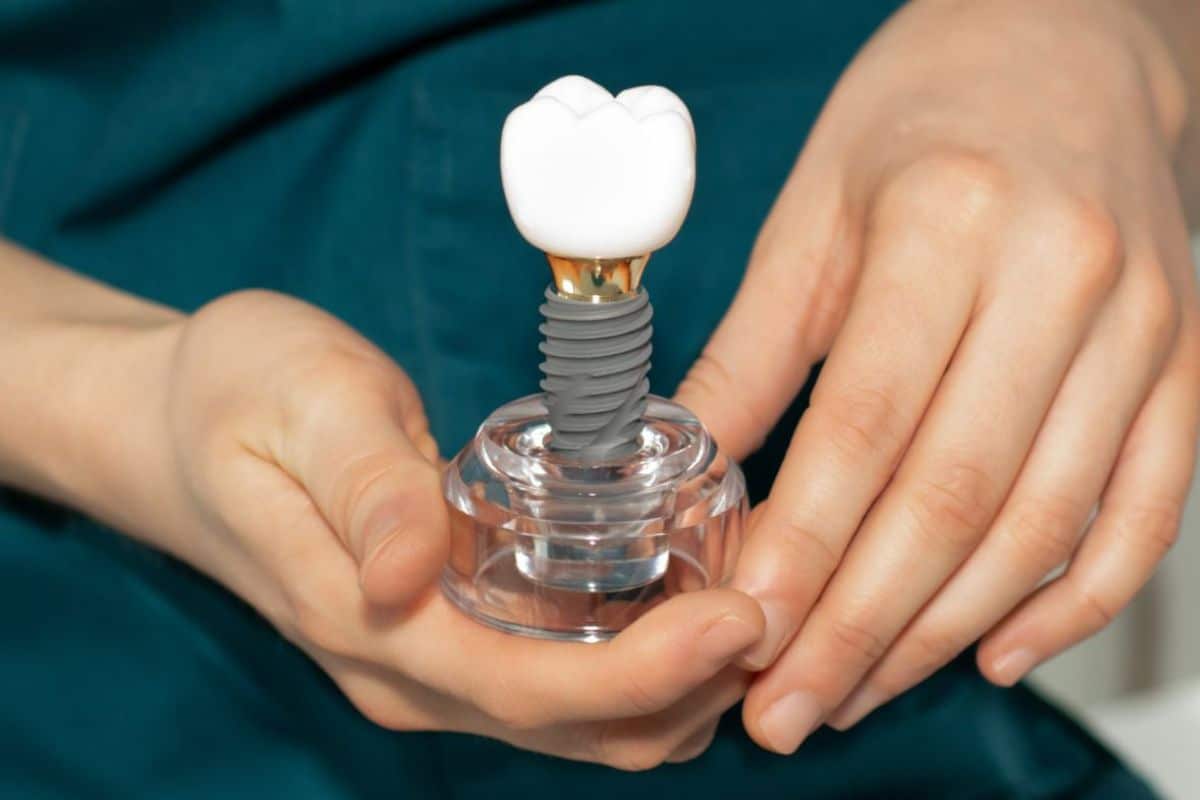
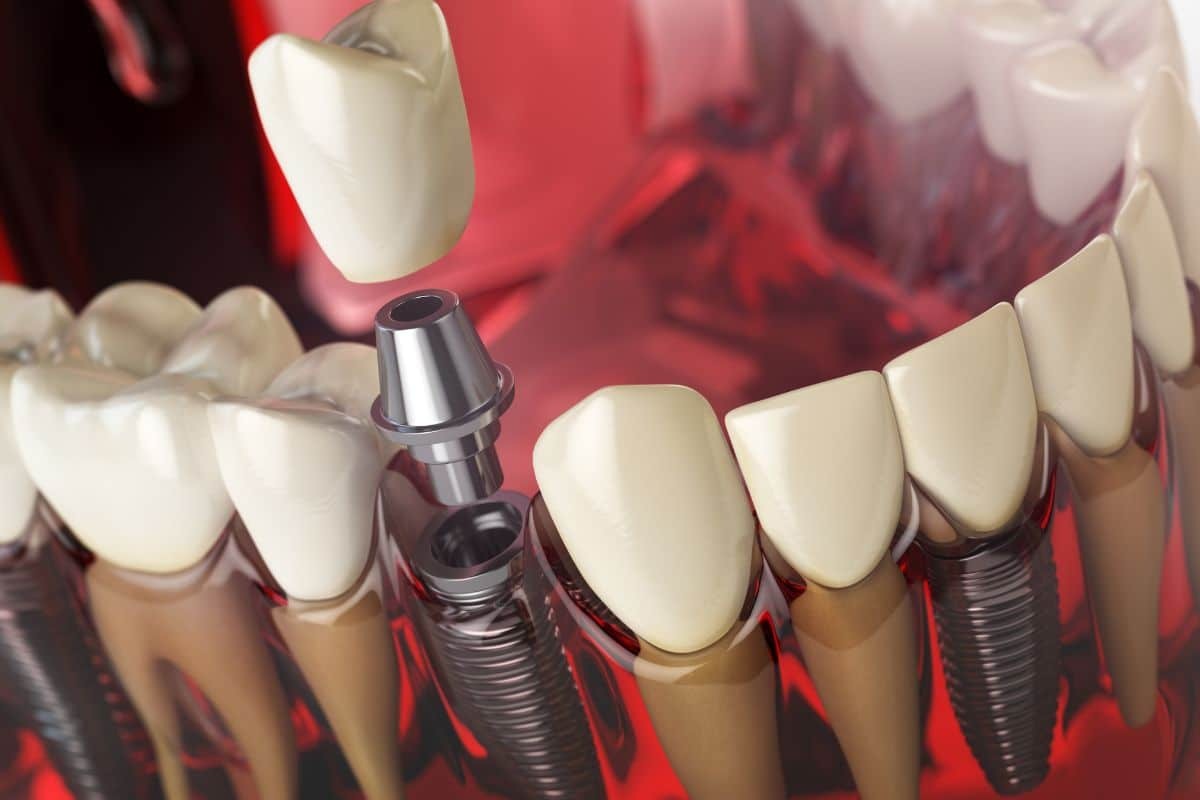
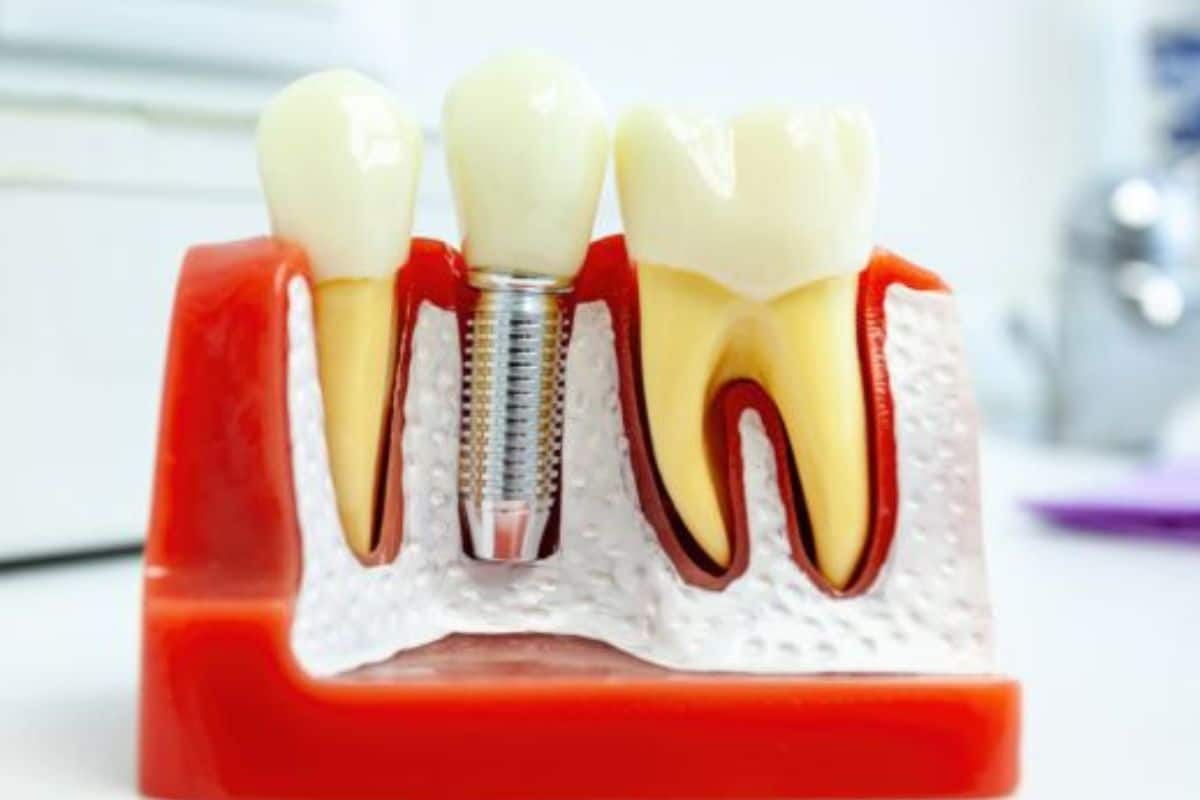
Dental implants are designed to replace missing teeth by placing a titanium post in the jawbone. However, excessive grinding can:
- Put excessive pressure on the implant, increasing the risk of failure
- Cause bone loss around the implant, it prevents proper fusion with the jawbone
- Lead to cracks in the crown, requiring repairs or replacements
Despite these risks, many patients with bruxism successfully receive dental implants with the right precautions.
Precautions for Getting Dental Implants with Bruxism
If you grind your teeth, your dentist will take extra steps to ensure implant success. These precautions include:
1. Evaluating Bone Density
A strong jawbone is essential for implants. Your dentist may recommend a bone graft if grinding has caused significant bone loss.
2. Using High-Quality Materials
Stronger materials, such as zirconia crowns, can withstand grinding better than traditional porcelain. Your dentist may suggest these for durability.
3. Wearing a Night Guard
A custom-fitted night guard can protect your dental implants from excessive pressure while you sleep. This helps prevent damage over time.
4. Addressing Bruxism First
If your grinding is severe, your dentist may suggest treating bruxism before placing dental implants. Stress management, muscle relaxants, or physical therapy can help reduce grinding.
Alternatives to Dental Implants for Bruxism Patients
If your dentist determines that dental implants may not be the best option, alternatives include:
- Dental bridges – A non-surgical option that replaces missing teeth without implant placement
- Partial dentures – Removable replacements that don’t put pressure on the jawbone
- Orthodontic treatment – Braces or aligners can help correct bite issues contributing to bruxism
Can Dental Implants Last with Bruxism?
Yes, dental implants can last even with bruxism, but they do need a little extra care to stay protected. Teeth grinding puts added pressure on implants, so managing the habit is important. Wearing a night guard, keeping up with regular dental visits, and following the post-procedure instructions your dentist gives you can make a big difference in long-term success.
Having bruxism doesn’t mean implants are off the table—it just means your dentist may take additional steps to support the implant and monitor healing closely. With the proper precautions and good daily habits, you can still enjoy strong, healthy implants for many years. If you’re unsure about how bruxism may affect your treatment, reaching out to a trusted dental professional can help you understand your options and protect your oral health.
Protect Your Smile with Arbor View Dental Group
If you grind your teeth and are considering dental implants, the proper guidance can make all the difference. The team at Arbor View Dental Group can help you manage bruxism and support long-lasting implant success. To take the next step toward a healthier smile, request an appointment today.