Request Appointment
How are Dental Implants Better than Bridges?

Losing a tooth can feel overwhelming. It affects the way you eat, speak, and even smile in front of others. When replacing a missing tooth, two common options are dental bridges and dental implants. Both are widely used in restorative dentistry treatment plans, but they work in very different ways. Understanding those differences can help you make a confident and informed decision about your oral health.
If you’re wondering which option lasts longer, protects your teeth better, or feels more natural, this guide will walk you through it in simple terms.
What Is a Dental Bridge?
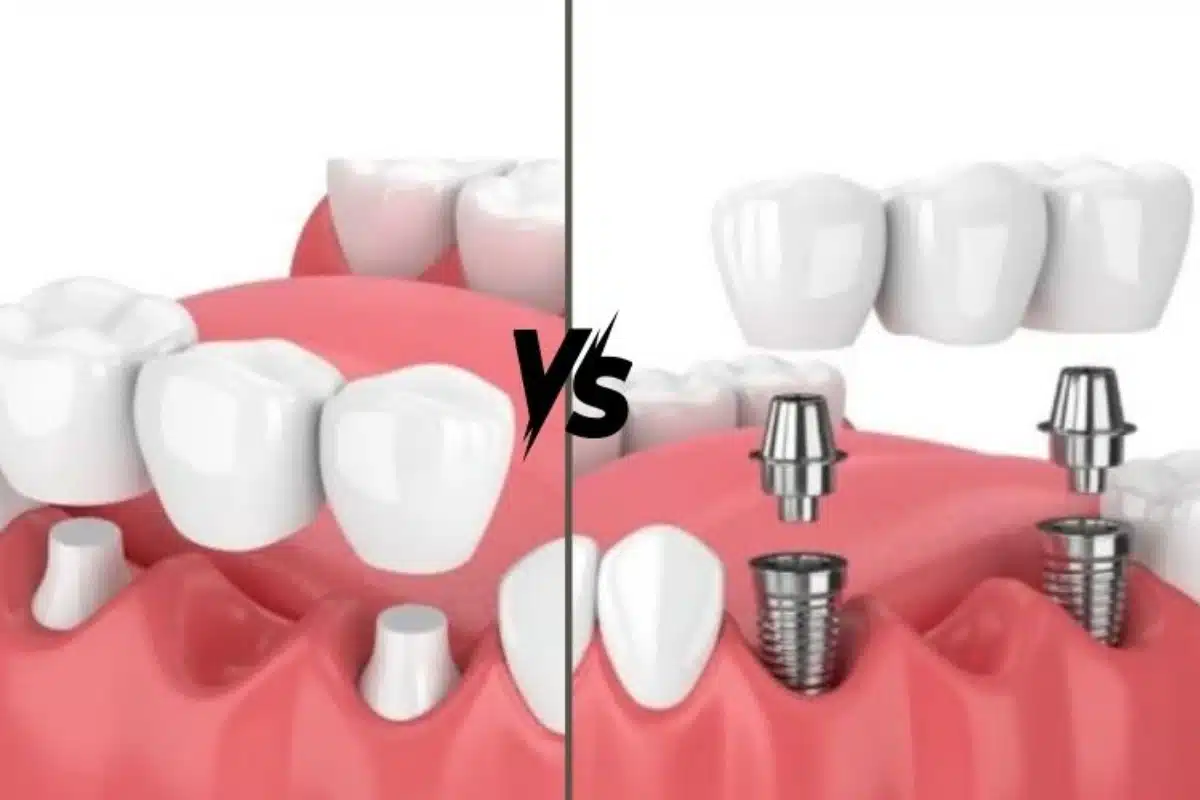
A dental bridge is designed to “bridge” the gap created by one or more missing teeth. It typically uses the teeth on either side of the gap for support. These neighboring teeth are reshaped so crowns can be placed over them, holding the artificial tooth in place.
Bridges have been used for many years and can restore your smile relatively quickly. They help improve chewing and appearance, and for some patients, they can be a practical solution. However, because they rely on nearby teeth for support, healthy teeth must be altered to make room for the bridge.
What Is a Dental Implant?
A dental implant replaces both the root and the visible portion of a missing tooth. A small post is placed into the jawbone, where it acts like a natural tooth root. Over time, it bonds with the bone. Once healed, a crown is attached on top.
Unlike bridges, implants stand independently. They do not rely on neighboring teeth for support. Because they integrate with the jawbone, they closely mimic the function and feel of a natural tooth.
Key Differences Between Dental Implants and Bridges
1. Impact on Nearby Teeth
One of the biggest differences is how each option affects surrounding teeth.
With a bridge, healthy adjacent teeth must be filed down to hold the crowns in place. This permanently changes those teeth.
With an implant, the replacement tooth stands on its own. There’s no need to alter nearby healthy teeth, which helps preserve your natural smile.
2. Bone Health Matters
When a tooth is lost, the jawbone in that area can begin to shrink over time because it no longer receives stimulation from a tooth root.
Dental implants help prevent this bone loss because they function like a natural root. They stimulate the jawbone and help maintain its structure.
Bridges, on the other hand, sit above the gum line and do not provide that same support to the bone underneath.
3. Durability and Longevity
Bridges typically last several years with proper care, but they may need to be replaced over time.
Dental implants are often considered a long-term solution. With good oral hygiene and regular dental visits, they can last for decades. When comparing options as part of a comprehensive restorative dentistry treatment plan for long-term tooth replacement, many patients appreciate the stability and durability that implants offer.
4. Comfort and Natural Feel
Because implants are anchored into the jawbone, they feel very stable when chewing and speaking. Many patients say they forget they even have one.
Bridges can also restore function, but since they rely on other teeth, some patients notice slight differences in pressure or support over time.
Which Option Is Right for You?
The right choice depends on several factors, including your bone health, the condition of surrounding teeth, your overall oral health, and your personal preferences.
If you have strong adjacent teeth and need a quicker solution, a bridge may be recommended. If you want a long-term replacement that protects surrounding teeth and supports bone health, a dental implant may be worth considering.
Every smile is unique. If you’re unsure which path makes sense for you, contact us to discuss your concerns and explore your options in detail.
Restore Your Smile with Confidence – Visit Arbor View Dental Group
Replacing a missing tooth is not just about appearance. It’s about protecting your bite, preserving your bone health, and maintaining long-term oral function. While bridges remain a reliable solution for many people, dental implants often provide added stability, protect nearby teeth, and support jaw health in ways that bridges cannot.
If you are looking for guidance from a trusted restorative dentist in Roseville who can help you understand which treatment fits your needs, our team is here to help. At Arbor View Dental Group in Roseville, CA, we focus on providing thoughtful, personalized care so you can feel confident about your decision.