Request Appointment
Why Bone Regeneration Matters for Long-Term Dental Implant Success?

When you choose dental implants to replace missing teeth, the strength of your jawbone plays a major role in the treatment’s success. Implants rely on healthy bone for support, stability, and long-term function. But when bone loss occurs due to gum disease, injury, or missing teeth, the jaw may not have enough structure to hold an implant securely.
In these situations, bone regeneration—often called bone grafting—helps rebuild the jawbone so it can properly support an implant. This guide explains why bone health matters, when bone grafting is needed, how the procedure works, and why it’s essential to achieving a lasting smile.
Why Is Bone Health Important for Dental Implants?
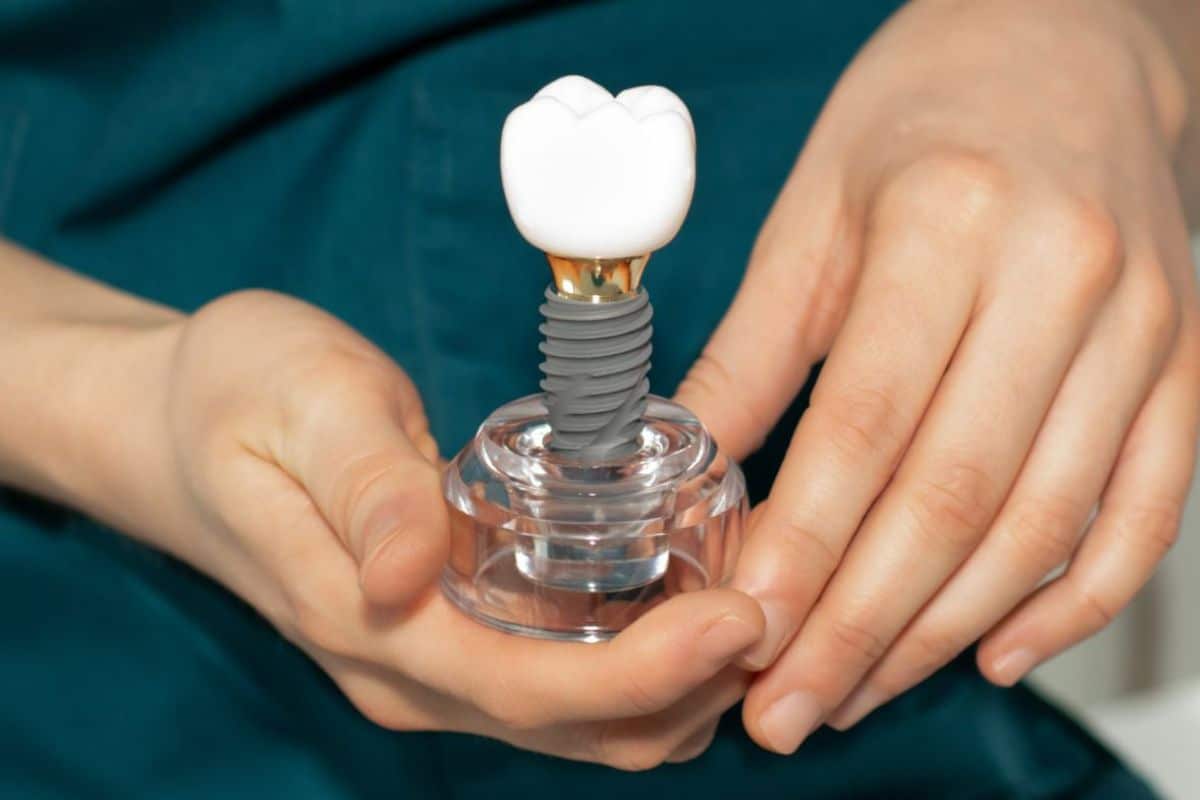
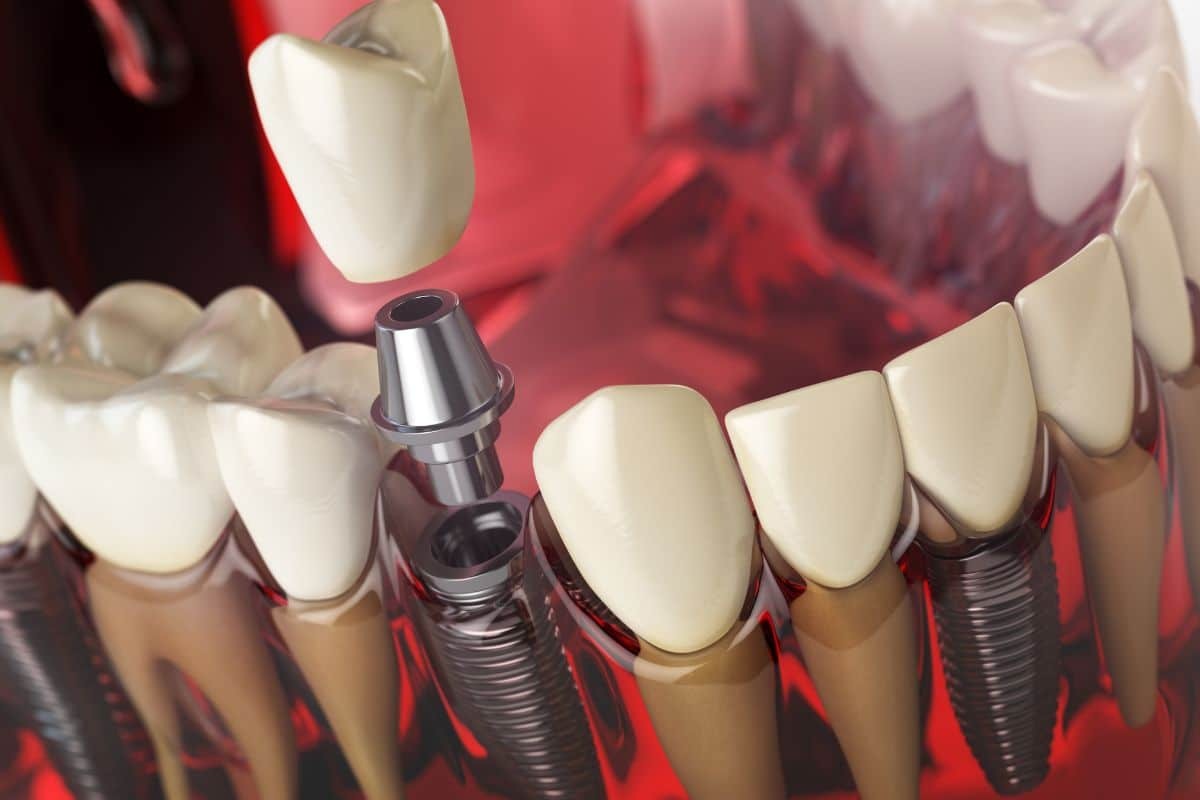
Dental implants act as artificial tooth roots that are placed directly into the jawbone. For them to remain stable, the surrounding bone needs to be dense and healthy. Without enough bone, the implant may not fuse correctly, increasing the risk of discomfort or failure.
Many people experience bone loss due to:
- Tooth loss that hasn’t been treated
- Advanced gum disease
- Injuries or infections affecting the jaw
Bone regeneration helps rebuild the structural support needed for the implant to integrate with the bone, creating a stable and long-lasting foundation.
When Is Bone Regeneration Necessary?
Not everyone who gets dental implants needs a bone graft. However, it becomes important when bone volume has decreased or weakened over time.
Here are the most common situations that experts recommend for bone grafting:
Bone Loss After Tooth Loss
When a tooth is missing, the jawbone in that area begins to shrink. Bone grafting restores this lost structure so the implant can be placed safely.
Periodontal (Gum) Disease
Gum disease can cause significant bone deterioration. Regeneration replaces the lost bone and prepares the area for implant placement.
Sinus Lift for the Upper Jaw
In the upper back jaw, bone height is naturally limited. A sinus lift adds bone beneath the sinus to create enough space for dental implants.
How Bone Grafting Supports Dental Implant Success?
The success of dental implants depends on osseointegration, which is the process by which the implant fuses with the jawbone. Bone grafting improves this process by creating the right amount of bone for the implant to anchor securely.
Key benefits of bone regeneration include:
- Enhanced stability: A stronger foundation supports long-term implant function.
- Reduced complications: Adequate bone lowers the risk of implant failure.
- Better appearance and function: Rebuilt bone helps maintain natural facial shape and supports a balanced bite.
What Affects the Success of Bone Regeneration?
Several factors influence the healing of bone grafts. These include:
- The type of graft material used (such as autograft, allograft, or synthetic material)
- Patient health conditions like diabetes, smoking, or osteoporosis
- The remaining bone’s quality and volume
- The surgical technique used
A thorough evaluation helps determine the most suitable approach for each patient.
What Happens During Jawbone Regeneration?
Bone regeneration is generally a straightforward procedure performed under local anesthesia. Here’s what the process typically involves:
Evaluation and Planning
X-rays or 3D scans measure bone loss and help identify the best grafting material.
Placement of the Bone Graft
A small incision is made in the gum to access the jawbone. The graft material is placed in areas where bone is deficient.
Healing Period
Over several months, your body gradually replaces the graft with natural bone, strengthening the area.
Implant Placement
Once the bone has healed and integrated, the dental implant can be placed. After a final healing period, the implant will function like a natural tooth.
Are There Alternatives to Bone Grafting?
Some patients with mild bone loss may qualify for options that require less bone than traditional implants. These include:
- Mini dental implants
- All-on-4 implant systems
While these alternatives work well in specific situations, they aren’t suitable for everyone. A dentist will evaluate whether these solutions match your bone structure and long-term goals.
Strengthen Your Smile Foundation – Visit Arbor View Dental Group
A strong jawbone is the foundation for successful dental implants, and bone regeneration is essential for long-term stability. If you’re considering implants or want to learn whether bone grafting is right for you, Arbor View Dental Group is here to help. To get started, you should request an appointment and take the next step toward a healthier, lasting smile.