Request Appointment
How to Treat Mouth Ulcers: When to See a Dentist?

Mouth ulcers can show up when you least expect them. One day, everything feels normal, and the next, eating, drinking, or even talking becomes uncomfortable. That small sore inside your cheek or on your tongue may not look like much, but it can cause a surprising amount of pain.
The good news? Most mouth ulcers heal on their own. However, understanding why they happen and when to seek professional help is important for protecting your overall oral health. If you ever feel unsure about persistent sores, seeking proper dental care can help you find answers and relief.
Let’s take a closer look at what mouth ulcers are, how you can treat them at home, and when it’s time to see a dentist.
What Are Mouth Ulcers?
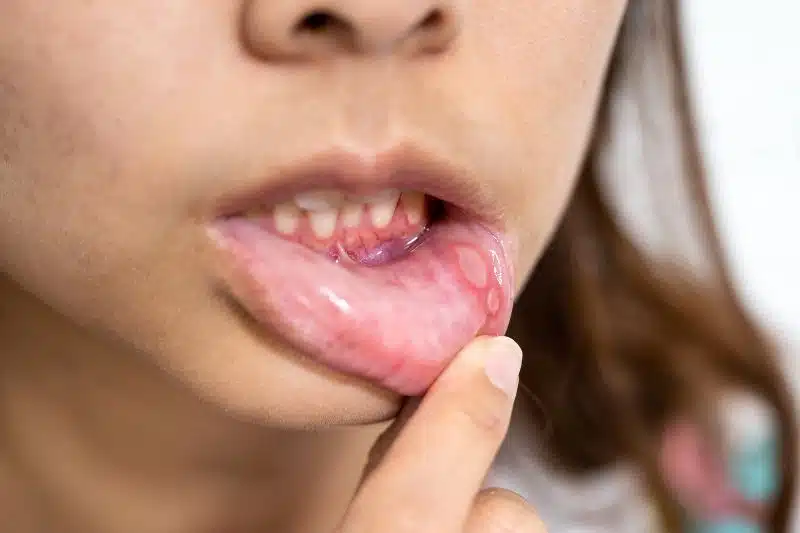
Mouth ulcers are small, round or oval sores that develop inside the mouth. They are usually white, yellow, or gray in the center with a red border. Unlike cold sores, they are not contagious and typically appear inside the cheeks, lips, under the tongue, or along the gums.
There are generally two common types:
- Minor ulcers: Small sores that heal within 1–2 weeks without scarring.
- Major ulcers: Larger and deeper sores that may take longer to heal and can be more painful.
While they’re common and often harmless, recurring or long-lasting ulcers should not be ignored.
What Causes Mouth Ulcers?
There isn’t always one clear cause, but several factors can trigger mouth ulcers:
- Accidentally biting your cheek or tongue
- Brushing too hard or using a rough toothbrush
- Stress and lack of sleep
- Hormonal changes
- Spicy or acidic foods
- Wearing braces or dentures that rub against soft tissue
- Vitamin deficiencies, especially B12 or iron
Sometimes, frequent ulcers may be linked to underlying health concerns. If they keep returning, it’s worth getting them evaluated.
Simple Home Remedies That Can Help
For most mild ulcers, home care can ease discomfort and speed up healing.
Here are a few simple steps:
- Rinse with warm saltwater to keep the area clean
- Use a baking soda rinse to reduce irritation
- Avoid spicy, salty, or acidic foods
- Switch to a soft-bristled toothbrush
- Apply over-the-counter protective gels
- Stay hydrated throughout the day
These small changes can make a big difference while your mouth heals naturally.
However, if the pain feels severe or the ulcer doesn’t seem to improve, it may be time to request an appointment for guidance and an evaluation.
When Should You See a Dentist?
While most mouth ulcers clear up within two weeks, certain signs mean you should schedule a visit:
- The ulcer lasts longer than 14 days
- It becomes unusually large or spreads
- You experience intense pain
- Eating and drinking become difficult
- You notice frequent recurrences
- You develop a fever or other unusual symptoms
Persistent sores should always be examined to rule out infections or other concerns.
How a Dentist Can Help?
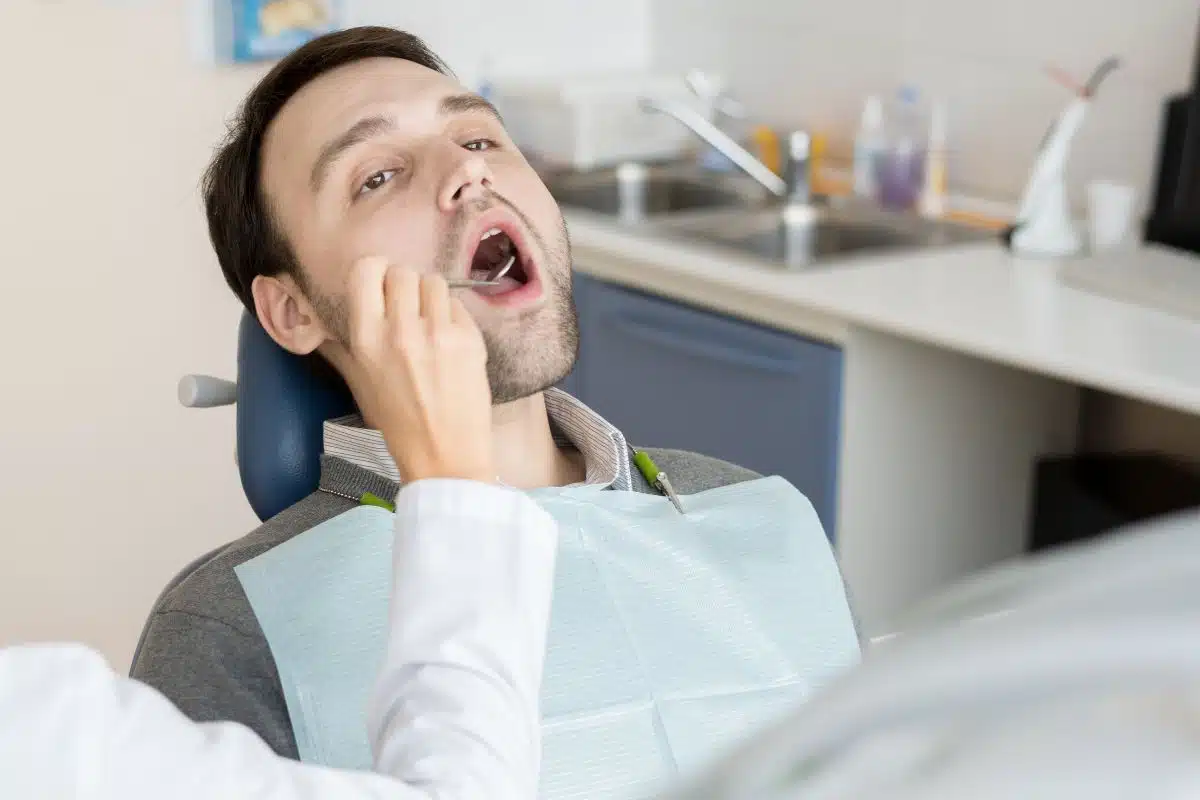
A dental professional will examine the ulcer and ask about your symptoms and medical history. In some cases, special rinses or medications may be recommended to reduce inflammation and discomfort.
If the ulcers are caused by sharp tooth edges, dental appliances, or bite issues, those problems can be corrected to prevent future irritation. Regular checkups also help identify early warning signs before they turn into ongoing discomfort.
Tips to Prevent Mouth Ulcers
Although not all ulcers can be prevented, these habits can lower your risk:
- Maintain consistent oral hygiene
- Use a soft toothbrush
- Eat a balanced diet rich in essential vitamins
- Manage stress when possible
- Visit your dentist regularly for routine checkups
Healthy habits support your mouth’s natural healing process and reduce irritation.
Find Relief From Mouth Ulcers With Arbor View Dental Group
Mouth ulcers may be small, but they can have a big impact on your daily comfort. Paying attention to how long they last and how often they appear is key to protecting your oral health. With the right guidance and timely care, most ulcers can be managed easily and effectively.
If you are experiencing recurring sores or discomfort and need support from a trusted dentist in Roseville, our team at Arbor View Dental Group is here to help. Don’t ignore persistent symptoms—early attention can make all the difference.