
Request Appointment
Is Salt Water Mouth Rinse Really Good for Your Teeth and Gums?

If you’ve ever searched for natural remedies for oral health, you’ve likely encountered the age-old recommendation to rinse with salt water. From your grandmother’s tried-and-true advice to modern wellness blogs, saltwater mouth rinses have remained a popular home remedy for centuries. However, does the science actually support this traditional practice, or is it simply folklore passed down through generations?
Whether you’re dealing with minor gum irritation, recovering from a dental procedure, or simply exploring alternative oral care options, it’s essential to understand what salt water can, and cannot, do for your dental health.
Nevertheless, read this blog to the end to find out whether saline water is really worth it for your oral health.
The Science Behind the Salt: How It Works
If you’ve ever searched for natural remedies for oral health, you’ve likely encountered the age-old recommendation to rinse with salt water. From your grandmother’s tried-and-true advice to modern wellness blogs, saltwater mouth rinses have remained a popular home remedy for centuries. However, does the science actually support this traditional practice, or is it simply folklore passed down through generations?
Whether you’re dealing with minor gum irritation, recovering from a dental procedure, or simply exploring alternative oral care options, it’s essential to understand what salt water can, and cannot, do for your dental health.
At Arbor View Dental Group, we believe that informed patients make the best decisions for their long-term wellness. Our dentist, Dr. Mohammed Al-Shammari, brings over a decade of international expertise to ensure your smile remains as vibrant as a spring morning at Mahany Park. Under his guidance, we provide evidence-based care that combines modern technology with practical home advice to help you achieve optimal oral health.
Nevertheless, read this blog till the end to find out whether saline water is really worth your oral health.
The Science Behind the Salt: How It Works
Salt water, or a saline solution, works primarily through a process called osmosis. When you rinse with salt water, the concentration of salt is higher outside the cells of the bacteria in your mouth than inside. This draws the water out of the bacterial cells, effectively dehydrating and killing them. This alkaline environment also makes it difficult for bacteria to thrive, as most oral pathogens prefer an acidic setting.
For those of us who enjoy the diverse culinary scene here, from the savory tri-tip sandwiches that are a local staple to the sugary treats, our mouths are constantly battling acidity. A saltwater rinse acts as a natural buffer, neutralizing these acids and protecting your enamel.
The Benefits of Salt Water Rinse for Oral Health
Here are some of the significant perks of a saline water rinse:
Helps with Healing After Dental Procedures
Salt water rinses are often recommended after dental procedures, especially extractions or gum surgery. After surgery, the mouth needs to heal, and salt water rinses help by keeping the area clean and reducing the risk of infection. The saline solution can also soothe the tissue, providing relief from swelling and discomfort.
Reduces Gum Inflammation
For those suffering from gingivitis or gum disease, salt water rinses can help reduce swelling and promote healing of irritated gum tissue. Salt has natural anti-inflammatory properties, which can ease redness, puffiness, and discomfort around the gums. If you’re experiencing signs of gum disease, adding a saltwater rinse to your regimen may be a simple and effective way to manage the issue.
Fights Bacteria and Reduces Plaque
Saline water has natural antibacterial properties. By swishing it around in your mouth, you can reduce the presence of harmful bacteria that might lead to plaque buildup, bad breath, and even tooth decay. Regular rinsing can act as an additional barrier against the bacteria that accumulate on the teeth and gums, especially after meals.
Soothes Mouth Sores and Irritations
Whether it’s canker sores, sore gums, or minor abrasions in the mouth, salt water rinses can provide relief. The salt helps to reduce irritation and can speed up the healing process. Many Roseville residents who enjoy outdoor activities or sports know how easy it is to accidentally bite the inside of the cheek, creating a painful sore. Saltwater rinses can be a great go-to for soothing this irritation.
Promotes Fresh Breath
Although salt water isn’t a permanent solution for bad breath, it can provide temporary relief by neutralizing odors and washing away food particles or bacteria that contribute to halitosis. If you’re looking for an easy and quick way to freshen your breath before a meeting or social event in Roseville, a saline water rinse might just do the trick.
Benefits for Your Gums and Teeth
One of the primary reasons we recommend saline rinses is for their anti-inflammatory properties. If you’ve recently had a minor “food injury” from a crunchy sourdough loaf or a sharp chip at a popular Mexican eatery near Royer Park, salt water can soothe the irritation. It increases blood flow to the area, which speeds up the body’s natural healing process.
However, it is important to remember that while salt water is a fantastic supplemental tool, it cannot replace professional dental care. While a rinse can clear away loose debris and calm inflamed tissues, it cannot remove hardened tartar or address deep-seated infections that require specialized intervention. Relying solely on home rinses without regular professional dental care visits can allow minor issues to escalate into more complex problems.
When Should You Use a Salt Water Rinse?
Wondering when this rinse is ideal for your oral health? Keep reading further:
- Post-Surgical Healing: If you’ve recently had an extraction or a deep cleaning, saline is often the safest way to keep the site clean without the harsh chemicals found in some commercial mouthwashes.
- Canker Sores: These annoying ulcers can make eating at your favorite Vernon Street cafe a painful chore. Salt water reduces the acidity in the area, providing relief and faster healing of the sore.
- Gingivitis Management: If your gums bleed slightly when you brush, this regimen can reduce the bacterial load that contributes to inflammation.
- Sore Throat Relief: Often, dental issues and throat irritation go hand in hand; salt water is the gold standard for soothing the back of the mouth and throat.
How to Use Salt Water Rinse
Using this rinse is easy. Here’s a simple guide on how to make it:
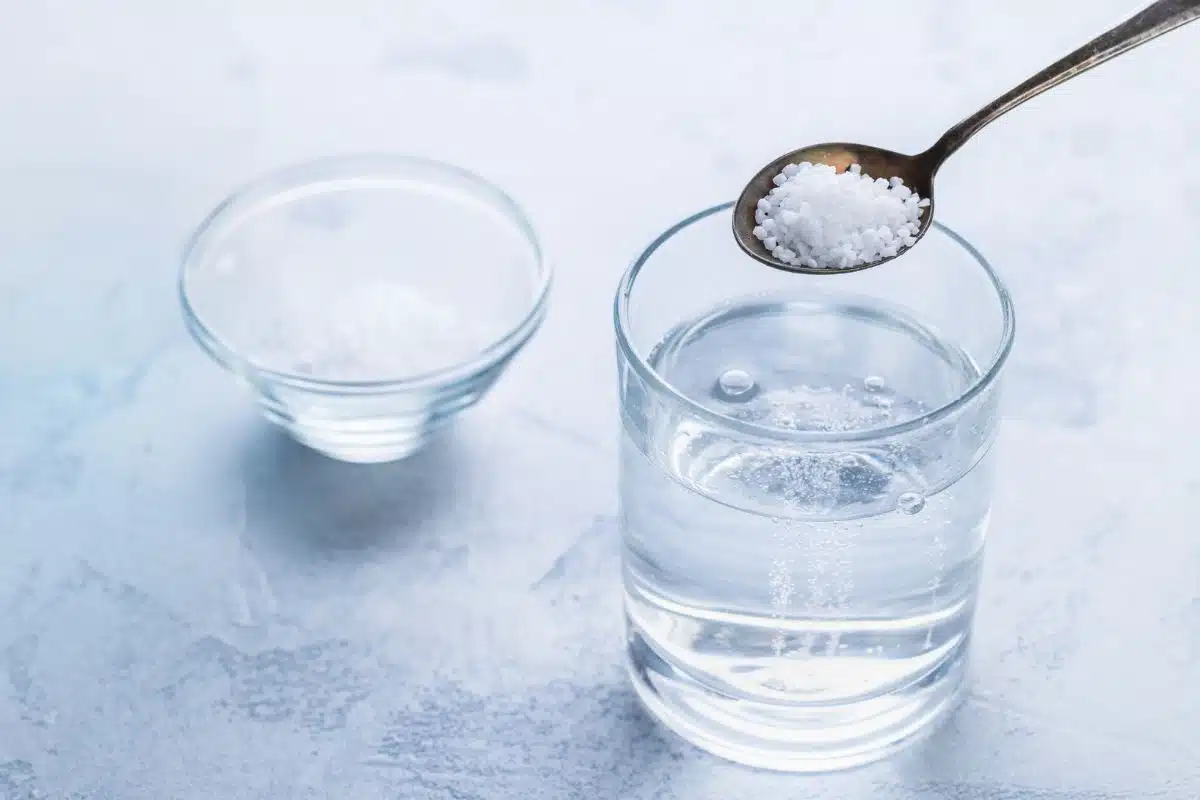
- Mix about ½ teaspoon of salt into a cup of warm water.
- Stir until the salt dissolves completely.
- Swish the mixture around in your mouth for about 30 seconds to 1 minute.
- Spit it out (do not swallow the solution).
- Repeat up to two or three times a day, especially after meals or dental procedures.
While saltwater rinsing is a great natural remedy, it shouldn’t replace regular brushing and flossing. It’s a complementary practice to your standard oral hygiene routine, not a substitute.
Integrating Tradition with Professional Care
While the simple salt water rinse remains a staple of home care. It is most effective when used as a supporting player in your oral health journey. This natural remedy offers a scientifically backed way to manage minor inflammation and promote healing after enjoying the local flavors. However, it is essential to remember that home solutions cannot address underlying structural issues or deep-seated bacteria. By combining these time-tested methods with regular check-ups, you ensure that your smile remains as resilient and vibrant as the community we call home. Don’t wait for discomfort to arise before seeking professional guidance. Contact us today to schedule your comprehensive exam and cleaning.
Frequently Asked Questions
Can salt water replace my daily flossing routine?
No, salt water cannot physically remove the plaque and food particles trapped between your teeth. Only flossing provides the mechanical action necessary to clear those tight spaces and prevent cavities.
How often should I use a saltwater rinse?
For general health, two to three times a week is sufficient for most people. If you are healing from a procedure, your dentist may recommend rinsing three times daily for one week.
Does salt water help with a toothache?
It can provide temporary relief by reducing inflammation and drawing out fluids from an infected area. However, it will not cure the underlying cause of the pain, such as a cavity.
Can I use any type of salt for the rinse?
Table salt is the most common and works perfectly fine because it dissolves quickly in warm water. Sea salt is also an option, provided it is ground finely enough to dissolve completely.
Is salt water safe for children to use?
It is safe as long as the child is old enough to spit the solution out reliably. If they are prone to swallowing what they swish, it is best to avoid saline rinses.
Will rinsing with salt water whiten my teeth?
Salt water does not have bleaching properties and will not change the color of your enamel. Its primary function is health-related, focusing on bacteria reduction and gum soothing rather than aesthetics.
Can I use salt water if I have high blood pressure?
Since you are spitting the rinse out, very little salt is absorbed into the bloodstream. However, if you accidentally swallow it frequently, you should consult your physician about your sodium intake.