Request Appointment
Accelerating Recovery: Tips for Faster Gum Healing Around Your Implant

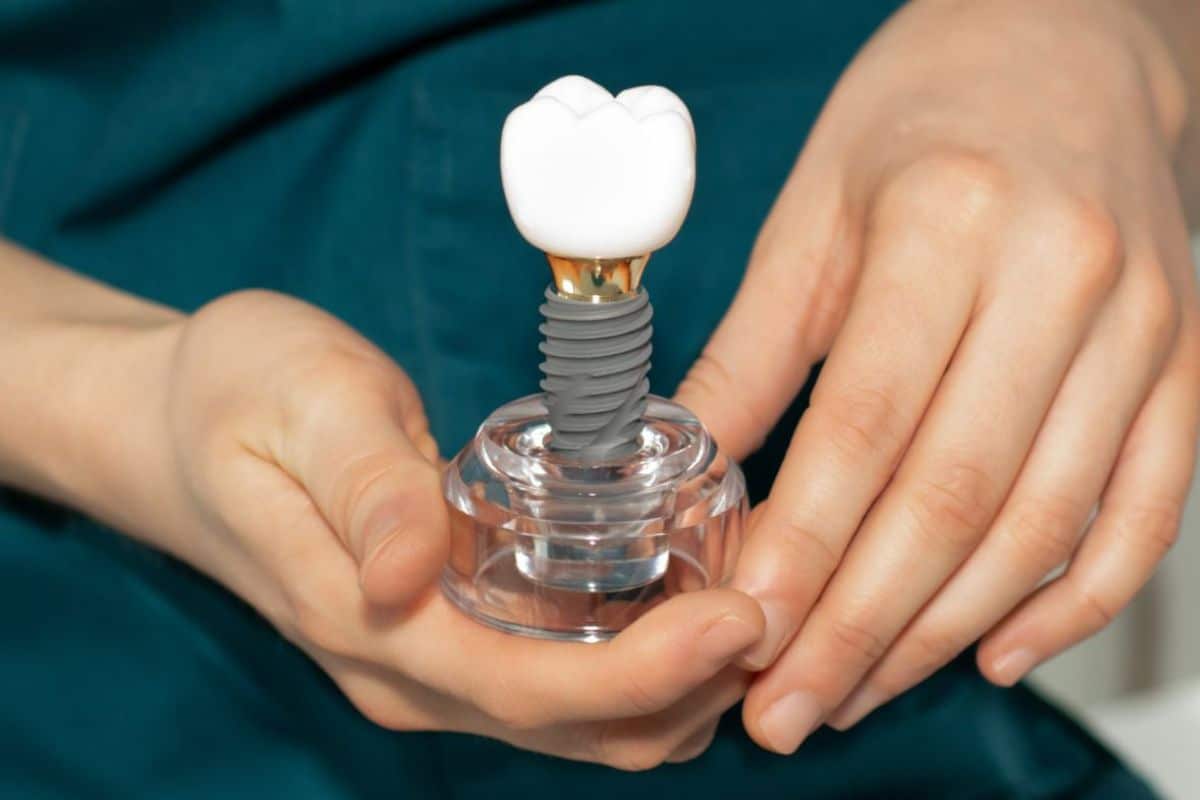
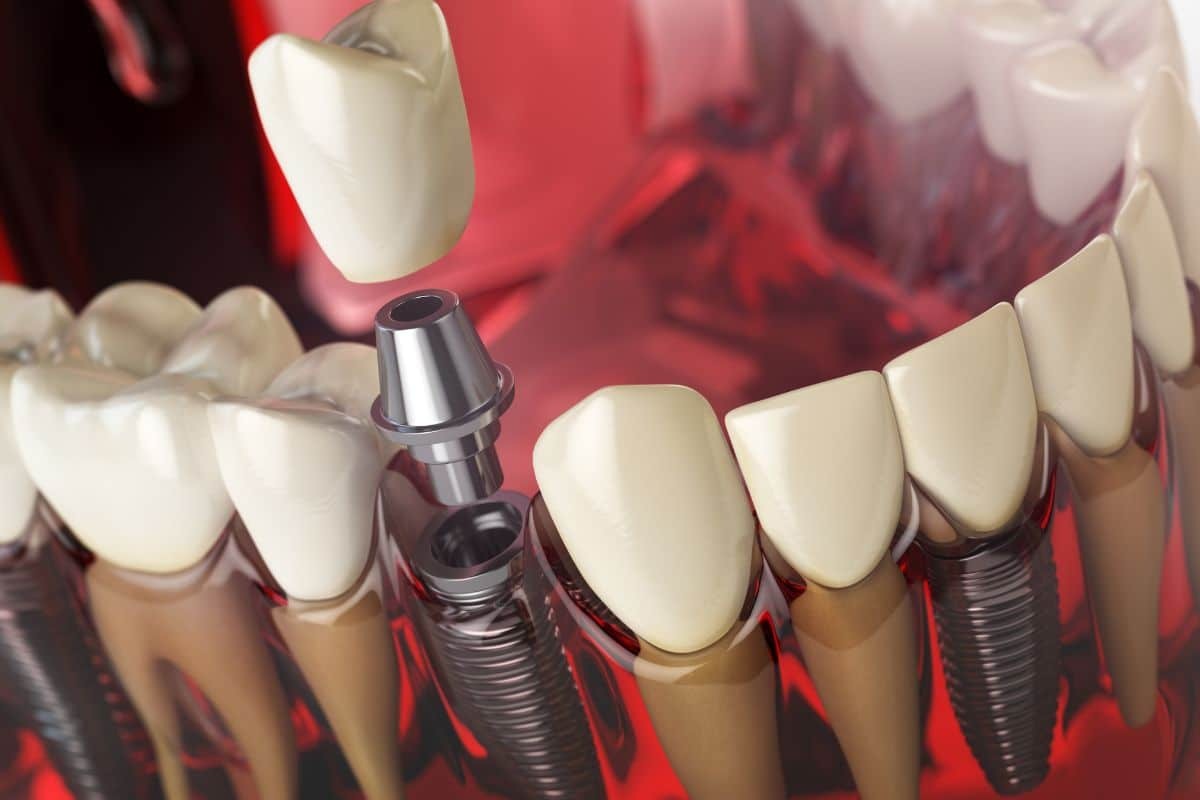
Dental implants are often considered the gold standard for replacing missing teeth, offering a permanent solution that looks, feels, and functions like natural teeth. However, for many patients, one of the most important phases of the process is the healing period. The good news is that there are steps you can take to accelerate gum healing around your implant, ensuring that your recovery is as smooth and efficient as possible.
At Arbor View Dental Group, we believe that expert clinical care must be paired with clear, actionable guidance. Our dentist leverages his extensive background in modern dentistry to provide patients with a recovery blueprint that is both gentle and effective. Having served diverse communities and mastered the latest restorative technologies, he ensures that every patient feels confident in their healing process.
The Biological Timeline of Gum Healing
The moment an dental implant is placed, your body initiates a complex sequence of repair. In the first few days, the focus is on “hemostasis” and protecting the surgical site from oral bacteria. This is followed by the growth of new soft tissue, which creates a tight seal around the implant post.
According to 2026 projections from the National Institutes of Health (NIH) and recent dental market reports, nearly 23% of U.S. adults with missing teeth are expected to have at least one dental implant this year. This surge in adoption is fueled by a staggering success rate, often exceeding 95%, when patients adhere to strict post-operative protocols. In our experience, the most successful recoveries happen when patients treat their gum tissue with the same respect they would any other major surgical site.
Dentist-Approved Hacks for Rapid Gum Repair
Gum healing isn’t just about waiting for time to pass; it’s about creating the right conditions for your body to repair itself. Here’s how you can contribute to this healing process:
Embrace Your Aftercare Routine Like a Pro
The key to accelerating gum healing is following the aftercare instructions. While this may sound straightforward, it’s often overlooked. The meticulous care you put into your oral hygiene post-surgery can make all the difference in ensuring your gum tissue heals properly and your implant integrates successfully.
You’ll be advised to rinse with a saltwater solution, avoid certain foods that can irritate the area, and refrain from touching the surgical site for a few days. While it’s tempting to return to your normal habits right away, taking the time to care for your healing gums ensures the implant’s long-term success. Remember, a little care goes a long way.
Dietary Choices Matter: Soft and Nutrient-Rich is Key
Your diet plays a huge role in your gum healing. Post-surgery, you should stick to soft foods, such as mashed potatoes, soups, and smoothies, while avoiding crunchy, sticky, or tough foods. These can place unnecessary pressure on your implant or irritate your gums.
The foods you choose also directly impact the speed of healing. Foods rich in vitamins, especially vitamin C, help tissue repair and boost your immune system. Try incorporating spinach, citrus fruits, and bell peppers into your diet to promote healing from within. A diet that focuses on hydration and nutrient-rich foods will aid the natural recovery process, getting you back on your feet faster.
Clean, But Gently, Your Teeth and Gums Deserve It
It’s essential to keep the surgical site clean to prevent infections, but this must be done with caution. You will be guided on when it’s safe to resume brushing near the implant. Usually, this starts after a few days, but initially, you should rinse with salt water to avoid direct contact with the implant.
Once your gums begin to heal, a soft-bristled toothbrush is your best friend. Using it gently will help maintain oral hygiene without aggravating the implant site. The goal is to remove bacteria and food particles while promoting gum health.
Say No to Smoking and Excessive Drinking
Smoking is one of the most significant risk factors when it comes to implant failure. It reduces blood flow to the gums, hinders healing, and increases the risk of infection. If you’ve recently had an implanted tooth, now’s the time to kick the habit for good, not just for your gum health but for your overall well-being.
Similarly, alcohol can impede the healing process. It dehydrates your body and can affect your immune system’s ability to fight off potential infections. By avoiding smoking and limiting alcohol intake, you give your gums the best possible chance to heal rapidly and successfully.
Manage Pain and Swelling Like a Pro
While some pain and swelling are expected after implant surgery, managing them effectively can make your recovery more comfortable and efficient. Applying an ice pack to your face for the first 24-48 hours can significantly reduce swelling. Moreover, over-the-counter pain relievers like ibuprofen can help manage discomfort and reduce inflammation.
Professionals also prescribe specific medications for pain management. Following these instructions closely will ensure that your recovery process is as smooth as possible, without unnecessary setbacks.
Physical Activity? Take It Easy for Now
Though it may be tempting to jump back into your regular routine, it’s best to avoid strenuous physical activities for a few weeks after your implant procedure. Heavy exercise can increase blood flow to the gums, leading to excessive swelling or even bleeding. Give your body time to heal before engaging in high-intensity workouts or activities.
Taking it easy initially will help your gums heal without any added stress, ensuring the best possible outcome for your implant.
Bone Grafting: A Helpful Tool for Faster Healing
For some patients, the jawbone may not be thick enough to support a dental implant initially. If this is the case, bone grafting may be recommended before implant placement. Bone grafts stimulate new bone growth, ensuring that your implant has the support it needs for successful healing.
If bone grafting is part of your treatment plan, know that it can actually speed up your recovery by providing a stronger foundation for your implant. This proactive measure reduces the risk of implant failure and supports faster gum and bone healing.
For seamless replacement of missing teeth, these hacks integrate perfectly with everyday life here.
The Importance of Professional Monitoring
While home care is essential, it doesn’t replace professional oversight. We use advanced diagnostic tools to monitor how your gum tissue is adhering to the implant post. This proactive approach allows us to catch minor issues before they become painful setbacks. Your recovery is a partnership between your daily habits and our clinical expertise.
A Simplified Path to a Seamless Recovery
Healing after a dental implant is a collaborative effort between your body’s natural resilience and your commitment to proper aftercare. While daily life can be busy and distracting, your focus during this time should be on patience and consistency. By following these strategies, you can help protect your investment in tooth replacement and support long-term success.
At our dental practice, our team is dedicated to providing high-quality, advanced care you can trust. Contact us today to schedule your consultation and take the next step toward a healthier, more confident smile!
Frequently Asked Questions
How long should I wait before eating solid food?
You should stick to a very soft diet for the first 3 to 5 days. Gradually reintroduce firmer foods only as your comfort levels improve, and your dentist provides the green light.
Is swelling normal three days after the procedure?
Yes, swelling usually peaks around the second or third day before it begins to subside. Using a cold compress intermittently for the first 24 hours can help manage this effectively.
What happens if I accidentally brush the implant site?
Don’t panic, but stop immediately. Rinse gently with warm water or a prescribed antimicrobial wash. If you notice significant bleeding or a loose stitch, give our office a call.
Can I drink coffee or tea during recovery?
You can, but it should be lukewarm, not hot. High temperatures can increase blood flow to the area and cause throbbing or renewed bleeding in the early stages.
How do I know if my gums are infected?
Watch for signs like a persistent bad taste, pus around the site, or a fever. While rare, these symptoms require immediate professional attention to save the implant.
Are “dissolvable” stitches better for healing?
Often, yes, as they eliminate the need for a removal appointment and reduce trauma to the healing tissue. They typically disappear on their own within 7 to 10 days.
When can I return to work after an implant?
Most patients feel ready to return to work within 24 to 48 hours. However, if your job involves heavy physical labor, you may want to take an extra day of rest.