Request Appointment
Is Lemon Effective For Teeth Whitening And Oral Health?


You have probably seen it somewhere online, a post or video showing someone rubbing a lemon peel across their teeth or mixing lemon juice with baking soda for a “natural” whitening paste. It looks simple, it sounds natural, and the idea of brightening your smile with something already sitting in your kitchen is hard to resist.
But here is the question worth asking before you try it: Does it actually work, and more importantly, is it safe?
If you are looking for ways to get a whiter smile, a professional teeth-whitening treatment is by far the most reliable and tooth-safe option available. That said, we understand why people explore DIY routes first, and that is exactly why we want to give you the full picture of what lemon actually does in your mouth.
What Happens When Lemon Touches Your Teeth?
Lemon juice is highly acidic. It sits at a pH of around 2 to 3, which puts it in the same neighborhood as stomach acid. For comparison, your enamel, the hard outer layer of your teeth, starts to dissolve at a pH below 5.5.
So when lemon juice contacts your teeth, the acid immediately begins working on your enamel. It does not matter whether you are rubbing a fresh slice on your teeth, swishing diluted lemon water, or applying a lemon-based paste. The acidic exposure starts breaking down enamel on contact.
Your saliva does a decent job neutralizing acids over time, but repeated or prolonged exposure tips the balance. The more often you introduce something that acidic to your teeth, the harder it becomes for your mouth to recover between exposures.
The Whitening Myth: Why Lemon Doesn’t Really Work?
Here is the part that surprises most people. Any “brightening” effect you notice from lemon is not actually whitening; it is acid etching.
When acid softens and slightly erodes the surface of your enamel, the tooth temporarily looks a little lighter. But that is not the same as removing deep stains or changing the actual color of your teeth. The effect is superficial, short-lived, and comes at the cost of weakening the very layer that protects your teeth.
True teeth whitening works differently. Whether done in a dental office or with a dentist-approved at-home kit, proper whitening uses peroxide-based agents that penetrate the enamel and break apart the stain molecules sitting within the tooth structure. Lemon juice cannot do that; it just strips away enamel and gives the illusion of brightness while quietly causing damage.
The Real Damage Lemon Can Do Over Time
The concern with using lemon on your teeth is not a one-time risk. It is what happens with repeated use.
Enamel erosion is permanent. Unlike skin, enamel does not regenerate. Once it wears away, it is gone for good. As enamel thins, the layer beneath it, called dentin, begins to show through. Dentin is naturally yellowish, which means over time, the very remedy you used to whiten your teeth can actually make them look more yellow.
Along with the cosmetic change, you will likely start noticing increased sensitivity. Hot coffee, cold water, and sweet foods can start triggering sharp, uncomfortable sensations. Thinned enamel also leaves your teeth more vulnerable to cavities, since the protective barrier is weaker.
None of this develops overnight, which is part of what makes it tricky. The damage builds gradually, and by the time most people notice something is wrong, the enamel loss is already done.
Other DIY Remedies That Sound Safe But Are Not
Lemon is not the only home remedy that gets passed around as a whitening trick. A few others deserve a mention.
- Lemon juice and baking soda paste – This combination is particularly popular online. Baking soda is mildly abrasive, and when it is mixed with an acid like lemon juice, people assume the two balance each other out. They do not. The acid is still active, the abrasion adds another layer of enamel wear, and the two together can accelerate erosion faster than either alone.
- Apple cider vinegar – Same issue as lemon. It is acidic and can wear down enamel with regular use, despite its reputation as a health product.
- Activated charcoal – Very abrasive, and there is no solid evidence that it whitens teeth effectively. It can scratch enamel and make teeth more susceptible to staining over time.
The common thread here is that none of these are designed or tested for dental use. They are kitchen or wellness products that get repurposed, often without an understanding of what tooth enamel actually needs to stay healthy.
Ready for a Smile That’s Actually Brighter?
If you are tired of trying remedies that do not deliver or you are worried about the health of your enamel, we are here to help. At Arbor View Dental Group, our team can walk you through safe, effective whitening options that are right for your teeth.
Contact us today to schedule a consultation and find out what is possible for your smile.
What Actually Works for Whiter Teeth?
If you want a noticeably whiter smile without putting your teeth at risk, here are the options that actually hold up.
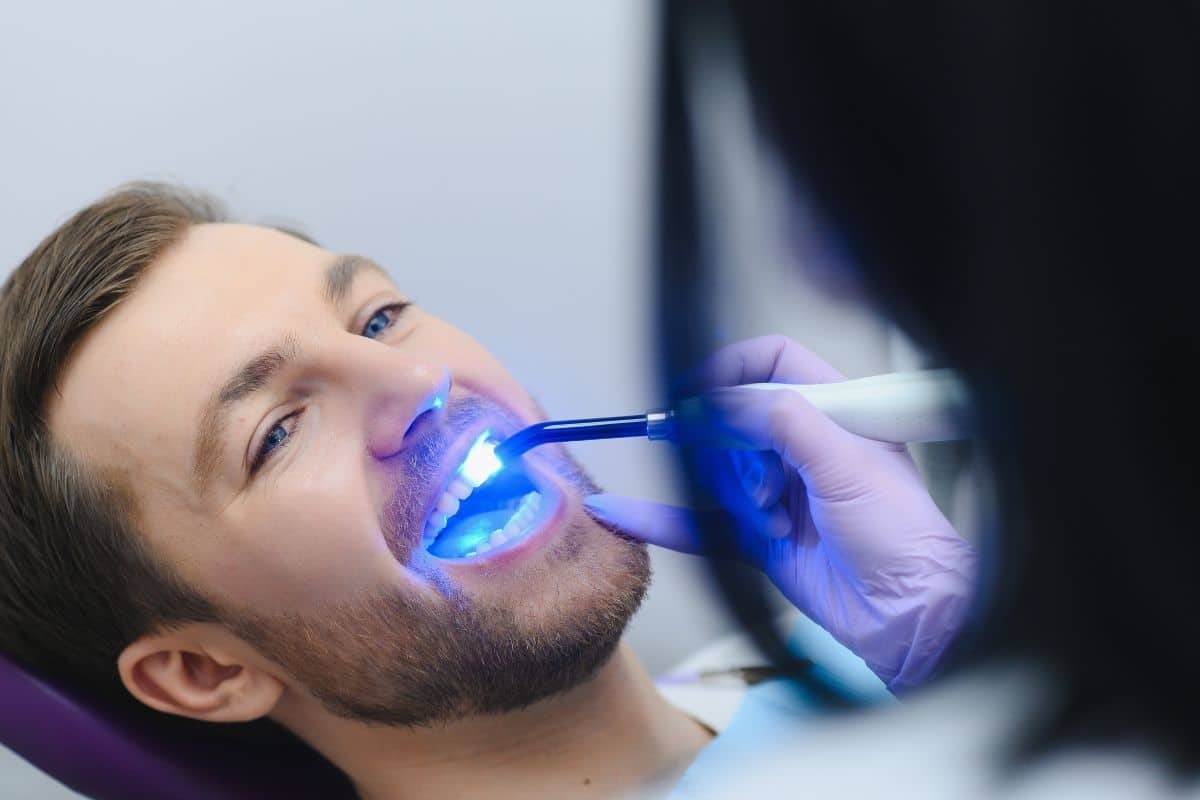
- In-office whitening uses a carefully controlled concentration of whitening agent, often with a light or laser to activate it. Results are immediate and significant; most patients see several shades of improvement in a single appointment. Your enamel is protected throughout the process.
- Take-home whitening kits from your dentist use custom-fitted trays and a lower concentration of whitening gel than the in-office version. Results take a bit longer, but they are safe, consistent, and supervised by a dental professional.
- Whitening toothpastes sit at the gentler end of the spectrum. These can help manage surface stains with regular use, but they do not change the intrinsic color of your teeth the way peroxide-based treatments do. Useful for maintenance, not transformation.
- Regular professional cleanings are perhaps underrated when it comes to appearance. A lot of what we see as dull or yellowed teeth is actually surface buildup, plaque, and tartar that have absorbed stains from coffee, tea, wine, and food. Professional cleaning removes that buildup and often makes teeth look noticeably brighter right away, without any whitening agent.
How to Keep Your Smile Naturally Bright?
Alongside professional care, some everyday habits go a long way toward keeping your smile looking its best.
Drink water throughout the day, especially after meals and beverages like coffee or red wine. Water helps rinse away staining compounds before they have time to settle into your teeth.
Eat crunchy fruits and vegetables like apples, celery, and carrots. The natural texture of these foods helps scrub away light surface deposits while you chew.
If you drink coffee, tea, or soda regularly, consider using a straw. It keeps more of the staining liquid away from the front surfaces of your teeth.
And above all, keep up with your regular dental visits. Cleanings and checkups are not just about catching problems; they are the single most consistent thing you can do to keep a smile healthy and bright over the long term.
Keeping Your Smile Bright and Healthy – With Us!
Lemon might seem like a harmless, natural fix, but the reality is that its acidity can quietly wear away the very foundation of a healthy smile. What looks like a brightening effect is actually enamel erosion, and that is damage you cannot undo.
The good news is that you do not have to put your teeth at risk to get the results you want. Whether you are interested in a quick in-office session or a take-home option that fits your schedule, teeth whitening has never been more accessible or more tailored to your individual smile’s needs.At our dental practice, we are committed to helping every patient in Roseville, CA, feel confident and comfortable with their smile through treatments that are safe, evidence-based, and tailored to their specific goals. Our team takes the time to understand what you are looking for and guide you toward options that genuinely work.
Frequently Asked Questions
If I stop using lemon on my teeth, will my enamel grow back?
Unfortunately, no. Tooth enamel does not regenerate once it has been worn away. The body has no mechanism to rebuild itself. However, stopping the habit does prevent further erosion, and your dentist can discuss options like fluoride treatments or dental bonding to help protect and restore the appearance of affected teeth.
Can I still eat lemons or drink lemon water without damaging my teeth?
Yes, consuming lemons or lemon water as part of your normal diet is very different from applying them directly to your teeth. The key is not to hold acidic drinks in your mouth, to rinse with plain water after consuming them, and to wait about 30 minutes before brushing so you are not scrubbing softened enamel.
How do I know if my enamel has already been damaged?
Common signs of enamel erosion include increased tooth sensitivity to hot, cold, or sweet foods, teeth that look more translucent at the edges, a slightly yellowish shift in tooth color, and teeth that feel unusually smooth. If you are noticing any of these, it is worth bringing up at your next dental visit so your dentist can take a closer look.
Are whitening strips from the drugstore safe to use?
Over-the-counter whitening strips can be safe when used as directed, but results are typically more modest than professional treatments. They work best for mild surface staining. If you have sensitive teeth, gum concerns, or existing dental work like crowns or veneers, check with your dentist before using them; they may not be the right fit for your situation.
How long do the results from professional teeth whitening last?
This varies depending on your diet and habits, but most patients find that professional whitening results last anywhere from one to three years with good maintenance. Avoiding heavy-staining foods and beverages, brushing twice daily, and keeping up with regular cleanings all help extend the results. Touch-up treatments are also available if you want to maintain a consistent level of brightness over time.