Request Appointment
Can a Tooth Fall Out After a Root Canal? What You Need to Know

You finally got through your root canal. The discomfort is gone, the tooth feels better, and you thought the hard part was over. Then, one day, something feels off, maybe the tooth is loose, looks darker, or just doesn’t feel right anymore. Now you’re wondering: can a tooth actually fall out after a root canal?
The short answer is yes, it can, but it’s not supposed to. At Arbor View Dental Group, we hear this concern fairly often, and we want to give you a clear, honest answer. Understanding why a tooth may become unstable after root canal treatment, and what you can do about it, can help you protect your smile for years to come.
First, What Does a Root Canal Actually Do to a Tooth?
Before we get into what can go wrong, it helps to understand what a root canal does and what it doesn’t do.
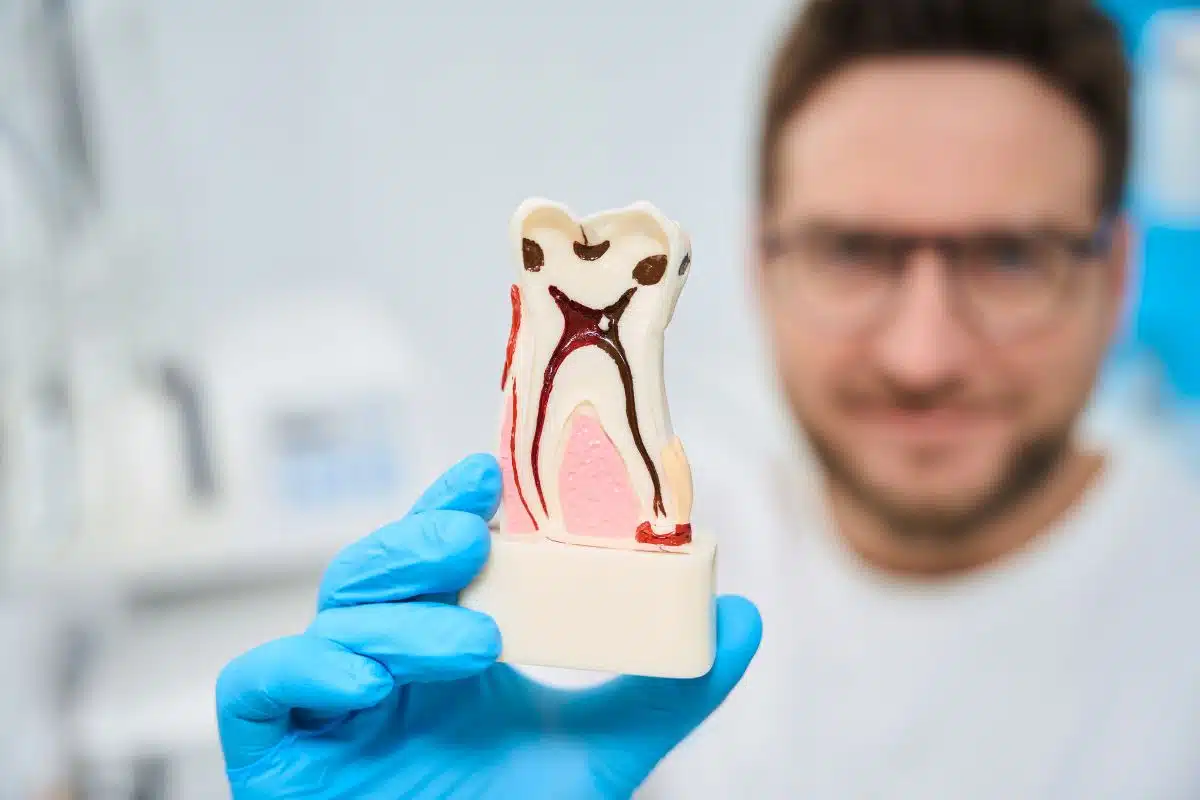
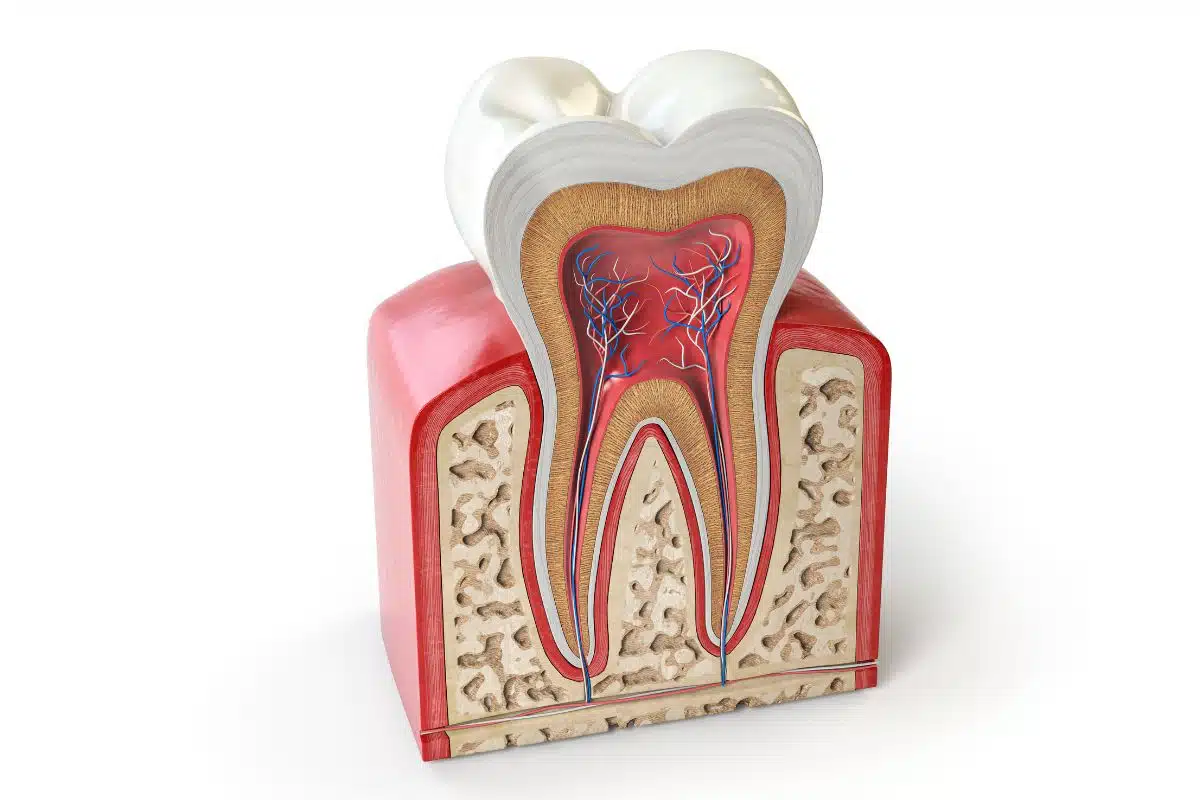
When a tooth becomes deeply infected or inflamed, root canal treatment removes the pulp (the soft tissue inside the tooth that contains nerves and blood vessels). The empty canals are then cleaned, shaped, and sealed. The goal is to save the tooth, eliminate infection, and stop pain.
Here’s the key thing to understand: once the pulp is removed, the tooth is no longer alive in the same way. It no longer receives nutrients or moisture from its own blood supply. Over time, this makes the tooth more brittle compared to a healthy, living tooth.
That doesn’t mean the tooth is doomed, far from it. But it does mean the tooth needs proper protection to stay strong.
So, Can a Root Canal Tooth Really Fall Out?
Yes, it can. But this is almost always preventable. A tooth that has had root canal therapy doesn’t automatically become weak or prone to falling out. What matters is what happens after the procedure.
Here are the main reasons a treated tooth can become loose or fall out:
1. No Crown Was Placed
This is one of the most common reasons a root canal tooth fails. After the procedure, the tooth structure is hollowed out and becomes far more vulnerable to cracking under everyday biting and chewing pressure. A dental crown acts like a protective cap over the whole tooth, holding it together and preventing fractures.
If you skip the crown or delay getting one for too long, the tooth can crack or break down to the gum line. Once that happens, there may not be enough tooth structure left to save.
2. A Crack or Fracture in the Root
Sometimes a root can crack, either during the procedure or over time due to biting forces. A cracked root is serious, as it creates a pathway for bacteria to re-enter the tooth. Depending on the severity, a fractured root may mean the tooth cannot be saved.
3. Reinfection
Root canal treatment is highly effective, but in rare cases, bacteria can survive inside the canals or re-enter the tooth through a damaged seal or new decay. When infection returns, it attacks the surrounding tissue and bone, which can eventually cause the tooth to loosen and fail.
4. Bone Loss Around the Tooth
Prolonged infection, gum disease, or untreated dental problems can lead to loss of the jawbone that supports the tooth. Without adequate bone support, even a well-treated root canal tooth can become loose and eventually fall out.
5. Gum Disease
Periodontal (gum) disease is one of the leading causes of tooth loss overall. A root canal doesn’t protect a tooth from gum disease. If gum disease progresses around a treated tooth, it can destroy the surrounding tissue and bone, making the tooth unstable.
6. Delayed or Incomplete Restoration
After a root canal, the tooth needs a temporary filling and then a permanent restoration, usually a crown, placed in a timely manner. Waiting too long can allow the tooth to crack, the temporary filling to leak, or bacteria to sneak back in.
Have concerns about a root canal tooth? Contact Us today — our team is here to help.
Warning Signs Your Root Canal Tooth May Be in Trouble
Don’t wait until a tooth falls out to take action. These are the signs that something may be going wrong with a previously treated tooth:
- Persistent or returning pain around the tooth
- Swelling in the gum or jaw near the treated tooth
- The tooth feels loose or shifts when you press on it
- A pimple-like bump on the gum (this could be a dental abscess)
- Darkening or discoloration of the tooth
- Sensitivity to pressure that wasn’t there before
- A bad taste or smell coming from the area
None of these symptoms should be ignored. If you notice any of them, call your dentist right away. Early action can often save the tooth.
What Happens If You Don’t Get a Crown After a Root Canal?
We touched on this above, but it’s worth its own moment because it’s one of the most common mistakes people make.
Skipping or delaying a crown after a root canal is a little like repairing the foundation of a house but leaving the roof wide open. The internal problem is fixed, but the structure is still vulnerable.
A root canal tooth without a crown is much more likely to:
- Crack vertically under chewing pressure (which often means the tooth cannot be saved)
- Fracture at the gum line
- Allow bacteria back in through a failing temporary filling
- Wear down unevenly, affecting your bite
In most cases, dentists recommend getting a crown within a few weeks of completing the root canal. The sooner, the better.
How Long Can a Root Canal Tooth Last?
With the right care, a tooth that has had root canal treatment can last a lifetime. Studies consistently show that root-canal-treated teeth with proper crowns have long-term success rates comparable to natural teeth.
Here’s what influences how long the tooth lasts:
- Placement of a crown promptly after the procedure
- Good daily oral hygiene, brushing twice a day, and flossing
- Regular dental check-ups and professional cleanings
- Avoiding habits like chewing ice, biting hard objects, or grinding your teeth
- Addressing any new dental issues (like gum disease or new cavities) before they affect the treated tooth
Think of the root canal tooth as a restored tooth; it needs the same care and attention as any other tooth in your mouth.
What to Do If Your Root Canal Tooth Feels Loose?
If your treated tooth starts to feel unstable, there are a few things you should do right away:
Contact Your Dentist Immediately
Don’t wait to see if it gets better on its own. A loose tooth after a root canal needs prompt evaluation. Your dentist will take X-rays to assess the bone level, root condition, and the state of the restoration.
Don’t Try to Wiggle or Force the Tooth
It might be tempting to test just how loose the tooth is, but manipulating it can cause more damage or introduce bacteria into the area.
Ask About Your Options
Depending on what’s causing the problem, there may be several options available: re-treatment of the root canal, treatment for gum disease, bone grafting, or, if necessary, extraction and replacement with an implant or bridge.
Is Root Canal Re-Treatment an Option?
Sometimes. If a root canal tooth is failing due to reinfection or an incomplete initial treatment, a second root canal procedure (called retreatment) can often address the problem and save the tooth.
During retreatment, the dentist or endodontist removes the original filling material, re-cleans and reshapes the canals, and seals them again. A new crown is then placed. This isn’t always possible, but when it is, it gives the tooth another strong chance of lasting long-term.
A dentist who specializes in root canal procedures can evaluate whether retreatment is a good option for your specific situation.
When the Tooth Cannot Be Saved
In some cases, a root canal tooth is too compromised to save. If the root is cracked down to the bone, there is severe bone loss, or the tooth structure is too broken down, extraction may be the only option.
If that happens, know that losing one tooth doesn’t have to mean living with a gap. Tooth replacement options today are excellent:
- Dental implants — the gold standard for replacing a single tooth; they look, feel, and function like natural teeth
- Dental bridges — a non-surgical option that uses the neighboring teeth as anchors
- Partial dentures — removable appliances that replace one or more missing teeth
Losing a tooth is never the outcome anyone wants, but with modern restorative options, you can still have a full, healthy, functional smile.
Everyday Habits That Help Protect a Root Canal Tooth
Prevention really is the best medicine for protecting a treated tooth. Here are simple, everyday habits that go a long way:
- Brush twice a day with a soft-bristle toothbrush and fluoride toothpaste
- Floss once a day, being gentle around the treated tooth
- Wear a nightguard if you grind your teeth. Grinding puts enormous pressure on the root canals of teeth
- Avoid using your teeth as tools (opening packages, biting fingernails, etc.)
- Limit sticky, hard, or extremely chewy foods on the side where the treated tooth is
- Staying on top of your dental check-ups every six months is ideal
Keeping Your Smile Strong and Your Treated Tooth Right Where It Belongs
A root canal is a tooth-saving procedure, and when it’s followed up with the right care, the tooth can hold its place in your smile for decades. The key is to protect it with a crown, maintain good daily hygiene, and receive regular professional care.
Losing a tooth after root canal therapy is not inevitable. But it can happen when aftercare is skipped, warning signs are ignored, or follow-up appointments are missed. Now that you know what to watch for, you’re in a much better position to catch any issues early.
If you’re looking for trusted root canal therapy that focuses on long-term outcomes, not just the procedure itself, our team is here for you. From your first appointment through crown placement and ongoing care, we make sure your treated tooth gets everything it needs to thrive. Visit our dental office to keep your smile healthy and protected for the future.
Frequently Asked Questions
Can I eat normally right after a root canal, even before I get a crown?
You can eat, but it’s best to stick to soft foods and avoid chewing on that side. Temporary fillings are not very strong and can crack or come loose with hard or sticky foods.
My treated tooth turned gray or dark. Does that mean it’s dying?
Not necessarily. A root canal tooth can darken over time because it no longer has a natural blood supply. If there’s no pain or swelling, it’s usually a cosmetic issue.
Is it normal for a root canal tooth to feel tender when I bite down weeks later?
Mild tenderness can be normal for a short time after treatment. However, if the pain worsens or lasts several weeks, you should contact your dentist for an evaluation.
Can I get a root canal on a tooth that already has a crown?
Yes. A tooth with a crown can still develop an infection or damage inside. Your dentist may be able to treat the tooth through the existing crown or recommend replacing it if needed.
Does dental insurance typically cover root canals and crowns?
Many dental insurance plans provide partial coverage for root canals and crowns. Coverage amounts vary, so it’s a good idea to check your benefits before treatment.