Request Appointment
Root Canal Therapy: Can It Save a Severely Damaged Tooth?


A badly damaged tooth can make every meal uncomfortable. You may feel a sharp pain when biting, sensitivity that lingers after drinking something hot or cold, or a constant ache that makes it hard to sleep. When these problems appear, you may wonder whether the tooth can still be saved—or whether extraction is your only option.
The good news is that Root Canal Therapy Roseville patients may be able to preserve a severely damaged tooth without removing it. Root canal treatment removes infected or inflamed tissue from inside the tooth, helping stop the infection while keeping the natural tooth in place. However, the outcome depends on how much healthy tooth structure remains and whether the damage can be repaired.
Why Can a Tooth Become Too Damaged to Ignore?
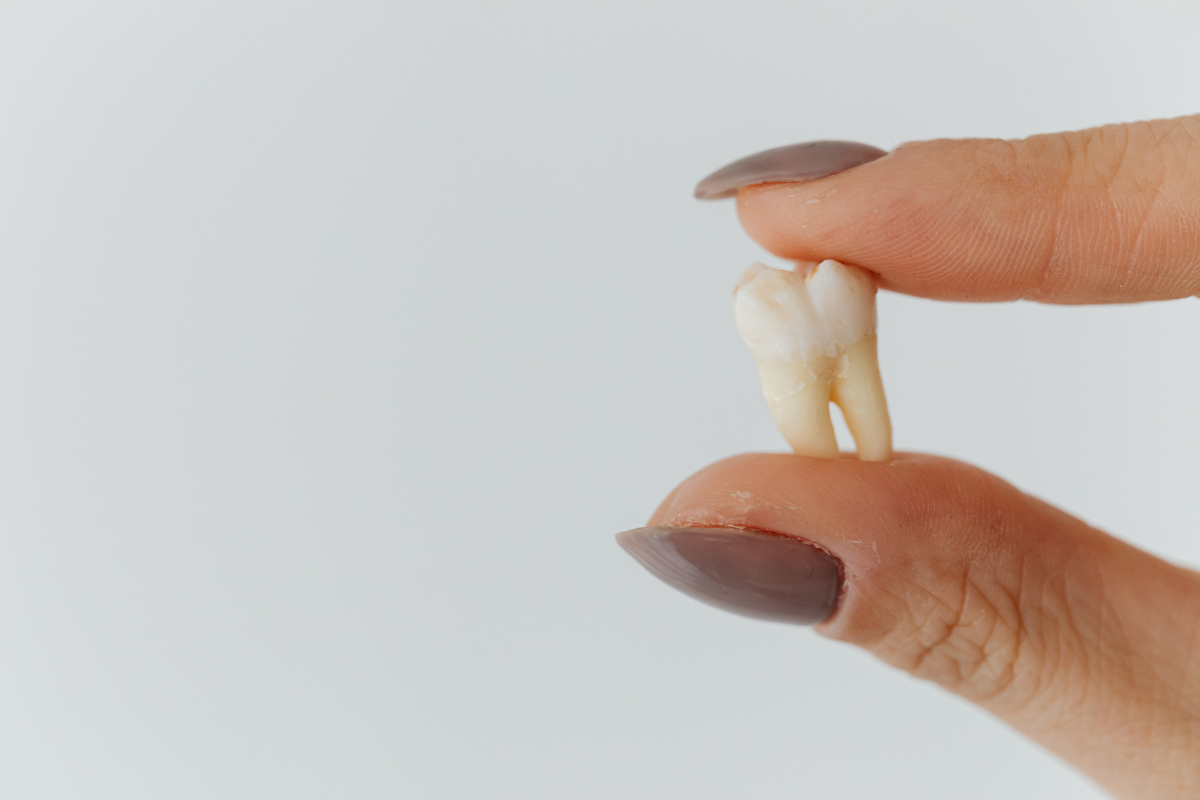
Your tooth has several layers. The hard outer enamel protects the tooth, while the dentin underneath provides support. Deep inside is the pulp, which contains nerves, blood vessels, and connective tissue.
When bacteria reach the pulp, the tissue can become inflamed or infected. This may happen because of:
- Deep tooth decay that reaches the inner part of the tooth
- A crack or fracture that allows bacteria to enter
- A dental injury caused by an accident or impact
- Repeated dental procedures on the same tooth
- A damaged or leaking filling or crown
A tooth does not always show visible damage when the pulp becomes infected. Sometimes, pain or sensitivity is the first warning sign. In other cases, the tooth may become darker or develop swelling near the gums.
Ignoring these symptoms can allow the infection to progress. Getting an examination early gives your dentist more opportunity to identify the problem and discuss ways to preserve the tooth.
Why Saving Your Natural Tooth Matters
Your natural teeth work together to help you chew, speak, and maintain a balanced bite. Losing even one tooth can affect more than the appearance of your smile.
When a tooth is removed and the gap is left untreated, nearby teeth may gradually shift. This can change how your upper and lower teeth meet and may make chewing less comfortable. Depending on the location of the missing tooth, it can also affect your confidence when smiling or speaking.
Preserving your natural tooth, when possible, helps maintain its original position and function. It may also reduce the need for additional treatment to replace a missing tooth.
A root canal is designed to remove the infected tissue while keeping the remaining natural tooth. After the treatment, a suitable restoration—often a dental crown—can help protect the tooth and restore its ability to handle normal biting pressure.
What Happens If You Delay Root Canal Treatment?
An infected tooth usually does not heal on its own. Delaying recommended treatment can allow bacteria to spread beyond the pulp and affect the tissues around the root.
Possible complications include:
- Worsening tooth pain: Discomfort may become more frequent or intense, especially when chewing.
- Dental abscess: An infection may create a pocket of pus near the tooth root.
- Gum or facial swelling: Infection can affect the surrounding soft tissues.
- Bone damage: A spreading infection may damage the bone supporting the tooth.
- Tooth loss: If the structure becomes too weak or the infection cannot be controlled, extraction may be necessary.
Facial swelling, fever, or difficulty swallowing or breathing requires urgent medical attention. Do not wait for a routine dental appointment if you experience these symptoms.
How Root Canal Therapy Roseville Can Help Save a Damaged Tooth
A root canal may be recommended when the pulp is infected or inflamed, but the remaining tooth can still be restored. The goal is to remove the source of infection, seal the inside of the tooth, and protect the natural structure.
Here is what the treatment process generally involves.
- Examination and Diagnosis
Your dentist examines the tooth, reviews your symptoms, and may take dental X-rays to assess the roots and surrounding bone. This helps determine the extent of the damage and whether root canal treatment is appropriate.
- Numbing the Tooth
Local anesthesia is used to numb the area before treatment. Modern dental techniques are designed to help patients remain comfortable during the procedure.
- Removing the Infected Pulp
The dentist creates a small opening in the tooth and removes the inflamed or infected pulp. The inside of the tooth is then cleaned and shaped to prepare it for sealing.
- Cleaning and Sealing the Canals
The root canals are disinfected and filled with a biocompatible material. Sealing the space helps prevent bacteria from entering and causing another infection.
- Restoring the Tooth
After the root canal, the tooth may need a crown or another restoration. This is especially important when significant tooth structure has been lost. A crown can cover and protect the remaining tooth, helping it withstand everyday chewing forces.
The number of visits depends on the tooth’s condition and treatment complexity. Your dentist will explain the expected timeline and restoration needs before proceeding.
When Is a Root Canal Not Enough to Save a Tooth?
Although root canal treatment can preserve many damaged teeth, it cannot repair every type of injury. A tooth may not be suitable for treatment if:
- A crack extends deep below the gum line.
- The tooth is split into separate sections.
- Too little healthy structure remains to support a restoration.
- Severe bone loss or other supporting-tissue problems affect the tooth.
- The tooth cannot be predictably restored after treatment.
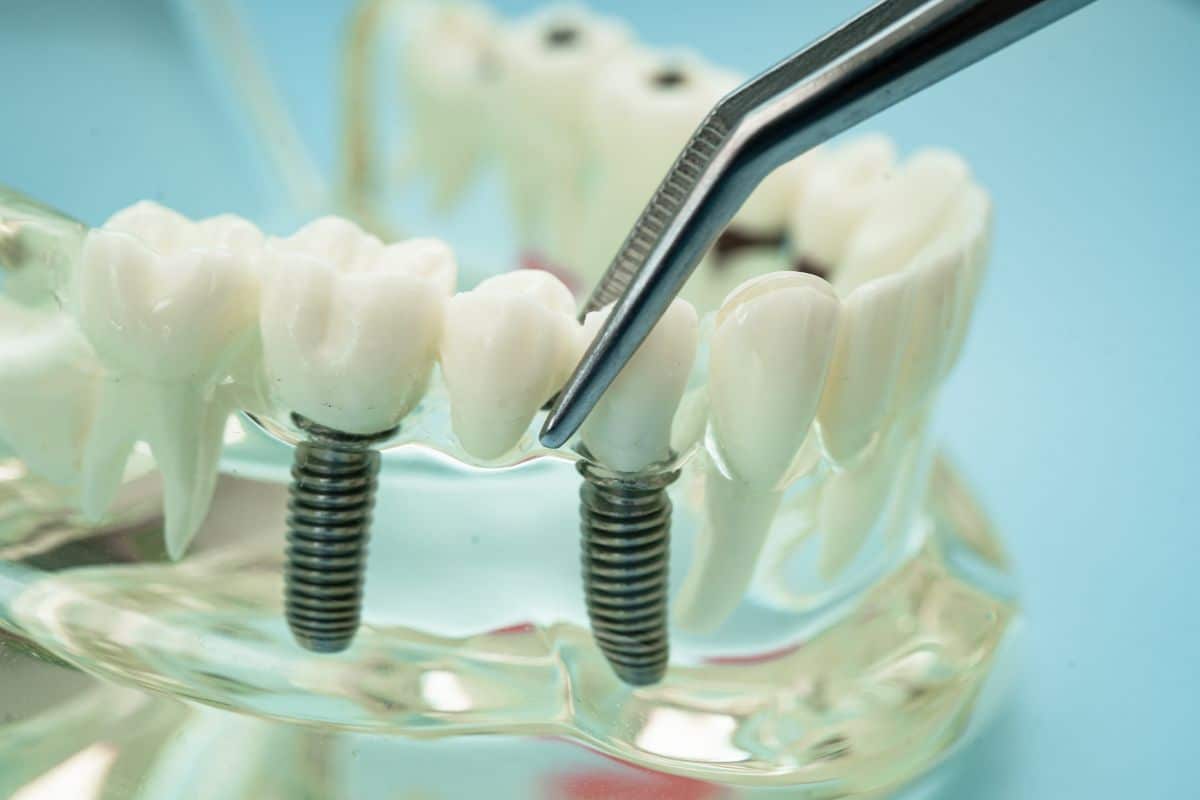
In these situations, your dentist may discuss extraction and replacement options, such as a dental implant or bridge. The right recommendation depends on your oral health, the tooth’s condition, and your long-term needs.
Choosing the Right Dental Care for Your Tooth
A careful diagnosis is important when deciding whether a damaged tooth can be saved. At Arbor View Dental Group, patients can explore root canal care as part of the practice’s restorative dental services. The team can evaluate the affected tooth, explain the available treatment options, and discuss the restoration needed after treatment.
If you have persistent tooth pain, sensitivity, or a damaged tooth, speaking with a Dentist in Roseville can help you understand what is happening before the problem becomes more serious. Treatment recommendations should be based on an examination rather than symptoms alone.
Take the Next Step Before the Damage Gets Worse
You do not have to assume that a severely damaged tooth must be removed. In many cases, Root Canal Therapy Roseville patients can use treatment to address infection, relieve symptoms, and preserve their natural teeth. Early care may give you more options and help prevent complications that can affect your oral health.
If you are experiencing tooth pain, swelling, lingering sensitivity, or discomfort when chewing, contact Arbor View Dental Group to request an appointment. An examination can help determine whether root canal treatment is right for you and what steps may protect your smile. Do not wait for the pain to become unbearable before seeking care.
Frequently Asked Questions
- Can a root canal save a severely damaged tooth?
Yes, a root canal can save a severely damaged tooth if the infection is inside the pulp and enough healthy tooth structure remains to support a restoration. A dental examination and X-rays help determine whether the tooth can be preserved.
- How do I know if I need a root canal?
Common warning signs include persistent tooth pain, lingering sensitivity to hot or cold, pain when biting, swollen or tender gums, and tooth discoloration. Some infected teeth cause few symptoms, so an examination is important when damage or decay is suspected.
- Is root canal treatment painful?
The procedure is performed with local anesthesia to numb the affected area. You may feel pressure during treatment, and mild tenderness can occur afterward. Most post-treatment discomfort is temporary and can often be managed by following your dentist’s instructions.
- How long does a root canal take?
Treatment time varies depending on the tooth, the number of canals, and the extent of infection. Some procedures take about 60 to 90 minutes, while more complex cases may require additional time or visits.
- Will I need a crown after a root canal?
Many teeth, especially back teeth or those with significant damage, need a crown after root canal treatment. A crown helps protect the remaining tooth and restore its strength. Your dentist will recommend the appropriate restoration based on how much natural tooth structure remains.
- What happens if I do not get a recommended root canal?
The infection may continue to develop and cause increasing pain, swelling, an abscess, or damage to nearby bone. In some cases, the tooth may eventually need to be removed. Prompt evaluation can help reduce the risk of these complications.
- Can every cracked tooth be saved with a root canal?
No. A root canal may help when a crack reaches the pulp but does not extend too far below the gum line. A tooth that is split or has a deep fracture may not be repairable. Your dentist will assess the crack before recommending treatment.
- How long can a tooth last after a root canal?
A properly treated and restored tooth can last for many years and may last a lifetime. Its long-term health depends on the quality of the restoration, daily oral hygiene, regular dental visits, and avoiding habits that can cause new damage.
Medical Disclaimer: This article is for general educational purposes only and is not a substitute for professional dental advice, diagnosis, or treatment. Every tooth is different. Consult a licensed dental professional to determine the most appropriate care for your condition.