Request Appointment
April is Oral Cancer Awareness Month


What is oral cancer?
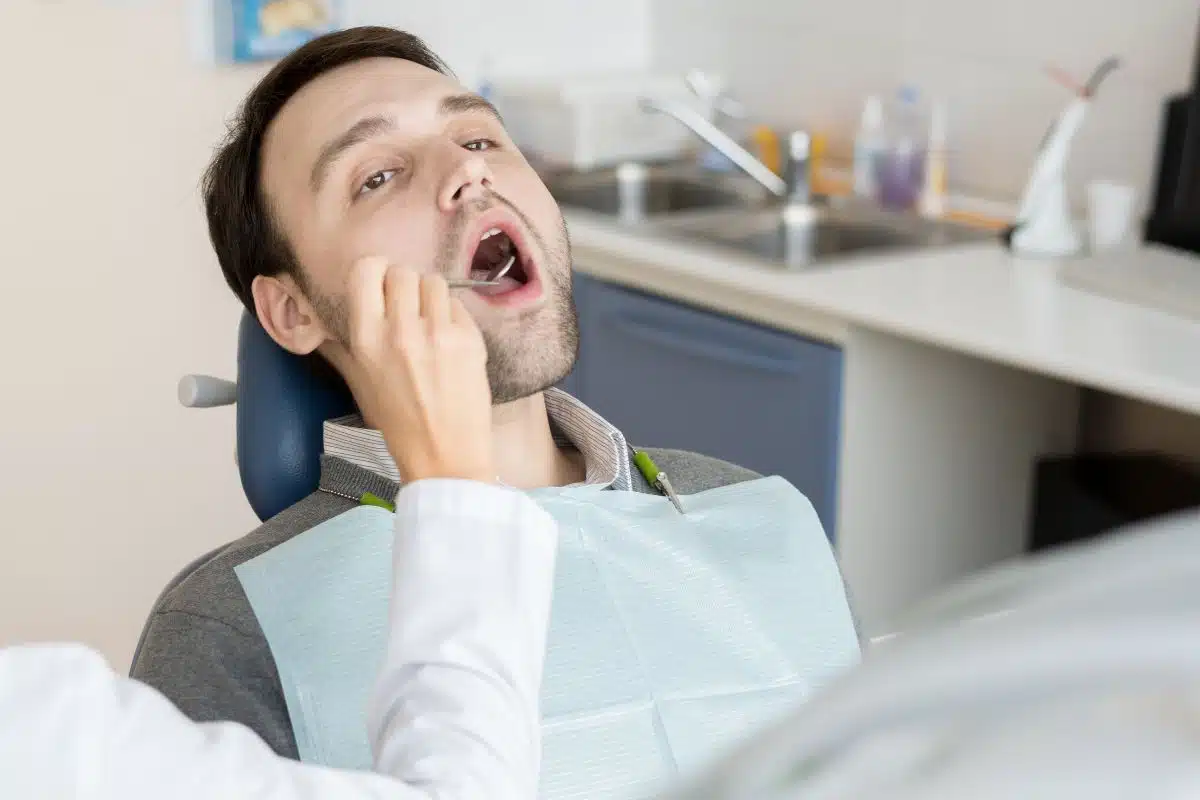
April is Oral Cancer Awareness Month. If you have been putting off a visit to our Roseville, California office, now is an excellent time to schedule one. Regular visits to Arbor View Dental Group can be the first line of defense against oral cancer by identifying early warning signs of the disease or helping you with preventive care tips to lower your chances of developing it.
Oral Cancer Rates in America
Doctors will diagnose nearly 40,000 people in the U.S. with oral cancer this year, and more than 8,000 will die from this disease. It is a devastating illness: most people who receive this diagnosis do not live more than five years beyond it. Oral cancer has a higher death rate than many other common cancers, including cervical cancer, testicular cancer, Hodgkin’s lymphoma, and thyroid or skin cancers. The high death rate occurs because most oral cancers go undiagnosed until the disease advances significantly and spreads to another part of the body—most often, the lymph nodes in the neck.
What causes oral cancer?
While it is impossible to predict exactly which individuals will develop oral cancer, there are some potential causes you should be aware of because, in some cases, you can minimize these risk factors.
- Age (most patients diagnosed with oral cancer are over the age of 40)
- Tobacco use, either from cigarettes or smokeless chewing tobacco
- Excessive alcohol consumption (especially in combination with tobacco use)
- Persistent viral infections, such as HPV16
- A diet low in fruits and vegetables
In addition, oral cancer tends to occur at a rate six times greater in men than in women, and more often in African Americans than in other ethnic groups. Researchers have not identified any genetic links to explain the higher incidence in these populations, so lifestyle choices remain the likeliest cause.
Oral Cancer Treatments
Once a medical team diagnoses the patient, they usually provide oral cancer treatment involving surgeons, oncologists, dentists, nutritionists, and rehabilitation and restorative specialists. Our team will decide on the best approach for each patient, depending on the risk factors and how far the cancer has progressed. The strategy will be different in every case. Some of the most common methods include chemotherapy, radiation, and potential surgery.
Finding out you have cancer can be devastating news. If you are concerned that you might be at risk for developing oral cancer, talk to our dentist in Roseville about screenings and other things you can do to reduce your risk.