Request Appointment
How to Alleviate Pain When Chewing with Dental Implants?


Dental implants are an effective and long-term solution for missing teeth, restoring both function and appearance. However, if you’re experiencing pain when chewing with dental implants, it’s important to understand what’s causing it and how to alleviate the discomfort. While dental implant pain is not common after healing, there are several factors that can contribute to it. Fortunately, most issues are manageable with the right care and support.
Common Reasons for Pain While Chewing
Healing Process
After implant surgery, it’s normal to feel some discomfort during the healing phase, typically lasting a few days to a few weeks. Swelling, bruising, or tenderness around the implant site may cause minor pain when chewing. This is usually temporary and should improve with time.
Improper Bite Alignment
If your dental implant or crown isn’t aligned properly with your natural bite, it can place excessive pressure on the implant when chewing. Over time, this can cause discomfort or even damage to the surrounding teeth and bone structure.
Gum Inflammation or Infection
Peri-implantitis is a condition similar to gum disease, where the tissues around the implant become inflamed or infected. This can lead to soreness, swelling, and difficulty chewing. It’s often caused by poor oral hygiene, and early treatment is critical to avoid implant failure.
Loose Implant or Crown
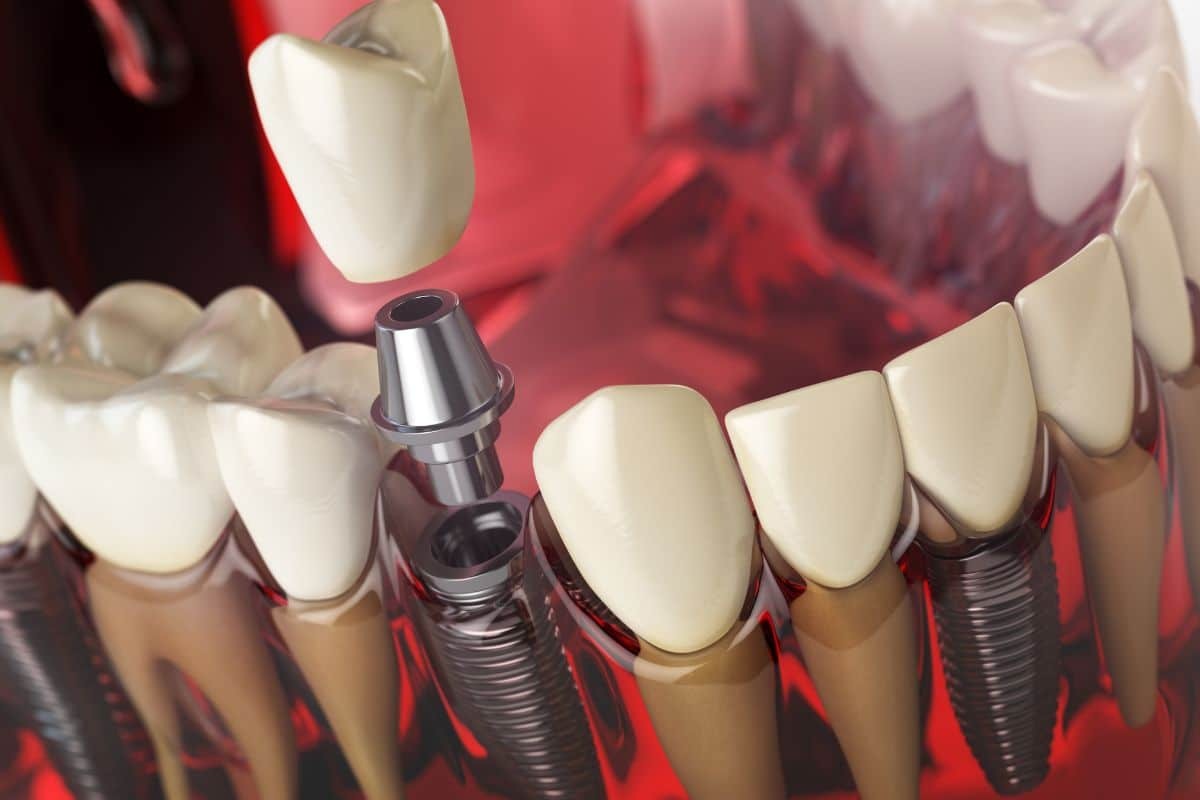
If your implant or crown becomes loose, it can shift when chewing, causing irritation and pain. This could be due to bone loss, trauma, or mechanical issues with the abutment or restoration.
Nerve Irritation
In rare cases, an implant placed too close to a nerve may cause ongoing discomfort or pain while biting or chewing. If this is the case, a thorough evaluation by your dentist is necessary to determine the best course of action.
How to Reduce Pain When Chewing?
1. Use a Soft Diet Temporarily
Stick to soft foods like mashed potatoes, yogurt, soups, and scrambled eggs if you’re experiencing discomfort. This gives the implant site a chance to rest and recover.
2. Maintain Excellent Oral Hygiene
Plaque and bacteria can irritate the gums and surrounding tissues. Brushing twice a day, flossing daily, and using an antimicrobial mouthwash can help keep your implant site clean and healthy.
3. Check Your Bite
If you suspect your bite is misaligned, schedule a visit with your dentist. A minor adjustment to the crown or surrounding teeth may resolve the issue and relieve pressure during chewing.
4. Address Grinding or Clenching
Bruxism (teeth grinding) puts excessive pressure on your implants. If you grind your teeth at night, a custom nightguard can protect your implants and reduce pain.
5. Follow Up with Your Dentist
Regular dental visits ensure your implant remains stable and the surrounding tissues stay healthy. If you feel consistent pain when chewing, it’s crucial to have a professional evaluation.
If you’re considering treatment for persistent pain with dental implants in Roseville, it’s essential to work with an experienced dental team that can diagnose the root of the problem and offer personalized solutions.
When to Seek Help?
Pain that lingers beyond the initial healing period or worsens over time isn’t normal and should never be ignored. Your dentist may recommend X-rays or further examination to rule out infection, implant movement, or other complications.
At Arbor View Dental Group, we’re committed to ensuring your dental implants look natural and feel comfortable. If you’re dealing with chewing pain, our skilled team is here to help you enjoy your meals again without discomfort. Contact us today to schedule your consultation and get the relief you deserve.