Request Appointment
Are Mamelons Normal On Adult Teeth? What You Need To Know

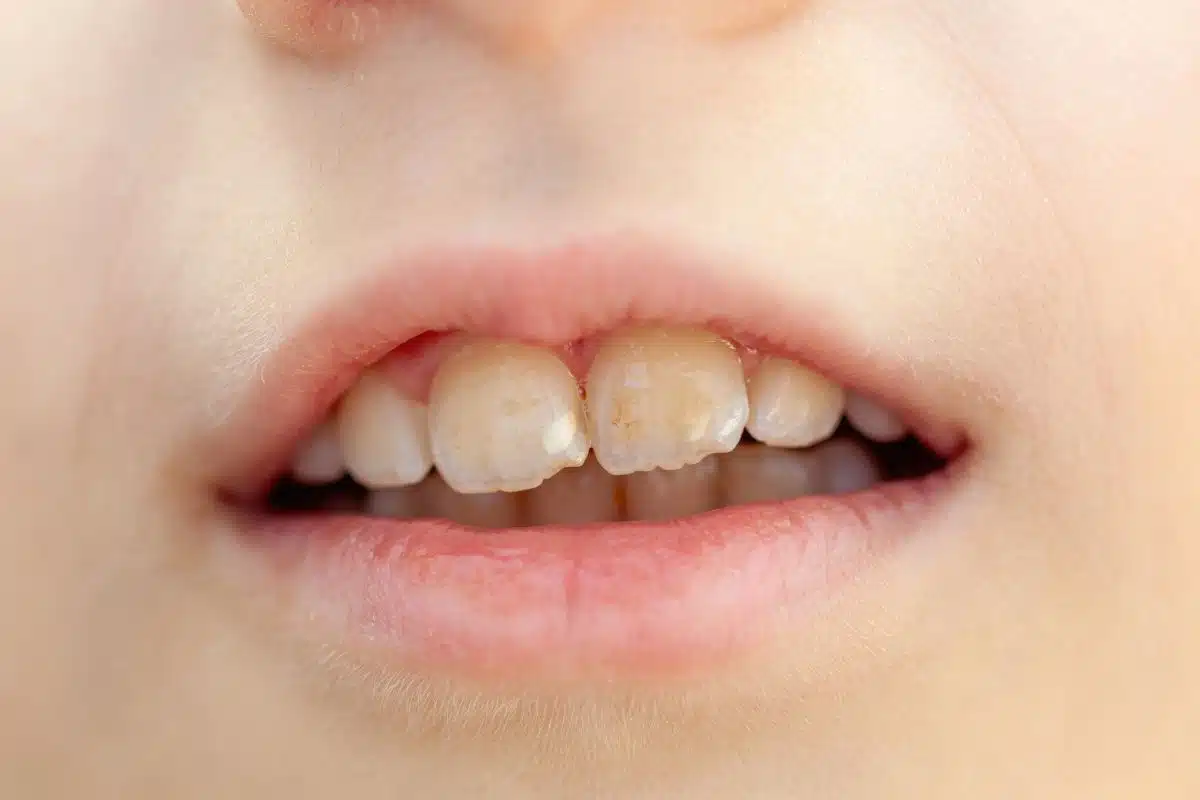
Have you ever looked closely at the edges of your front teeth and spotted tiny, rounded bumps or ridges? You may have brushed it off as nothing, or maybe you assumed a tooth was chipped. But those small bumps have a name, they’re called mamelons, and they show up more often than most people realize.
If you’ve noticed them on your own teeth and started wondering whether something is wrong, you’re not alone. This is one of those things that quietly goes unnoticed for years until one day you really look. The good news is that mamelons are a normal part of how teeth develop, and in most cases, they’re nothing to worry about. That said, a trusted dental care provider can help you figure out whether yours are simply a natural feature or something worth looking into.
Let’s break it all down in plain terms.
What Are Mamelons, Exactly?
Mamelons are the small, rounded ridges that sit along the biting edge of the front teeth, specifically your upper and lower incisors. You’ll usually see three little bumps on each tooth, giving the edge a slightly wavy or scalloped appearance.
They form before you’re even born. During tooth development, each permanent incisor grows from three separate sections called lobes. When those lobes fuse together, they leave behind the bumpy edge that we call mamelons. They’re essentially the fingerprints of how your tooth was built.
Baby teeth, interestingly, never have mamelons. They’re unique to the permanent teeth.
Are They Normal in Children?
Absolutely. In children, mamelons are completely normal. When permanent front teeth first come in, usually between ages 6 and 12, they almost always have these ridges. Think of them as brand-new teeth fresh from development, still showing the marks of how they were formed.
As kids grow and start using their teeth for everyday biting and chewing, those ridges gradually wear down. The constant contact between the upper and lower teeth creates gentle friction over time, and the edges become smoother and more even. For most kids, mamelons fade away naturally well before they reach adulthood.
Can Adults Still Have Mamelons?
Yes, and it’s more common than many people think. Research has found that around 5% of people still have noticeable mamelon ridges into their 50s, and milder, trace versions may be even more widespread.
So if you’re an adult and you can still see those ridges on your front teeth, it doesn’t automatically mean something is wrong. It often just means those particular teeth haven’t experienced enough natural wear to smooth them out.
Why Do Mamelons Sometimes Stay?
There are a few reasons why mamelons might not wear down the way they typically do:
- Bite alignment issues: The most common explanation. If your upper and lower front teeth don’t come into regular contact when you bite down, there’s nothing to create that gradual wear. Conditions like an open bite, where the front teeth don’t overlap at all when the mouth is closed, can leave mamelons intact well into adulthood. Experts often describe visible mamelons in adults as a potential signal worth investigating for bite concerns.
- Softer diets: If your day-to-day diet leans heavily on soft or processed foods, your teeth may simply not experience enough friction to wear down those edges naturally. Hard-crusted bread, raw vegetables, and other textures are what typically do the job over time.
- Genetics: Some people are naturally born with stronger, more wear-resistant enamel. While this is generally a great thing, it means better protection against cavities; it can also mean that those enamel ridges hold on longer than usual.
- Minimal tooth contact habits: If you tend to avoid biting with your front teeth, perhaps because of a dental issue or just habit, those teeth simply won’t get the friction needed to smooth themselves out.
Are Mamelons Harmful?
For most people, no. Mamelons are generally harmless. They don’t weaken the tooth, they don’t cause decay, and they don’t affect how your teeth function in most cases. The concern, when there is one, tends to be one of two things:
- Appearance: Some adults feel self-conscious about the way mamelons make their front teeth look a bit jagged or uneven compared to what they expect a mature smile to look like. This is a completely valid concern, and cosmetic options are available.
- A clue about your bite: When mamelons are prominent in an adult, they can sometimes point to an underlying alignment issue that’s worth evaluating. If your front teeth aren’t wearing down the way they should, a dentist may want to check whether your bite is the reason why.
It’s also worth noting that in rare situations, prominent ridges can cause mild tongue irritation, particularly on the underside where they make contact with the tooth’s edge. This is uncommon but can happen.
When Should You Talk to a Dentist?
Most of the time, mamelons don’t need any urgent attention. But it’s a good idea to bring them up at your next dental visit if:
- You’ve noticed them as an adult and have never had your bite formally evaluated
- The edges feel rough or seem to be irritating your tongue
- You’re feeling self-conscious about the appearance of your front teeth
- They appeared recently or seem to have changed in some way
A routine checkup gives your dentist a chance to look at the bigger picture, how your teeth come together, whether your bite is aligned, and whether those ridges are simply cosmetic or tied to something that could use attention.
Ready to Talk About Your Smile?
If you’ve been wondering about those ridges on your teeth, you don’t have to keep guessing. Call us at 916-780-2262, and we’ll take a close look, answer your questions, and walk you through any options that make sense for you.
What Can Be Done About Mamelons?
If mamelons are bothering you, whether it’s the look, a bit of roughness, or just the fact that they’re there, there are a few simple, comfortable ways to address them. None of these is a complex procedure.
- Enamel contouring (tooth reshaping): This is the most straightforward option. A dentist gently files or polishes the edges of the teeth to smooth out the ridges. It’s quick, painless, and typically doesn’t require anesthesia or any recovery time. Most patients are in and out in a single visit.
- Dental bonding: Instead of removing the ridges, bonding fills them in with a tooth-colored resin material to create a smoother, more even edge. The results look natural, and the process is non-invasive. The material may need a touch-up every few years, but it’s a simple fix.
- Dental veneers: For someone looking for a longer-lasting cosmetic solution, veneers are thin shells bonded to the front of the teeth. They cover not just the mamelons but any other cosmetic concerns, and with proper care, they can last many years.
The right approach depends on what’s behind the mamelons and what your goals are. A dentist can walk you through what makes the most sense for your specific situation.
A Few Things to Avoid
One thing worth mentioning: don’t try to file or smooth mamelons on your own. It might seem like a simple thing, but enamel is irreplaceable. Any attempt to DIY this with a nail file or other abrasive tool can cause permanent damage that creates real problems down the line. Always leave any reshaping to a professional.
How Do You Know If It’s a Mamelon or a Chip?
This is a fair question and one that comes up often. The difference comes down to shape and location. Mamelons appear as three evenly spaced, rounded bumps along the entire cutting edge of the tooth. A chip, on the other hand, is usually irregular, asymmetric, and concentrated in one spot. Chips can also cause sharp edges or sudden sensitivity.
If you’re not sure which one you’re dealing with, a quick look from your dentist will settle it immediately.
Keeping Your Smile Looking and Feeling Its Best With Arbor View Dental Group
Mamelons are one of those small details of dental health that most people never learn about until they notice them on their own teeth. The bottom line is this: they’re a natural part of how your permanent teeth were built, and in many cases, they wear away quietly on their own. When they stick around into adulthood, they’re often harmless, but they can sometimes point to a bite alignment worth evaluating.
Whether you’re curious about those ridges, considering a cosmetic fix, or just due for a routine checkup, our team is here to help. At our dental office, we believe good dental care starts with clear, honest answers and a comfortable experience. Our dentist in Roseville is happy to evaluate your teeth, explain what’s going on, and help you decide what, if anything, you’d like to do about it. Request an appointment today, and let’s take a look together.
Frequently Asked Questions From Our Patients
My teenager’s front teeth came in about a year ago and still have mamelons. Should I be concerned?
Not necessarily. Mamelons are normal on newly erupted permanent teeth and often take time to wear down. As long as the bite looks normal, they’ll likely smooth out on their own. Mention it at the next routine visit if you want to be sure.
I had braces as a kid, and my teeth are now straight. Why do I still have mamelons?
Braces correct alignment but don’t wear down mamelons. If your front teeth still don’t fully contact each other when biting, those ridges may not have had enough friction to smooth out. A dentist can quickly check how your teeth meet and advise from there.
Can mamelons come back after they’ve worn down?
Enamel doesn’t regrow, so once mamelons wear away, they’re gone for good. If you’re noticing new bumps or rough edges, that’s likely a chip or enamel erosion worth having checked sooner rather than later.
Does having mamelons mean my enamel is stronger or weaker than normal?
It can actually point to stronger enamel. More wear-resistant enamel holds onto those ridges longer. That said, it’s not a reliable indicator of overall enamel health diet, hygiene, and acid exposure all matter just as much.