Request Appointment
Can You Get a Cavity Under a Dental Crown?

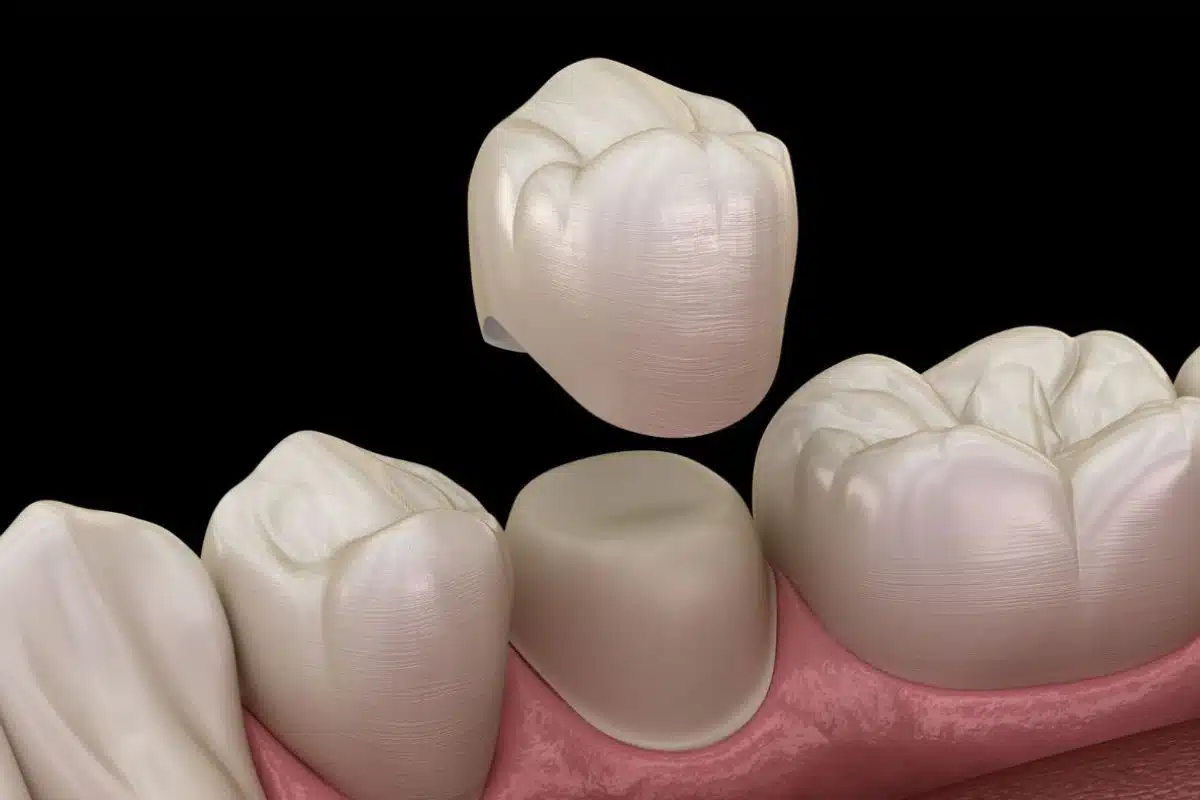
A dental crown is designed to protect a damaged or weakened tooth, so it may seem strange to think that the tooth could develop another cavity after being crowned. Unfortunately, a crown does not make the natural tooth underneath it completely protected from decay.
The crown itself cannot get a cavity because it is made from dental material. But the natural tooth beneath the restoration can still develop decay, particularly around the edge where the crown meets the tooth.
This is why proper home care and regular dental visits remain important even after you receive a crown.
What Does a Dental Crown Cover?
A dental crown is a restoration that fits over a prepared tooth. It is commonly used when decay, a large filling, a fracture, severe wear, or another structural problem has weakened a tooth.
The crown restores the tooth’s shape and provides additional support.
Although most of the tooth may be covered, the natural root and portions near the gumline remain part of your oral environment.
That means bacteria can still affect the natural tooth structure if plaque accumulates.
How Can a Cavity Develop Under a Crown?
The most vulnerable area is often the margin of the crown.
This is the point where the restoration meets your natural tooth. If plaque collects along this edge, bacteria can produce acids that attack the tooth.
Over time, the natural tooth can develop recurrent decay.
This does not mean the crown itself has been damaged by a cavity. Instead, the decay is affecting the natural tooth underneath or around the restoration.
Why Can Decay Return After Treatment?
There are several possible reasons.
Plaque Around the Crown Margin
If brushing and flossing do not effectively remove plaque around the crown, bacteria can remain near the natural tooth.
Frequent Sugar Exposure
Frequent snacks and sweetened drinks can increase the number of acid attacks your teeth experience throughout the day.
Gum Recession
As gums change over time, more of the tooth root may become exposed. Root surfaces do not have the same enamel covering as the crown of the natural tooth.
An Older Crown
Dental crowns can last for many years, but they are not permanent. Normal chewing, changes in the surrounding tooth, or wear can eventually affect the restoration.
Crown Damage or Poor Fit
A damaged or compromised crown may no longer provide the same level of protection. If you notice that a crown feels loose, cracked, or different from when it was first placed, it should be evaluated.
What Are the Signs of Decay Around a Crown?
Not every cavity causes immediate symptoms.
You may notice nothing at all during the early stages. That is one reason regular examinations remain important.
As a problem progresses, symptoms may include:
- Sensitivity to hot or cold.
- Pain when chewing.
- Persistent tooth discomfort.
- A rough area near the crown.
- Food repeatedly becoming trapped around the tooth.
- Gum tenderness or swelling.
- A loose or damaged crown.
These symptoms can also occur for reasons other than decay, so they should not be used to diagnose a cavity on their own.
How Is a Tooth Under a Crown Checked?
Your dentist may begin with a visual examination of the tooth and crown.
Dental X-rays can also be useful because some areas underneath or around a restoration are difficult to see directly.
If the crown is loose, damaged, or showing signs of wear, the dentist may also evaluate how it fits and how the surrounding tooth and gums look.
The goal is to determine whether there is decay and whether the existing crown can remain in place.
Does a Cavity Always Mean the Crown Needs to Be Replaced?
No.
The treatment depends on the location and severity of the decay and the condition of the crown.
If the decay is limited and accessible, it may sometimes be treated without replacing the entire restoration.
If the crown is damaged, poorly fitting, or the decay has progressed significantly, replacing the crown may be part of the treatment plan.
Every tooth is different, so an examination is necessary before deciding what should happen next.
Can You Prevent Decay Under a Crown?
You cannot guarantee that a crowned tooth will never develop decay, but you can reduce the risk.
Start with the basics:
Brush twice daily: Use fluoride toothpaste and spend enough time cleaning around the crowned tooth.
Floss every day: Pay special attention to the area where the crown meets the gumline.
Limit frequent sugar exposure: The frequency of sugary snacks and drinks matters because repeated exposure gives bacteria more opportunities to produce acids.
Drink water: Water can help rinse away food particles and is a better everyday beverage choice than frequently sipping sugary drinks.
Keep regular dental appointments: Your dentist can monitor the crown and the natural tooth beneath it.
What About a Same-Day Dental Crown?
If an existing crown eventually needs to be replaced, treatment options depend on the condition of the tooth and restoration.
Arbor View Dental Group offers same-day dental crown treatment in Roseville, CA using digital impressions and in-office crown fabrication. Same-day treatment can allow an eligible patient to have the crown designed, created, and placed during one appointment rather than waiting for a laboratory-made crown.
However, the first step is determining whether a new crown is actually necessary.
Why Regular Checkups Still Matter
It can be tempting to think that a tooth no longer needs much attention after it receives a crown.
The opposite is true.
A crowned tooth still needs to be monitored because the natural tooth and surrounding gums remain susceptible to oral health problems. Regular dental examinations allow changes to be identified before they become more complicated.
Your dentist can also check whether the crown continues to fit properly and whether the surrounding gums appear healthy.
Conclusion: Your Crown Still Needs a Healthy Foundation
A dental crown can restore and protect a weakened tooth, but it does not make the underlying tooth immune to decay. Cavities can develop around the crown margin or on exposed natural tooth structure.
Good daily hygiene, regular dental visits, and attention to changes in an existing crown can help protect the tooth underneath.
If you are concerned about decay around an existing crown or think your restoration needs attention, visit our dental office for an evaluation.