Request Appointment
A Guide to Understanding Dental Implant Materials


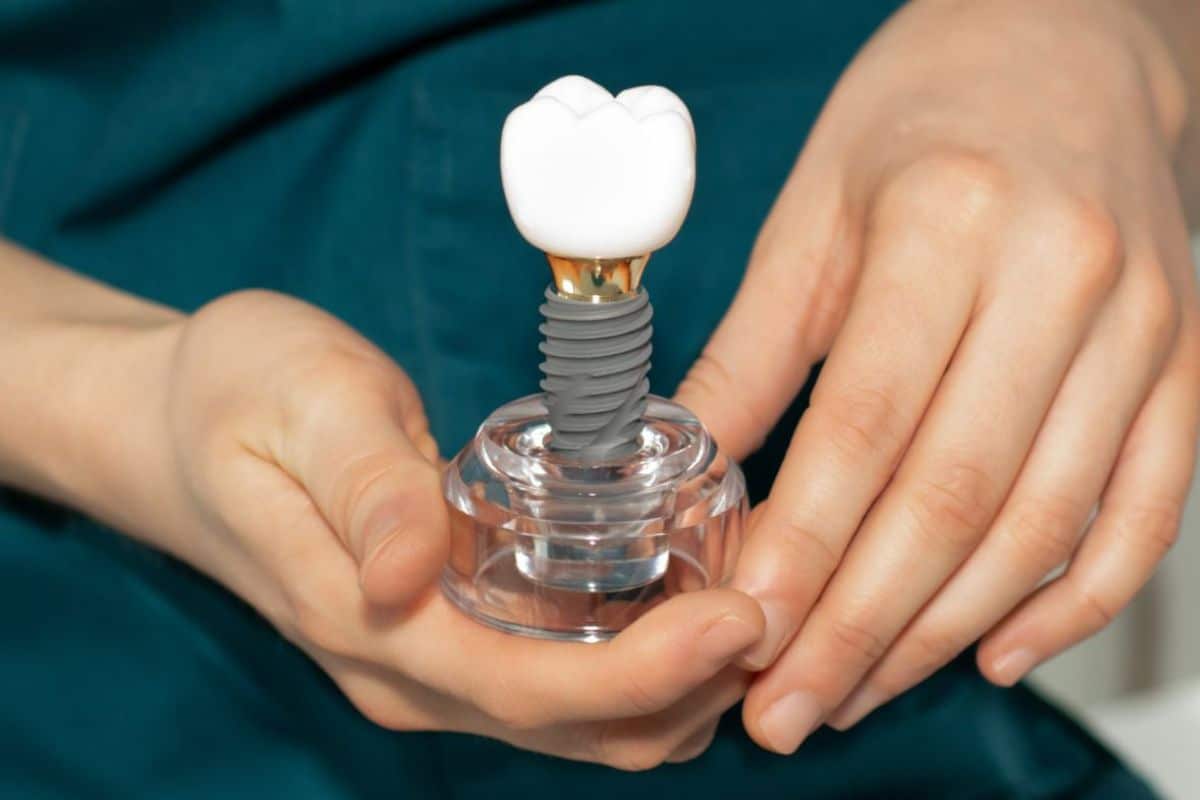
Dental implants are one of the most reliable ways to replace missing teeth, but many people don’t realize that implants aren’t all made from the same material. The type of material used can affect how your implant feels, heals, and lasts. Understanding your options can help you make a confident decision about your oral health.
In this guide, we’ll walk through the most common implant materials and what each means for your long-term smile.
Why Dental Implant Materials Matter?
The material behind your implant does more than hold your new tooth in place. It influences how your bone heals, how stable the implant becomes, and how comfortable it feels in the years ahead. Choosing the right option can support better function, appearance, and reliability.
Titanium Dental Implants
Titanium has been used in dental implants for decades—and for good reason.
It is strong, long-lasting, and well-suited to the body. Most people tolerate titanium without any issues, and it forms a solid bond with the jawbone during healing.
Benefits of titanium implants include:
- Excellent durability
- High success rate over many years
- Flexibility for a variety of treatment needs
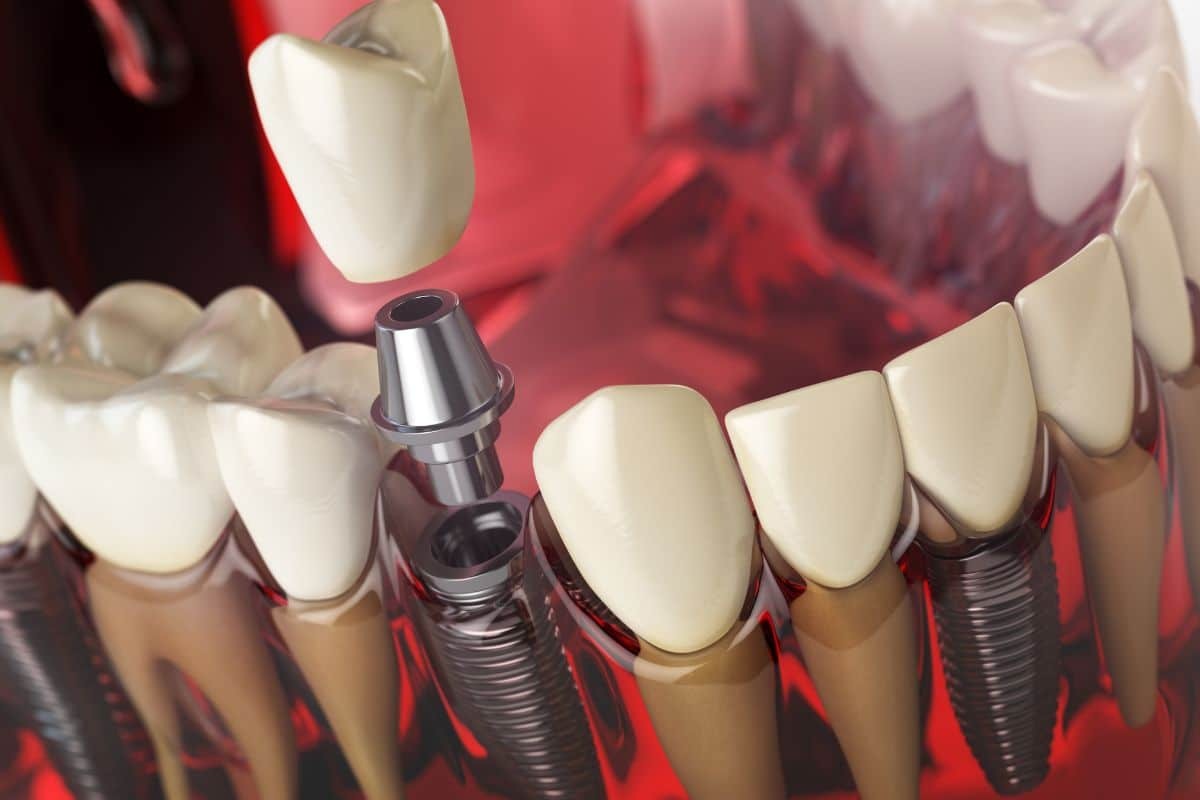
Titanium implants also come in two-piece designs, which allow dentists more flexibility when restoring your tooth.
Zirconia Dental Implants
Zirconia implants are a newer, metal-free option. While they are strong like titanium, they are white in color, which some patients prefer because it blends more naturally with surrounding teeth and gums.
Benefits of zirconia implants include:
- Metal-free design
- Tooth-colored appearance
- Smooth surface that may help resist plaque buildup
Zirconia implants are usually one solid piece, which can be a good choice for people looking for a simpler, low-maintenance option.
Titanium vs. Zirconia: How to Choose
Both materials are reliable, but your best choice depends on your personal needs:
- Aesthetics: Zirconia offers more natural coloring.
- Strength & Longevity: Titanium has the longest track record.
- Flexibility: Titanium designs offer more customizable options.
- Sensitivity: Zirconia may be preferred for those avoiding metals.
A dentist will look at your gum health, bone density, and overall goals before recommending a material.
How Material Choice Affects Your Implant Process?
While the overall implant process is similar, your material choice can affect factors such as how quickly the implant bonds to your bone and how it supports your final crown.
Many patients search for treatments that fit into a broader long-term care plan, and choosing the right material is often part of exploring restorative dentistry options that support lifelong oral function and health.
Both titanium and zirconia are meant to provide stability, comfort, and long-term reliability—you need the one that best supports your smile.
Questions to Ask Your Dentist
Before moving forward with dental implants, consider asking:
- Which material best fits my oral health needs?
- Am I a good candidate for titanium, zirconia, or both?
- What kind of long-term results can I expect from each option?
- How will the chosen material affect my healing timeline?
Asking these questions can help you feel more confident and prepared.
Make an Informed Choice for Your Smile – Visit Arbor View Dental Group
Understanding your implant material options is an integral part of planning your treatment, and having a trusted dental team makes the process much easier. If you’re considering dental implants in Roseville, CA, our team at Arbor View Dental Group is here to guide you through every step. Request an appointment today to get started.