Request Appointment
Can You Still Get Dental Implants with Gum Disease? A Roseville Dentist Explains


If you’re considering dental implants but have been diagnosed with gum disease, you’re not alone. Many adults face the same concern. Gum disease, also known as periodontal disease, is one of the leading causes of tooth loss. So, it’s natural to wonder whether this condition could prevent you from receiving a dental implant. Fortunately, the answer isn’t always a hard “no.” With proper treatment and planning, it’s often possible to move forward with implants even after gum disease.
In this blog, a Roseville dentist explains how gum disease affects your eligibility for implants and what you can do to restore your oral health.
Understanding Gum Disease and Its Impact
Gum disease is a chronic infection of the soft tissue surrounding your teeth. In its early stages (gingivitis), it causes mild inflammation. If untreated, it can progress to periodontitis, where the gums recede and bone loss occurs.
Advanced gum disease can compromise dental implant success since dental implants rely on a healthy jawbone and gums for stability. However, modern dentistry has made great strides in treating gum-related issues, allowing more patients to become candidates for implants than ever before.
Can You Still Get Implants?
Yes, but with certain conditions.
Before moving forward with implants, your dentist will evaluate the severity of your gum disease. If it’s active and causing bone loss, your treatment plan will first focus on controlling the infection. This might involve:
- Deep cleanings (scaling and root planing)
- Antibiotic therapy
- Gum surgery in more advanced cases
- Bone grafting if there’s significant bone loss
Your dentist can reassess your implant eligibility once your gums are healthy and stable.
Why Patients Shouldn’t Delay Treatment?
Gum disease doesn’t just affect your smile; it can lead to more severe health issues, including heart disease and diabetes complications. The sooner you address gum problems, the more likely you are to preserve your oral health and become eligible for future implant placement.
Roseville residents have access to high-quality periodontal care and restorative dentistry. Whether you’re in the early stages of gum disease or have already lost teeth because of it, effective solutions are available locally.
What to Expect If You Qualify for Implants After Gum Treatment?
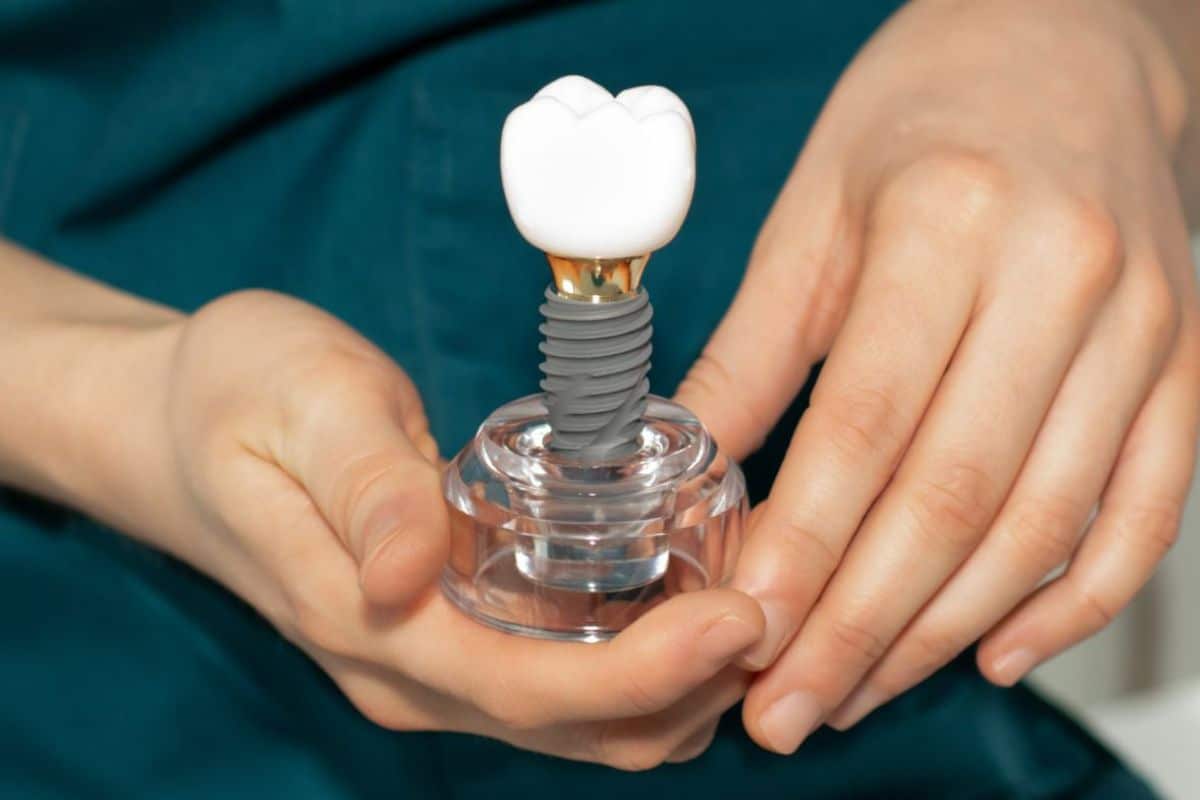
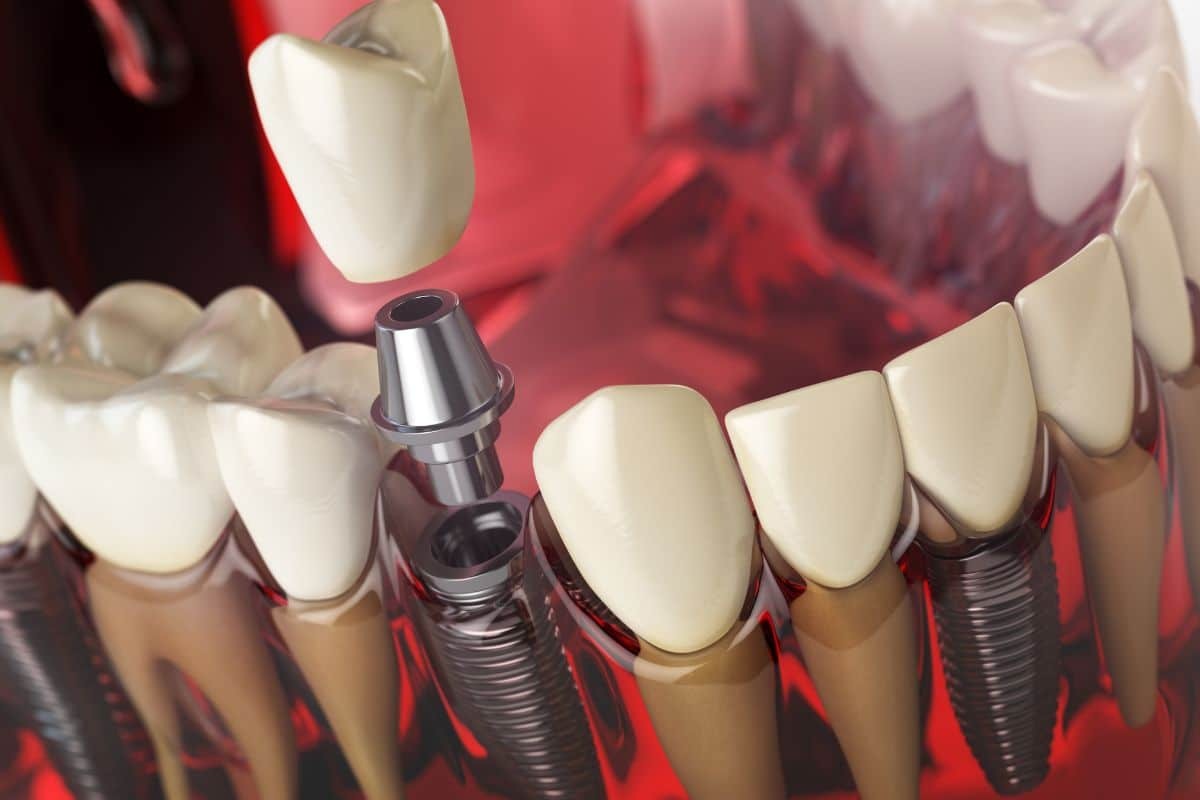
Once your gums are healthy, your dentist will perform digital imaging and scans to ensure your jawbone is strong enough to support an implant. In some cases, a bone graft may be needed to rebuild volume. The implant process typically involves:
- Implant post placement into the jawbone
- Healing and osseointegration (3-6 months)
- Abutment and crown placement
With proper care, dental implants can last decades, even for patients with a history of gum disease.
Conclusion
Gum disease doesn’t automatically disqualify you from getting dental implants. You can still restore your smile with long-lasting results with the proper treatment and a personalized plan. At Arbor View Dental Group, our experienced team guides Roseville patients through every step from periodontal care to implant placement.
Request an appointment today and explore your options.
FAQs About Dental Implants
1. Can I get dental implants if I previously had gum disease?
Yes. If your gum disease has been treated and is well-managed, you may still be a candidate for dental implants. Your dentist will assess your current gum health and bone support.
2. How long does the implant process take?
The entire dental implant process can take 3 to 9 months, depending on healing time and whether additional procedures like bone grafting are needed.
3. Are dental implants painful?
Most patients report minimal discomfort during the implant procedure, thanks to anesthesia and sedation options. Recovery typically involves mild soreness that is manageable with over-the-counter pain relief.
4. Do dental implants need special care?
No special products are required, but good oral hygiene, brushing, flossing, and regular dental visits are essential to maintaining implant success.
5. What if I don’t have enough bone for implants?
If you lack sufficient bone, bone grafting can often rebuild the area, making implants a viable option.