
Request Appointment
What Causes Gum Recession and How Can You Fix It?

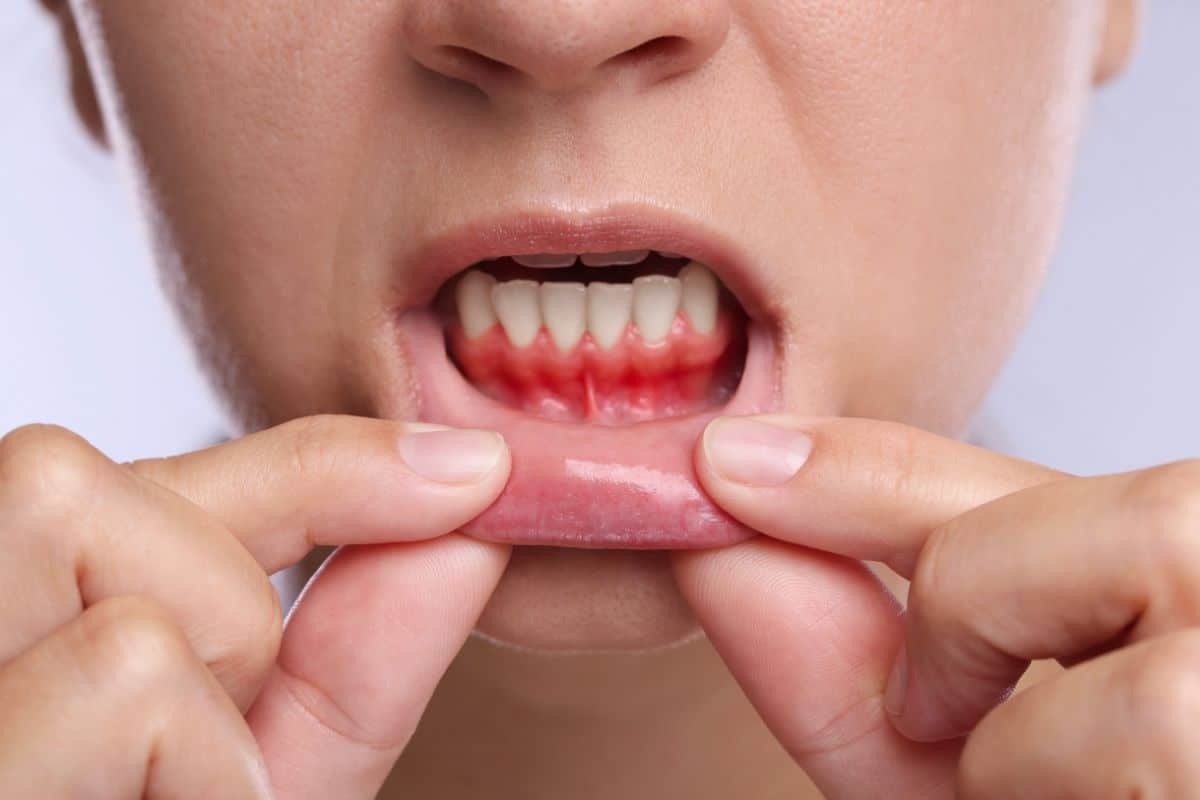
Have you ever looked in the mirror and felt like your teeth seemed a little longer than they used to? Or maybe you’ve noticed a sudden, sharp sensitivity when you sip something cold? These are small changes that are easy to brush off, but they’re often the first signs that your gums are pulling back, a condition known as gum recession.
Gum recession is more common than most people realize, and it doesn’t always come with obvious pain right away. At Arbor View Dental Group, we see patients come in all the time who didn’t even know their gums were receding until it had already progressed. The good news is that when it’s caught early, there’s a lot that can be done. Our goal is to help you understand what’s happening in your mouth so you can make informed decisions about your care without the guesswork.
What Is Gum Recession?
Gum recession occurs when the tissue surrounding your teeth pulls away from the tooth, exposing more of the tooth’s surface and sometimes even the root beneath it. When the root is exposed, the tooth becomes vulnerable to bacteria, decay, and increased sensitivity.
The tricky part is that a recession tends to happen gradually. It’s not something that shows up overnight. Most people don’t notice it until the gumline has already shifted quite a bit, which is why routine dental visits matter so much.
What Causes Gum Recession?
There’s no single cause. In most cases, it’s a combination of factors working together over time. Here are the most common ones:
Brushing Too Hard
It might sound harmless, but aggressive brushing is one of the leading causes of gum recession. When you scrub your teeth with too much pressure, especially with a medium- or hard-bristled toothbrush, you can gradually wear down the gum tissue. The damage adds up over the years without you realizing it.
Gum Disease
Gum disease, which starts as gingivitis and can progress to periodontitis if left untreated, is another major culprit. Bacteria accumulate along and below the gumline, triggering inflammation that slowly destroys the gum tissue and the bone that supports your teeth. Over time, the gums pull away from the teeth, leaving pockets where more bacteria can settle in.
Genetics
Some people are simply more predisposed to gum recession than others, regardless of how well they take care of their teeth. If gum problems run in your family, it’s worth mentioning that to your dentist so they can keep a closer eye on things.
Teeth Grinding and Clenching
Bruxism, the habit of grinding or clenching your teeth, often during sleep, places excessive force on the teeth and gums. Over time, this pressure can contribute to gum recession and even bone loss in the jaw.
Misaligned Teeth or a Poor Bite
When teeth don’t come together properly, certain teeth take on more pressure than they should during chewing and biting. This uneven force can gradually push the gums back in the areas under the most stress.
Tobacco Use
Smokers and tobacco users are at a significantly higher risk for gum recession. Tobacco reduces blood flow to the gum tissue, making it harder for the gums to stay healthy and fight off infection.
Hormonal Changes
Fluctuations in hormones, particularly in women during puberty, pregnancy, or menopause, can make gum tissue more sensitive and more likely to recede. It’s one reason why gum health can shift at different stages of life.
Warning Signs You Shouldn’t Ignore
Because gum recession moves slowly, it’s easy to miss. Here are some signs that something may be going on with your gum tissue:
- Your teeth look longer than they used to
- You feel sensitivity to hot, cold, or sweet foods and drinks
- You notice a notch or groove where your tooth meets the gum
- Your gums bleed when you brush or floss
- One or more teeth feel slightly loose
- You can see the root of a tooth near the gumline
If any of these sound familiar, it’s worth getting it checked out sooner rather than later. The earlier recession is caught, the more conservative the treatment options tend to be.
How Is Gum Recession Treated?
Treatment depends on how far the recession has progressed and what’s causing it. Here’s a breakdown of the most common approaches:
Scaling and Root Planing (Deep Cleaning)
For patients with early to moderate recession caused by gum disease, a deep cleaning is often the first step. This procedure removes plaque and tartar buildup from below the gumline and smooths the tooth root to help the gums reattach. It’s non-surgical and done right in the dental office.
Gum Grafting
When recession is more significant, a gum graft may be recommended. During this procedure, tissue often taken from the roof of the mouth is placed over the exposed root area to rebuild the gumline. It’s one of the most effective long-term solutions for a moderate-to-severe recession.
The Pinhole Surgical Technique
This is a newer, minimally invasive option that doesn’t require tissue grafts or sutures. The dentist makes a tiny hole in the gum tissue and uses specialized tools to gently reposition the gums back over the exposed root. Recovery time is typically faster than with traditional grafting.
Addressing the Root Cause
No treatment works long-term if the underlying cause isn’t addressed. Whether that means getting fitted for a night guard to manage grinding, adjusting your brushing technique, or getting on a more frequent cleaning schedule, treating the source of the problem is just as important as treating the recession itself.
Can Gum Recession Be Prevented?
Not every case of gum recession can be prevented, especially when genetics play a role. But there’s quite a bit you can do to reduce your risk and slow progression if recession has already started:
Use a Soft-Bristled Toothbrush: Switch to soft bristles and brush with gentle, circular motions rather than scrubbing back and forth. If you tend to brush aggressively, an electric toothbrush with a pressure sensor can help you stay in check.
Floss Daily: Flossing removes the plaque between teeth that your toothbrush can’t reach. Skipping it allows buildup to accumulate along the gumline, which can trigger inflammation and recession over time.
Wear a Night Guard if You Grind Your Teeth: If you clench or grind while you sleep, a custom night guard from your dentist can take the pressure off your teeth and gums while you rest.
Quit Tobacco: Stopping tobacco use in any form gives your gum tissue a real chance to recover and stay healthier long-term.
Keep Up With Regular Cleanings: Professional cleanings every six months (or more frequently if recommended) are one of the most effective ways to stay ahead of gum problems before they become serious.
When Should You See a Dentist?
If you’ve noticed any of the warning signs mentioned above, sensitivity, longer-looking teeth, bleeding gums, or visible roots, don’t wait it out. These aren’t symptoms that tend to go away on their own. And the longer the recession progresses without treatment, the more involved the solution usually needs to be.
Even if you aren’t experiencing symptoms, staying consistent with your dental visits gives your care team the chance to catch early changes in your gumline that you might not notice at home. Finding a local dental office in Roseville where your dentist knows your history and can track subtle changes over time makes a real difference in catching issues like gum recession early, before they require more complex treatment.
Protecting Your Smile Starts With the Right Care – And the Right Team
Gum recession is one of those conditions that’s easy to overlook until it becomes harder to ignore. But it doesn’t have to get to that point. Whether you’ve already noticed some changes or you just want to make sure your gums are in good shape, getting the right eyes on it is the first step.
At our dental practice, we’re committed to giving patients in Roseville, CA, the kind of thorough, attentive care that catches problems early and keeps your smile in its best shape for the long haul. Our team takes the time to understand what’s going on in your mouth and walks you through your options in a way that actually makes sense.
Request an appointment today, and let’s take a closer look at what your gums are telling you.