Request Appointment
Why Timing Matters When Replacing a Missing Tooth With an Implant

Losing a tooth can happen unexpectedly. Maybe it was damaged in an accident, weakened by decay, or removed because it could no longer be saved. Whatever the reason, it is easy to think, “I’ll deal with replacing it later.” But waiting too long can sometimes change what is needed to replace that tooth.
Dental implant treatment is one option for replacing a missing tooth, but the timing of an evaluation can matter. Once a tooth is gone, the jawbone and surrounding teeth can gradually change. Understanding what happens after tooth loss can help you make a more informed decision about when to explore your replacement options.
What Happens When a Tooth Is Missing?
A tooth does more than help you bite and chew. The root also provides stimulation to the bone that surrounds it. When the tooth is lost, that stimulation disappears.
As a result, the bone in that area may gradually become thinner. This process can happen without pain, so you may not realize that changes are taking place. You may simply notice that the space looks or feels different over time.
The amount of bone change is not the same for everyone. Your oral health, the location of the missing tooth, the condition of your gums, and the amount of time since tooth loss can all influence what happens.
Why Does Timing Matter for Dental Implants?
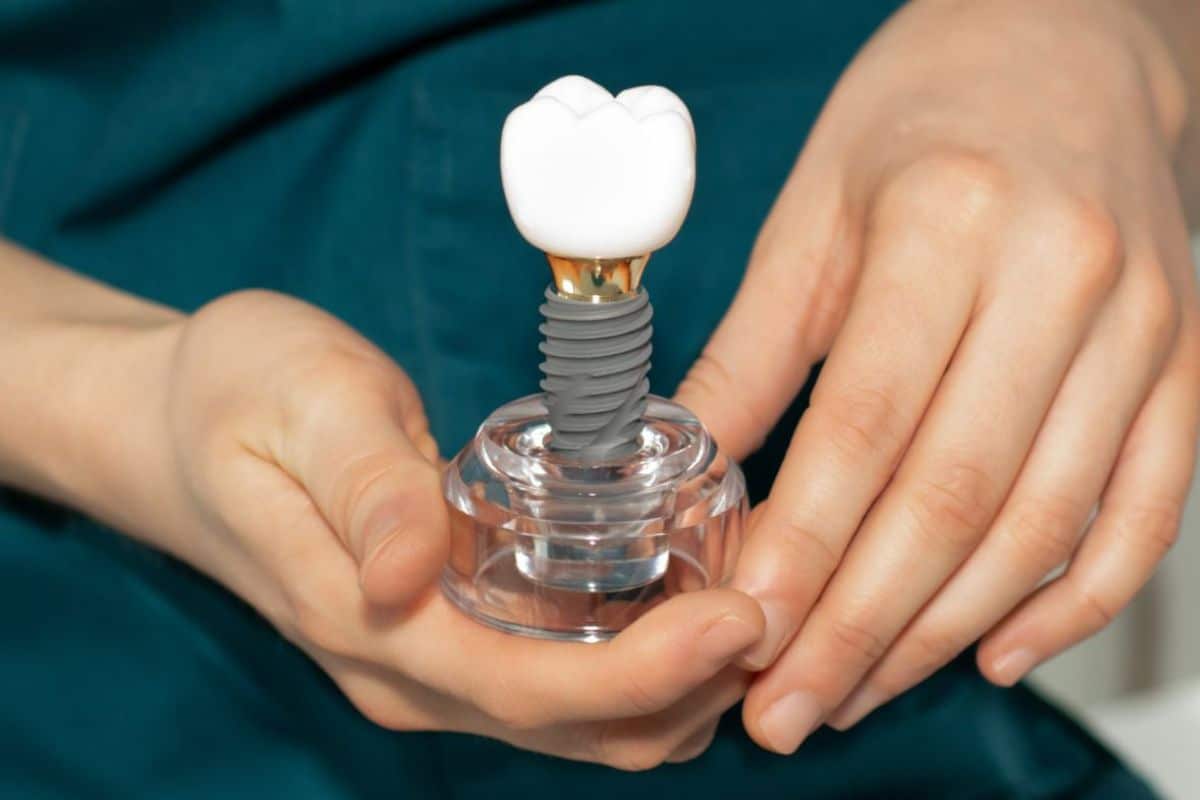
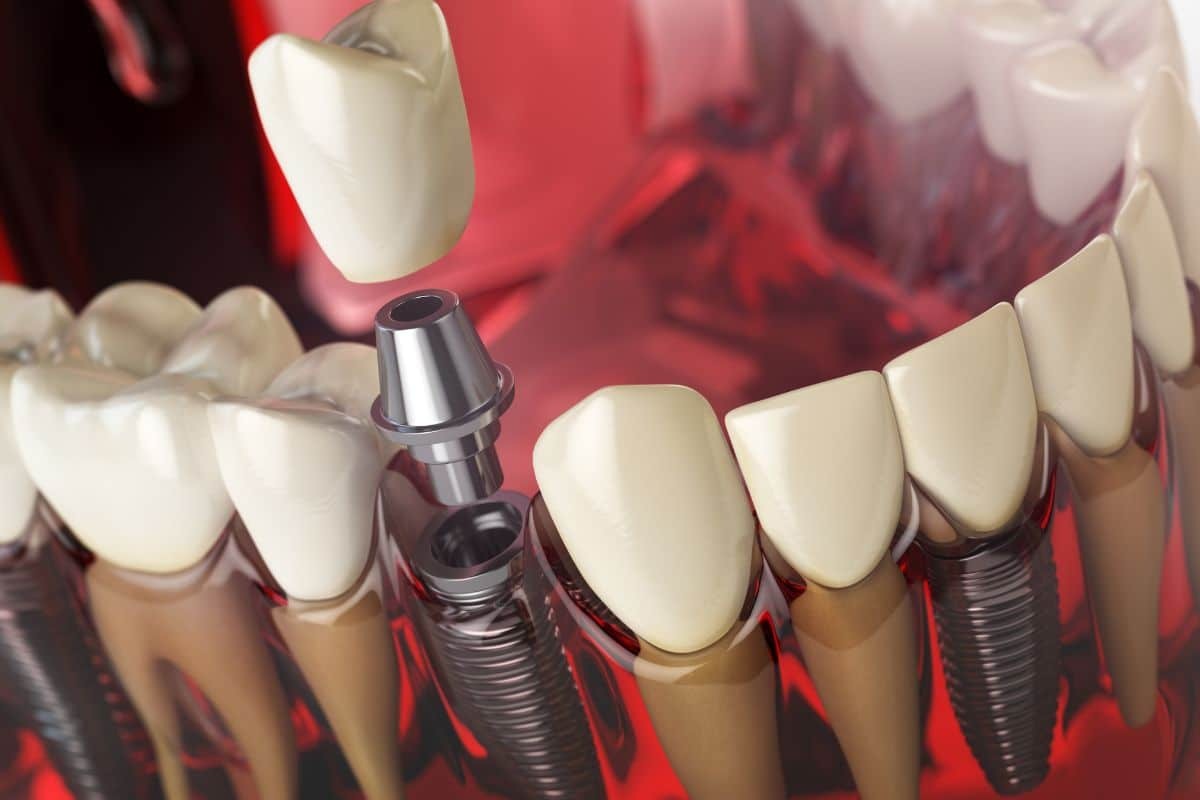
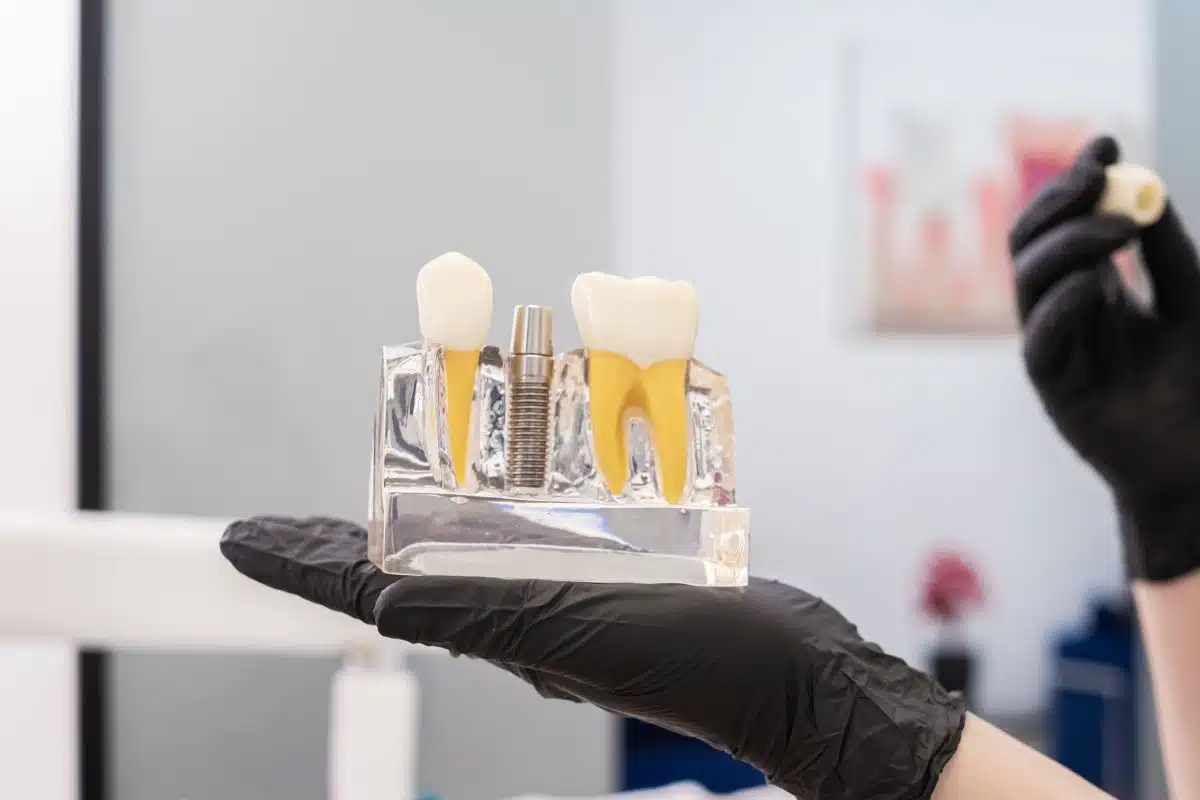
A dental implant is placed into the jawbone to support a replacement tooth. Because the implant needs adequate bone support, changes in the jawbone can influence how treatment is planned.
This does not mean every missing tooth needs to be replaced immediately. In some cases, the area needs time to heal after an extraction before an implant can be placed. In other situations, an implant may be considered soon after the tooth is removed.
The important point is that there is no single timeline that applies to everyone. Having the area evaluated can help you understand its current condition and whether waiting may affect your options.
Can Waiting Affect the Jawbone?
One of the biggest reasons timing matters is bone loss.
When a tooth is missing, the bone that once supported its root may gradually shrink. If enough bone is lost, there may not be sufficient support for an implant without additional preparation.
For some patients, this may mean a bone graft or another procedure is recommended before implant placement. These treatments can add healing time to the overall process.
That does not mean waiting automatically makes an implant impossible. It simply means that replacing a tooth after significant bone changes may require more planning than replacing it when adequate bone is still available.
What Happens to the Teeth Around the Empty Space?
The missing tooth can also affect the teeth around it.
Over time, neighboring teeth may shift toward the open space. This can change the way your teeth meet when you bite and may make the area more difficult to restore.
Changes can be gradual, and you may not notice them right away. That is another reason an evaluation can be useful even when the missing tooth is not causing discomfort.
Your dentist can monitor the area and help you understand whether the surrounding teeth and gums are changing.
Is It Too Late for an Implant if a Tooth Has Been Missing for Years?
Not necessarily.
A tooth that has been missing for a long time does not automatically rule out dental implants. The important question is whether your jawbone, gums, and surrounding teeth can support the treatment.
If bone loss has occurred, additional treatment may sometimes be recommended before an implant can be placed. Your dentist may also consider other factors, such as your overall oral health and the condition of the neighboring teeth.
So, even if you have waited several years, it is still worth having the area evaluated rather than assuming an implant is no longer an option.
When Should You Have a Missing Tooth Evaluated?
You do not have to wait until you experience pain before discussing a missing tooth with your dentist.
Consider having the area evaluated if:
- You recently had a tooth removed.
- A tooth has been missing for several months or longer.
- You notice your neighboring teeth changing position.
- Chewing feels different or more difficult.
- You are concerned about changes in the area.
- You are interested in dental implants but do not know if you are a candidate.
- You want to understand your options before deciding on treatment.
An evaluation does not mean you have to move forward with an implant. It simply gives you information about your current oral health and what may be involved if you decide to replace the tooth.
At Arbor View Dental Group in Roseville, CA, an evaluation can help determine the condition of the missing-tooth area, including the surrounding teeth, gums, and available bone. This information can help you understand whether dental implant treatment may be appropriate and what your potential treatment timeline could look like. If you have questions about replacing a missing tooth, contact us. We can provide information about your current oral health and what may be involved if you decide to replace the tooth.
What Is Considered During an Implant Evaluation?
The evaluation usually begins with an examination of the missing-tooth area. Your dentist may check your gums, neighboring teeth, bite, and the condition of the tissue around the space.
Dental imaging may also be used to examine the jawbone and surrounding structures. This can help determine whether there is enough bone to support an implant or whether additional preparation may be needed.
Your dentist can then explain the possible treatment timeline. Depending on your circumstances, this could involve allowing the extraction area to heal, preparing the bone, placing the implant, allowing it to heal, and then attaching the replacement tooth.
The exact process and timeline depend on the individual patient.
What Can You Do While Deciding?
If you are not ready to replace your missing tooth immediately, maintaining good oral health is especially important.
Continue brushing twice a day and cleaning between your teeth. Keep your regular dental visits so your dentist can monitor the missing-tooth area and the surrounding teeth. Taking care of your remaining teeth is also important because they may play a role in your future treatment options.
If you develop swelling, bleeding, pain, or another noticeable change around the area, have it evaluated rather than assuming it is simply part of having a missing tooth.
For patients considering tooth replacement, our experienced dental team can evaluate the missing-tooth area and explain what dental implant treatment may involve. Understanding the condition of your bone, gums, and surrounding teeth can help you make a decision based on your current oral health.
Why Replacing a Missing Tooth Should Not Be Ignored
A missing tooth may not feel like an immediate problem when it does not hurt. However, the mouth can continue to change after tooth loss. The jawbone may gradually shrink, and nearby teeth may shift into the empty space.
That does not mean you need to rush into treatment. Instead, it means it can be helpful to understand what is happening before deciding how and when to replace the tooth.
An evaluation gives you the opportunity to learn about the condition of the area, understand your options, and determine whether waiting is likely to affect your treatment plan.
Understanding the Right Time to Replace a Missing Tooth
Replacing a missing tooth is about more than filling an empty space. The condition of your jawbone, gums, and neighboring teeth can influence when treatment should happen and what preparation may be needed.
If you are considering dental implants to replace a missing tooth, having the area evaluated can help you understand your options before deciding on a treatment plan. For patients exploring dental implants in Roseville, CA, we can help you understand what your current oral health means for tooth replacement. Request an appointment to discuss your options.
Frequently Asked Questions
How long should I wait before replacing a missing tooth?
There is no set waiting period for everyone. The appropriate timing depends on why the tooth was removed, how the area is healing, the condition of the surrounding tissues, and whether there is enough bone for the planned treatment.
Does everyone experience bone loss after losing a tooth?
Bone changes are common after tooth loss, but the amount can vary from person to person. Your dentist can use an examination and appropriate imaging to evaluate the condition of the area.
Can I get an implant if my tooth has been missing for several years?
Possibly. Having a tooth missing for years does not automatically prevent you from getting an implant. However, if there has been significant bone loss, you may need additional treatment before implant placement.
Will I need a bone graft before getting an implant?
Not everyone needs a bone graft. It may be recommended when there is not enough healthy bone to provide the support needed for an implant. Your dentist can determine whether one is appropriate after evaluating the area.
Why should I have a missing tooth checked if it does not hurt?
A missing tooth does not always cause noticeable symptoms as changes occur. An evaluation can identify changes in the bone, gums, or neighboring teeth and help you understand your options before the situation becomes more complicated.