
Request Appointment
What Are the Secrets to Keeping Your Teeth for Life?

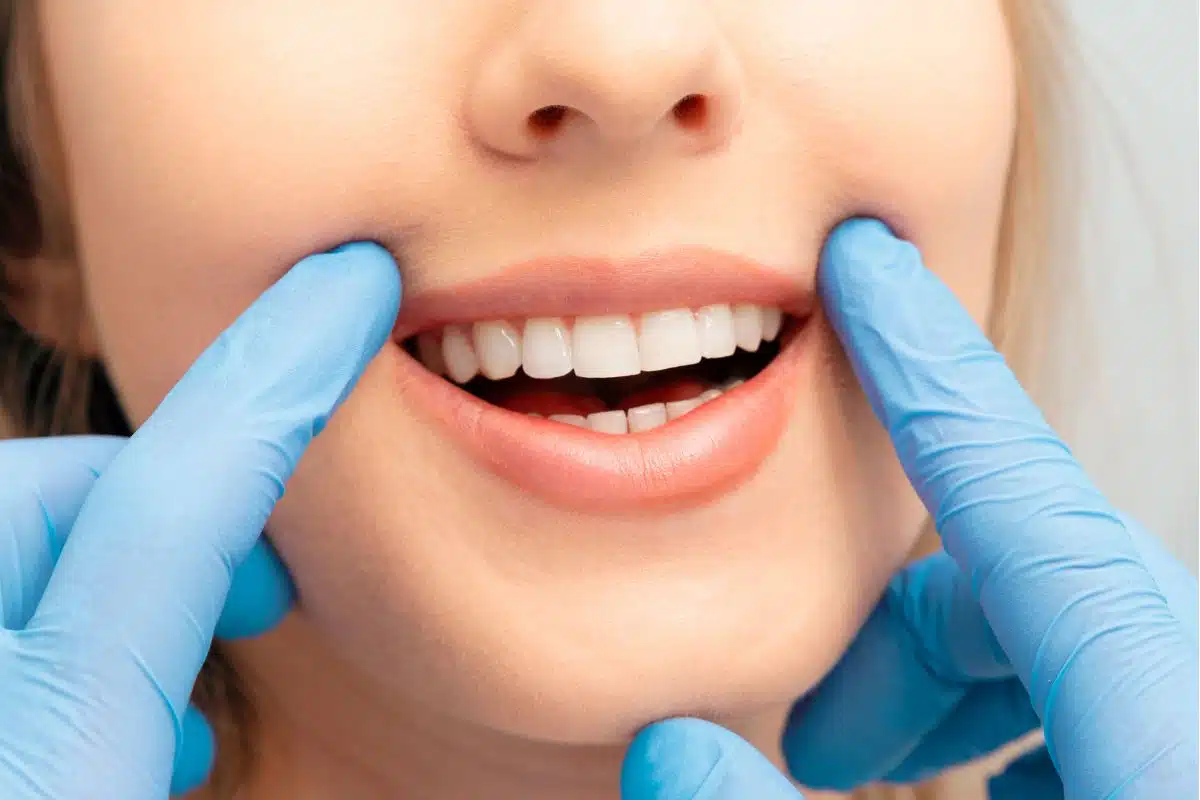
Keeping your teeth for a lifetime isn’t about having one magic solution — it’s about building consistent habits that protect your oral health day after day. The good news is that maintaining a healthy smile doesn’t have to be complicated. You can enjoy strong, beautiful teeth for life by following a simple four-step routine- brushing, flossing, rinsing, and visiting your dentist regularly.
Let’s break down each of these essential steps.
Brush
Brushing your teeth is the foundation of good oral hygiene. You should brush at least twice a day—once in the morning and once at night. Brushing three times a day is even better if you can fit it into your schedule. Always use a soft-bristled toothbrush and gentle pressure. Scrubbing too hard can damage your gums and wear away tooth enamel over time.
Each brushing session should last a minimum of two minutes, and it’s important to clean every surface of every tooth — the fronts, backs, and chewing surfaces. Three minutes is ideal. Choose a high-quality toothpaste, preferably fluoride, to help protect against decay. Your dentist can recommend the best type for your individual needs. Remember to keep your toothbrush clean and replace it every three months or sooner if the bristles begin to fray.
Floss
Flossing is as important as brushing and should be done at least once daily. While brushing removes plaque from the surfaces of your teeth, flossing targets the tight spaces between your teeth and under the gumline where a toothbrush can’t reach.
Flossing does more than remove food particles — it also eliminates bacteria that contribute to plaque and tartar buildup. Over time, if not removed, plaque hardens into tartar (also called calculus), which can lead to gum disease. Tartar cannot be removed by brushing or flossing alone and requires professional cleaning.
Be gentle when flossing to prevent gum injury. If you’re unsure how to floss properly or if traditional floss is challenging, ask your dental team for guidance. There are many options available, including floss picks, water flossers, and threaders, to make the process easier.
Rinse
Using a mouthwash is a great way to add protection to your oral hygiene routine. Therapeutic mouth rinses can help kill bacteria, reduce plaque, and lower your risk of gum disease, all while freshening your breath.
Choose a mouthwash that offers antimicrobial benefits and, if needed, contains fluoride to help strengthen your enamel. While rinsing should never replace brushing or flossing, it’s helpful in maintaining a clean, healthy mouth.
Visit Your Dentist Regularly
Routine dental visits are one of the most important steps you can take to keep your teeth for life. Visiting a dentist in Roseville for regular checkups and professional cleanings ensures that any issues are detected early and treated before they become serious.
At each cleaning appointment, your hygienist will remove plaque and tartar buildup that brushing and flossing alone can’t eliminate. This helps prevent gingivitis and more advanced gum disease, which can lead to tooth loss if left untreated.
In addition to cleanings, having a comprehensive oral exam twice a year is crucial. Your dentist will examine your teeth for cavities, assess your gum health, and look for signs of other conditions, such as oral cancer. These visits also provide an excellent opportunity to ask questions and receive personalized advice on caring for your teeth at home.
Final Thoughts
There’s no one-size-fits-all secret to lifelong oral health, but building a consistent routine with brushing, flossing, rinsing, and seeing your dentist regularly will set you on the right path.
At Arbor View Dental Group, we are dedicated to helping you maintain a healthy, confident smile for a lifetime. Whether it’s preventive care, cleanings, or personalized dental advice, our friendly and knowledgeable team is here to support your oral health every step of the way. Schedule your appointment today and take the first step toward keeping your teeth for life!