Request Appointment
Why Are My Teeth Still Yellow After Whitening?

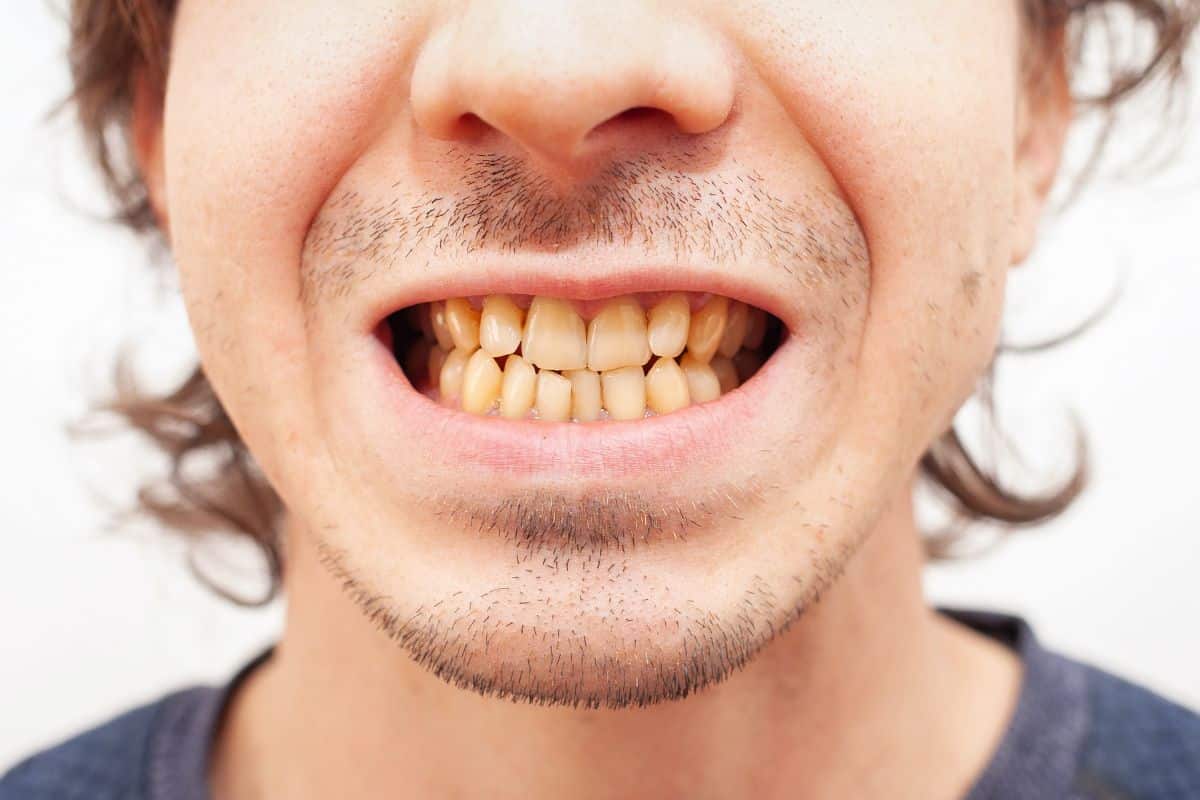
You went through the whole process, applied the strips, used the trays, maybe even tried a whitening toothpaste, and yet when you look in the mirror, your teeth still look a shade of dull yellow. Frustrating, right? You’re not alone. This is one of the most common concerns patients bring up at Arbor View Dental Group, and the good news is that there are real, clear reasons why whitening sometimes doesn’t give you the results you were hoping for.
Before you give up on a brighter smile, it’s worth understanding what’s actually going on. Whether you’re just starting to explore your options or you’ve already tried a few things without much luck, professional teeth whitening is often the missing piece, but even that works best when you know what you’re working with.
How Does Tooth Whitening Actually Work?
To understand why whitening might not be doing much for you, it helps to know a little about how the process works.
Your teeth have two main layers: the outer enamel and the inner dentin. Over time, both layers can pick up color from the foods and drinks you consume, certain medications, and just the natural aging process. Whitening treatments use a bleaching agent, usually hydrogen peroxide or carbamide peroxide, to break up those pigmented molecules and lighten the color.
The key thing to remember is that whitening works on the tooth structure itself, not on any dental work you may have, and it works better on some types of staining than others. That’s where things start to get more complicated.
Common Reasons Your Teeth Are Still Yellow After Whitening
1. You’re Dealing With Intrinsic Staining (Not Surface Stains)
There are two types of tooth discoloration: extrinsic and intrinsic.
Extrinsic stains sit on the outer surface of the enamel. These are caused by things like coffee, tea, red wine, and smoking. Most whitening products are designed to target these, and they generally respond well to bleaching.
Intrinsic stains are different. They live inside the tooth, within the dentin. These can result from exposure to certain antibiotics like tetracycline during childhood, excessive fluoride (a condition called fluorosis), trauma to the tooth, or just genetics. Whitening strips and most over-the-counter kits don’t reach intrinsic staining effectively. Even many professional treatments need more time and higher concentrations to make a meaningful difference, and some intrinsic stains may need alternative cosmetic solutions altogether.
If your discoloration is grayish, has a bluish tint, or has been there since childhood, intrinsic staining is likely the culprit.
2. You Used an Over-the-Counter Product
Store-bought whitening products are convenient and affordable, but they come with limitations. The bleaching agent concentrations in these products are much lower than what a dentist can use, and the application method, whether it’s a one-size-fits-all tray or a strip, doesn’t always make consistent contact with all tooth surfaces.
Uneven contact means uneven results. Some spots lighten while others stay the same, which can make discoloration look even more noticeable.
Professional-grade treatments use custom-fitted trays and higher-concentration gels that cover each tooth more evenly and penetrate deeper into the enamel. That’s a significant difference.
3. Your Diet Is Working Against You
If you’re still having that morning coffee, an evening glass of red wine, or sipping dark sodas regularly, you may be undoing your whitening progress faster than it builds. Highly pigmented foods and acidic drinks can stain the enamel quickly, especially right after a whitening session, when the enamel pores are temporarily more open.
Even healthier items like blueberries, balsamic vinegar, soy sauce, and certain fruit juices can contribute to staining over time. This doesn’t mean you need to give them all up permanently, but being mindful in the days following a whitening treatment can make a noticeable difference.
4. Medications and Health Conditions
Certain medications are known to cause tooth discoloration as a side effect. Tetracycline antibiotics taken during tooth development are one of the most well-known examples, producing a bluish-gray or brownish discoloration that sits deep within the tooth structure and resists standard whitening.
Antihistamines, antipsychotics, and some blood pressure medications have also been associated with tooth staining.
If medication is the root cause, whitening alone is unlikely to give dramatic results. A cosmetic consultation with your dentist can help you understand what alternatives like porcelain veneers or bonding might achieve the look you’re after.
5. You Have Crowns, Veneers, or Tooth-Colored Fillings
Dental restorations like crowns, veneers, bridges, and composite fillings are made from materials that don’t respond to whitening agents the way natural teeth do. If you’ve had any of these placed in visible areas, your natural teeth may lighten while the restorations stay the same shade, creating a noticeable mismatch.
This is something many patients don’t realize until after they’ve already gone through a whitening treatment. If you have restorations, it’s always a good idea to talk with your dentist first so you can plan your whitening treatment around them or discuss whether replacing existing restorations after whitening might help achieve a more uniform result.
6. Enamel Thinning or Erosion
As enamel wears down, whether from acidic foods, teeth grinding, or just aging the darker dentin layer beneath becomes more visible through the surface. This gives teeth a yellow or dull appearance that isn’t caused by surface staining at all. It’s structural.
Whitening a tooth with thin enamel won’t change that underlying color, and in some cases, the bleaching agent can actually increase tooth sensitivity when enamel is compromised. If you’ve noticed sensitivity during or after whitening, it could be a sign worth discussing with your dentist.
7. You’re Not Maintaining the Results
Even the most effective whitening treatment is temporary without proper maintenance. Results typically begin to fade after a few months if you don’t maintain good oral hygiene and make conscious choices about what you consume.
Using whitening toothpaste regularly, cutting back on staining foods and beverages, rinsing your mouth after meals, and getting touch-up treatments periodically can all help extend the results of your whitening treatment. Your dentist can also guide you on a maintenance plan that suits your lifestyle.
Ready to Get Real Answers About Your Smile?
If you’ve tried whitening and aren’t seeing the results you hoped for, it may be time to get a professional assessment. Every smile is different, and what works for one person may not be the right fit for another.
Request an appointment to have your teeth evaluated and determine what may be causing the discoloration. A professional assessment can help identify the underlying issue and guide you toward the treatment option that best fits your needs. Rather than continuing to guess, get the answers you need and take the next step toward a healthier, more confident smile.
What a Dentist Can Do Differently?
Professional teeth whitening goes well beyond what any store-bought box can offer. Your dentist evaluates the type and cause of your staining before recommending a treatment, which makes a huge difference in the outcome.
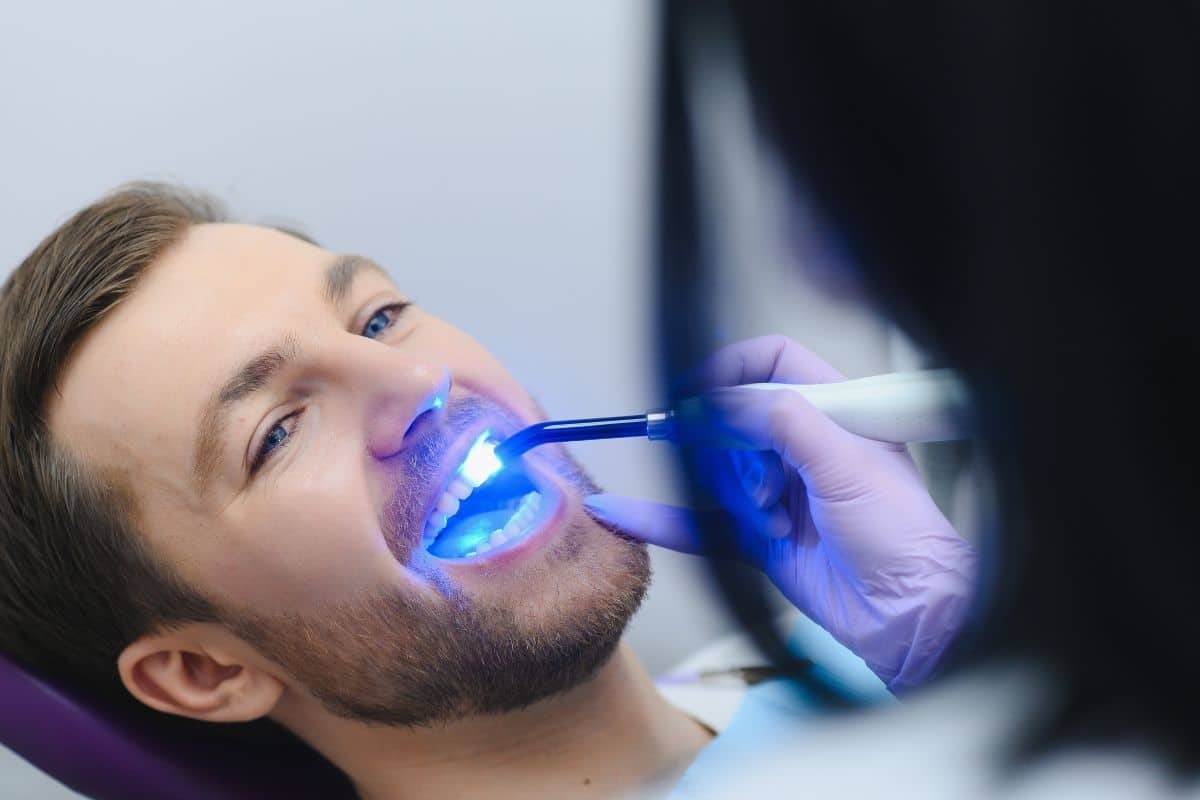
In-office whitening systems use higher concentrations of bleaching agents, often combined with light or heat activation, to produce faster and more dramatic results. Custom take-home trays from your dentist fit precisely to your teeth, ensuring full coverage and minimizing gum irritation.
For staining that doesn’t respond well to bleaching, your dentist may recommend alternatives like:
- Dental veneers: thin porcelain or composite shells that cover the front surface of the tooth for a permanently bright, even appearance
- Dental bonding: a tooth-colored resin applied to the tooth surface, ideal for covering small areas of stubborn staining
- Microabrasion: a technique used to remove superficial enamel discoloration caused by fluorosis or white spots
The bottom line is that a dentist can match the solution to the actual problem rather than applying a one-size-fits-all approach.
Tips to Make Your Whitening Results Last Longer
Once you’ve achieved the shade you want, keeping it requires some consistent habits. Here’s what actually helps:
- Watch what you eat and drink: If you can’t give up coffee or tea entirely, try drinking through a straw to reduce direct contact with your teeth. Rinse with water after consuming staining foods.
- Brush twice a day and floss daily: This isn’t groundbreaking advice, but it genuinely matters. Plaque buildup makes teeth look dull and creates a surface that stains cling to more easily.
- Use a whitening toothpaste for maintenance: Not as a replacement for a whitening treatment, but as an ongoing tool to manage surface discoloration between sessions.
- Stick to your dental cleanings: Professional cleanings remove the built-up surface deposits that even great brushing at home can’t fully address. This alone can significantly improve the brightness of your teeth over time.
- Ask about touch-up trays: Many dentists provide custom at-home trays after an in-office whitening treatment so you can do brief maintenance sessions at home every few months.
Keeping Your Smile Bright and Your Confidence Even Brighter
Discolored teeth after whitening aren’t a dead end; they’re usually a signal that a different approach is needed, and that’s completely fixable with the right guidance. Whether you’re dealing with deep-seated intrinsic staining, the effects of medications, or just residual discoloration that over-the-counter products couldn’t reach, there are real, effective solutions available.
At our dental office, we are committed to helping every patient understand the root cause of their smile concerns and find a path forward that actually works. Our team takes the time to assess your unique situation because not every yellow tooth has the same story, and your treatment shouldn’t be generic either.
For those looking for teeth whitening in Roseville or anywhere in the surrounding area, we’re here to ensure you get safe, effective results with care tailored to you. Visit our dental office, and let’s take a closer look at what your smile really needs. A whiter, healthier smile is more achievable than you think, and we’re here to help make it happen.
Frequently Asked Questions
Can I whiten my teeth if I have sensitive teeth or gum issues?
Yes, but check with your dentist first. Lower-concentration options and desensitizing gels can make the process more comfortable. Whitening with untreated gum disease isn’t recommended, so a quick check-up before you start is a good idea.
Is it safe to whiten teeth during pregnancy?
Most dentists advise waiting until after delivery. The ingredients are generally low-risk, but there isn’t enough research to confirm they’re completely safe during pregnancy. It’s a simple precaution worth taking.
How long should I wait between whitening sessions?
For in-office treatments, most dentists recommend waiting four to six weeks before repeating. Whitening too frequently can increase sensitivity and temporarily weaken enamel. Your dentist can suggest a schedule based on your results.
My teeth look more transparent at the edges after whitening. Is that normal?
That’s usually a sign of thin enamel, not a whitening side effect. It may have just become more visible after treatment. Talk to your dentist; dental bonding is often a good fix for this.
Can children or teenagers use teeth whitening products?
Whitening isn’t recommended for children. For teenagers, it’s best to wait until all adult teeth have come in, usually around age 14 to 16. A dentist consultation is the right starting point before trying any product.