Request Appointment
Understanding the Healing Process: Post-Implant Care with Your Specialist

Welcome to our blog post on understanding the healing process after dental implant surgery! If you’re one of the millions of people who have opted for dental implants, congratulations on taking a step towards restoring your smile and oral health. While the procedure itself is undoubtedly exciting, it’s important to remember that proper care and attention during the healing process are key factors in achieving optimal results.
Common Concerns After Implant Surgery
After undergoing a dental implant procedure, it’s natural to have some concerns about the healing process. One common concern is swelling and discomfort around the surgical site. It’s important to remember that this is a normal response as your body begins its healing journey. To manage swelling, your specialist may recommend applying ice packs and taking prescribed pain medications.
Another concern after implant surgery is bleeding at the surgical site. While some minor bleeding is expected initially, excessive or prolonged bleeding should be reported to your specialist immediately. They will provide you with instructions on how to control bleeding and promote clotting.
Patients often worry about infection following implant surgery. Fortunately, implant procedures have a high success rate when proper oral hygiene practices are followed post-surgery. Your specialist will provide detailed instructions on how to care for the surgical area and prevent infection through gentle brushing techniques and using an antimicrobial mouthwash.
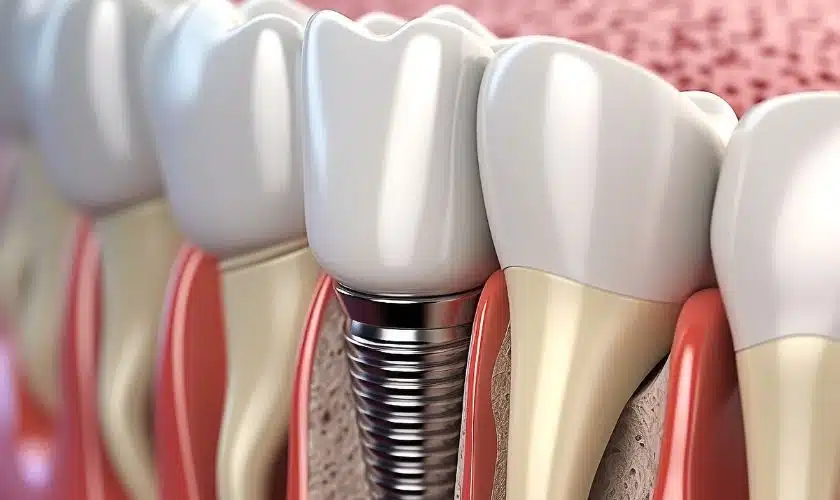
One of the most common concerns among patients is whether their dental implants will integrate properly with their jawbone over time. This process, known as osseointegration, typically takes several months but plays a crucial role in ensuring long-term stability for your dental implants.
Tips for Faster Healing and Recovery
1. Follow your specialist’s instructions: After dental implant surgery, your dentist will provide you with specific post-operative care instructions. It is crucial to follow these guidelines diligently to promote faster healing and recovery. These instructions may include information on medication, oral hygiene practices, and dietary restrictions.
2. Take it easy: Rest is essential for proper healing after implant surgery. Avoid strenuous activities that can put undue pressure on the surgical site. Take time off from work or any physically demanding tasks during the initial days of recovery.
3. Maintain good oral hygiene: Keeping your mouth clean is vital for preventing infection and promoting healing. Gently brush your teeth twice a day using a soft-bristle toothbrush recommended by your dentist. Be extra careful around the surgical area to avoid any damage.
4. Apply ice packs: Swelling is common after dental implant surgery, but applying ice packs can help reduce inflammation and discomfort in the first 48 hours following the procedure. Use an ice pack wrapped in a thin cloth and apply it gently to the outside of your cheek near the surgical site.
5. Don’t smoke or drink alcohol: Smoking delays wound healing due to reduced blood flow, while alcohol can interfere with medication effectiveness and increase bleeding risks post-surgery. Plan to abstain from smoking or drinking until you are fully healed.
Recommended Activities During the Healing Process
During the healing process after dental implant surgery, it’s important to take certain precautions and engage in activities that promote optimal healing. While each individual’s healing time may vary, there are some general guidelines that can help speed up the recovery process.
First and foremost, it’s crucial to listen to your dentist or oral surgeon’s instructions regarding post-implant care. They will provide you with specific guidelines tailored to your unique situation.
In terms of physical activity, it is generally recommended to avoid strenuous exercise or heavy lifting for the first few days following surgery. This helps minimize swelling and allows the surgical site to heal properly. However, light walks or gentle stretching can be beneficial as they promote blood circulation without putting excessive strain on your body.
Diet and Nutrition Recommendations for Optimal Healing
1. Eat a Balanced Diet: Include a variety of foods from different food groups in your meals. Consume plenty of fruits, vegetables, whole grains, lean proteins, and healthy fats. Avoid processed foods, sugary snacks or drinks as they can hinder the healing process.
2. Increase Protein Intake: Protein is crucial for tissue repair and regeneration. Incorporate protein-rich foods such as lean meats, poultry, fish, eggs, dairy products (if tolerated), legumes, nuts or seeds into your diet.
3. Stay Hydrated: Drink an adequate amount of water each day to help with hydration and circulation which aids in the delivery of nutrients to the surgical site.
4. Avoid Alcohol & Tobacco: Both alcohol consumption and smoking can delay the healing process by impairing blood flow and compromising the immune system’s ability to fight infections.
5. Supplement if Necessary: Consult with Arbor View Dental Group about any supplements that may aid in faster recovery such as vitamin C or zinc supplements known for their wound-healing properties.