Request Appointment
What Happens If You Delay A Root Canal? Risks And Consequences


Prompt dental care is essential for maintaining oral health, especially when dealing with infections. Postponing endodontic treatment (commonly referred to as a root canal) can lead to severe consequences, including tooth loss and systemic complications. Understanding the risks and symptoms is crucial to taking timely action.
In this blog, we delve into the dangers of delaying endodontic treatment, the symptoms signaling the need for intervention, and the steps involved in the Root Canals in Roseville procedure.
The Serious Risks of Delaying Endodontic Treatment
When you delay necessary dental care, the consequences can extend beyond discomfort. Here’s what may happen if you postpone a root canal:
1. Escalating Pain and Discomfort
A tooth infection typically causes pain that increases over time. This discomfort can become unbearable, affecting daily activities such as eating, speaking, or sleeping. Addressing the issue promptly prevents the pain from worsening.
2. Formation of Abscesses
An untreated tooth infection may result in an abscess, a pus-filled pocket at the root. Abscesses can lead to severe swelling in the gums or jaw, creating a risk for facial disfigurement and requiring emergency intervention.
3. Infection Spreading Beyond the Tooth
Postponing RCT or root canals in Roseville allows bacteria to spread beyond the infected tooth. This can lead to gum infections, jawbone damage, or systemic health issues. Severe cases might require hospitalization for the removal of infected tissue.
4. Systemic Inflammation and Health Risks
Oral infections can contribute to systemic inflammation, increasing the risk of health problems like cardiovascular disease or complications in individuals with pre-existing conditions, such as diabetes.
5. Persistent Swelling and Pressure
Prolonged tooth infections can lead to significant swelling and pressure around the affected area. This intensifies pain and affects the alignment of adjacent teeth and overall oral functionality.
6. Permanent Tooth Loss
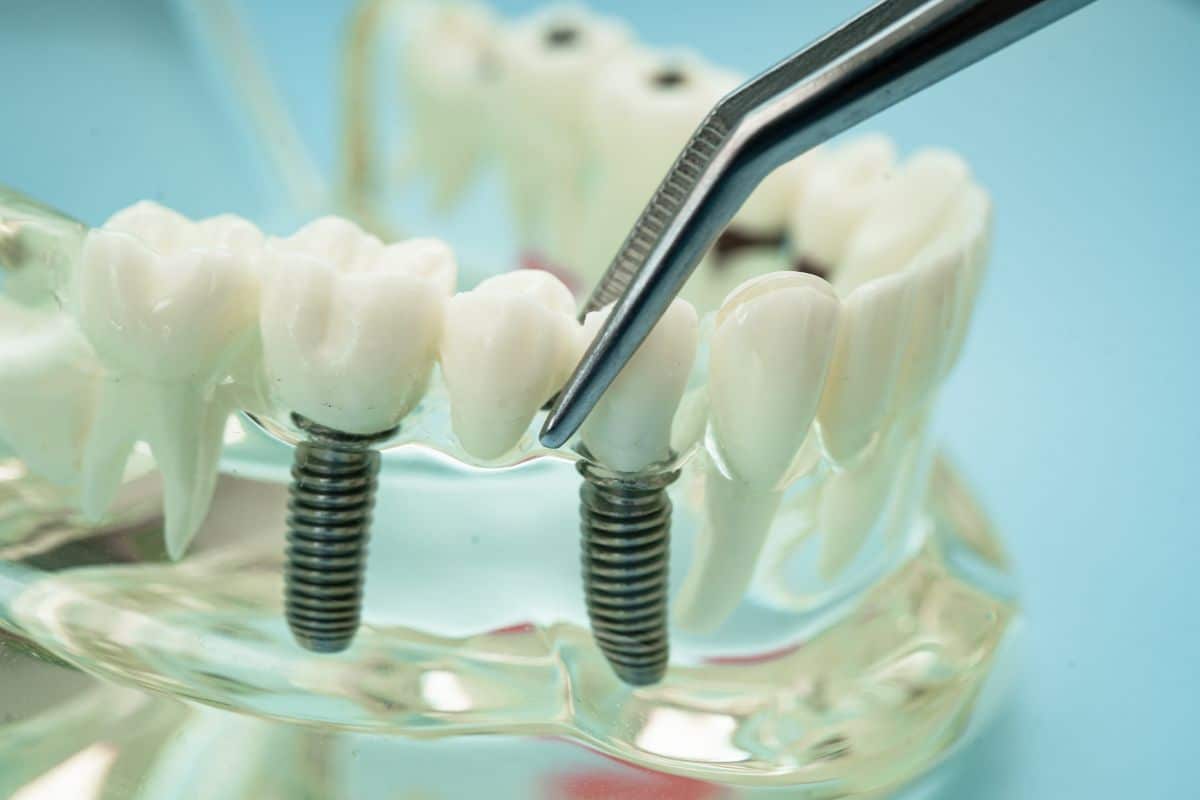
Delaying treatment may leave the tooth beyond repair. When this happens, extraction is often the only solution, leading to the need for more invasive and costly alternatives, such as dental implants or bridges.
Key Symptoms Indicating the Need for Endodontic Treatment
It’s important to recognize when a root canal is necessary. Watch for these warning signs:
- Constant, extreme throbbing pain around the affected tooth.
- Sensitivity to hot or cold foods and beverages.
- Gums that are swollen, tender, or show signs of redness.
- Darkening or discoloration of the tooth.
- The presence of a bump or pimple on the gum (indicative of an abscess).
If you notice one or more of these symptoms, consult a Roseville dentist or endodontist immediately for an evaluation.
Understanding the Root Canal Procedure
A root canal or endodontic treatment is designed to save an infected or damaged tooth while eliminating pain and infection. Here are the key steps involved:
- Diagnosis and Treatment Planning
The process begins with an X-ray to assess the extent of the infection. Your dentist or endodontist will create a personalized treatment plan. - Anesthesia for Comfort
A local anesthetic is used to numb the area to keep you comfortable during the treatment. - Removing the Infection
The infected pulp and surrounding tissues are carefully removed. The tooth’s inner chamber is cleaned and disinfected to eliminate all traces of bacteria. - Filling and Sealing the Tooth
After cleaning, the tooth is filled with a biocompatible material and sealed to prevent reinfection. - Restoring the Tooth’s Strength
A crown is often placed over the tooth to restore strength, functionality, and appearance.
This precise and efficient process alleviates pain and preserves your tooth’s natural structure.
Post-Treatment Care for a Healthy Recovery
Aftercare ensures a smooth recovery and long-lasting results following your root canal procedure. Here are some tips:
- Brush and floss gently around the treated tooth to maintain cleanliness.
- Avoid biting or chewing on hard foods until the crown is in place.
- Attend follow-up appointments to monitor the healing process.
- Notify your dentist if you experience swelling, persistent pain, or other unusual symptoms.
Postponing endodontic treatment can transform a manageable situation into a serious problem. Addressing the infection preserves your natural tooth, prevents further complications, and saves you from costly restorative procedures in the future.
For residents of Roseville, Arbor View Dental Group offers professional and compassionate care for tooth infection treatment and root canals. Don’t wait; Call us today at +1 916-780-2262 or visit us at 10014 Foothills Blvd, Roseville, CA 95747, United States.