
Request Appointment
What You Need to Know About Flossing? Guide from Our Roseville Dentist

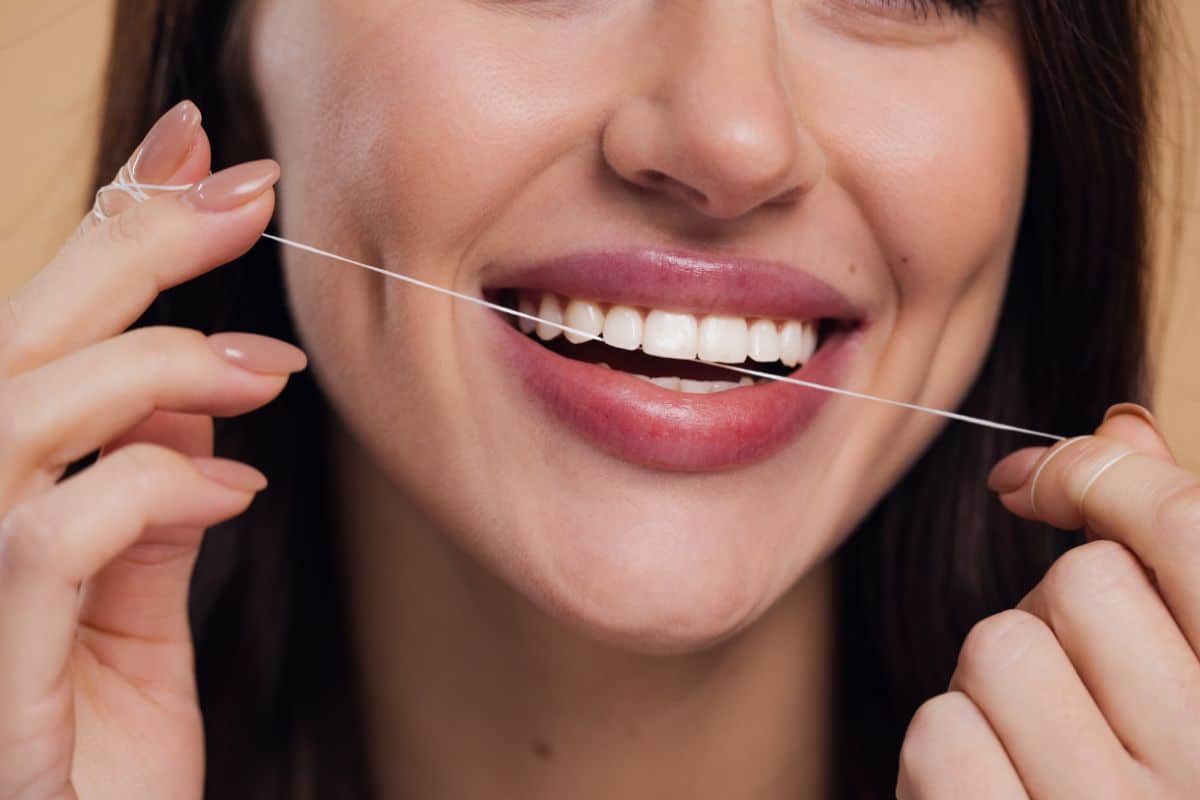
Most people brush their teeth every day without a second thought, but flossing? That’s where things often fall off track. Whether it’s because you forget, feel unsure about how to do it, or simply think brushing is enough, flossing is often skipped.
The truth is, brushing alone doesn’t clean everything. Even with professional dental care, there are small spaces between your teeth that a toothbrush just can’t reach. That’s where flossing comes in; it helps remove food particles and plaque hiding in those tight spots, keeping your mouth cleaner and healthier.
Why Flossing Really Matters?
Think about the tiny gaps between your teeth. These areas are ideal for plaque and food debris to accumulate. Over time, if they’re not cleaned properly, they can lead to problems like gum irritation and tooth decay.
Flossing helps:
- Remove the buildup that your toothbrush misses
- Keep your gums healthy
- Reduce the risk of cavities between teeth
- Support overall oral hygiene
It’s a small step that makes a big difference.
What Happens If You Skip Flossing?
Skipping flossing might not seem like a big deal at first, but over time, it can lead to noticeable issues.
You may experience:
- Bad breath that doesn’t go away easily
- Bleeding or swollen gums
- Increased plaque buildup
- Cavities forming between teeth
Ignoring these signs can eventually lead to more serious dental concerns, which could require more involved care.
How Often Should You Floss?
The general recommendation is to floss at least once a day. Many people prefer flossing at night to remove the day’s buildup before going to bed.
You can floss before or after brushing. What matters most is doing it consistently.
Step-by-Step Guide to Proper Flossing
Flossing doesn’t have to be complicated. Here’s a simple way to do it:
- Take about 18 inches of floss
- Wrap most of it around your fingers, leaving a small section to work with
- Gently slide the floss between your teeth
- Curve it around each tooth and move it up and down
- Use a clean section of floss for each tooth
Avoid snapping the floss into your gums; gentle movements work best.
Different Types of Floss: Which One Is Right for You?
Not all floss is the same, and choosing the right one can make the process easier.
- Waxed floss: Slides easily between tight spaces
- Unwaxed floss: Thinner but may shred more easily
- Floss picks: Convenient for quick use
- Water flossers: A good option for those who find traditional flossing difficult
The best choice is the one you’ll actually use consistently.
Tips to Make Flossing a Daily Habit
Building a new habit takes time, but a few small changes can help:
- Keep floss where you can see it
- Set a reminder until it becomes routine
- Pair flossing with brushing
- Use tools that feel comfortable for you
Consistency matters more than perfection.
When to Talk to Your Dentist About Flossing?
If flossing feels uncomfortable or your gums bleed often, it’s a good idea to ask your dentist for guidance. They can show you the right technique and recommend tools that suit your needs.
Request an appointment if you have questions about your daily routine or want help improving your oral care habits.
Get Healthier Gums Without the Hassle – Visit Arbor View Dental Group in Roseville, CA
Flossing may seem like a small part of your routine, but it plays a big role in keeping your smile healthy. With the right approach and consistency, you can protect your teeth and gums from common problems before they start.
At our dental practice, we’re here to help you maintain strong oral health with guidance that fits your daily life. If you’re looking for a dentist in Roseville who can support your routine with a long-term approach to care and personalized professional dental care, our team is ready to help.
Patient Queries About Flossing
Can flossing create gaps between my teeth?
No, flossing does not create gaps. It helps remove plaque and debris, which can actually make your gums healthier and reduce swelling.
Is it normal for floss to smell bad?
A bad smell can indicate trapped food or plaque between teeth. Regular flossing helps eliminate this issue over time.
Can I reuse dental floss?
It’s best to use fresh floss each time. Reusing floss can spread bacteria instead of removing them.
Should children floss their teeth too?
Yes, once teeth start touching, flossing becomes important for children as well. Parents may need help at first.
Does flossing help with teeth sensitivity?
Flossing can help reduce sensitivity caused by gum inflammation, but if sensitivity continues, it’s best to consult a dentist.