Request Appointment
How To Avoid Sensitivity After Teeth Whitening Treatment?

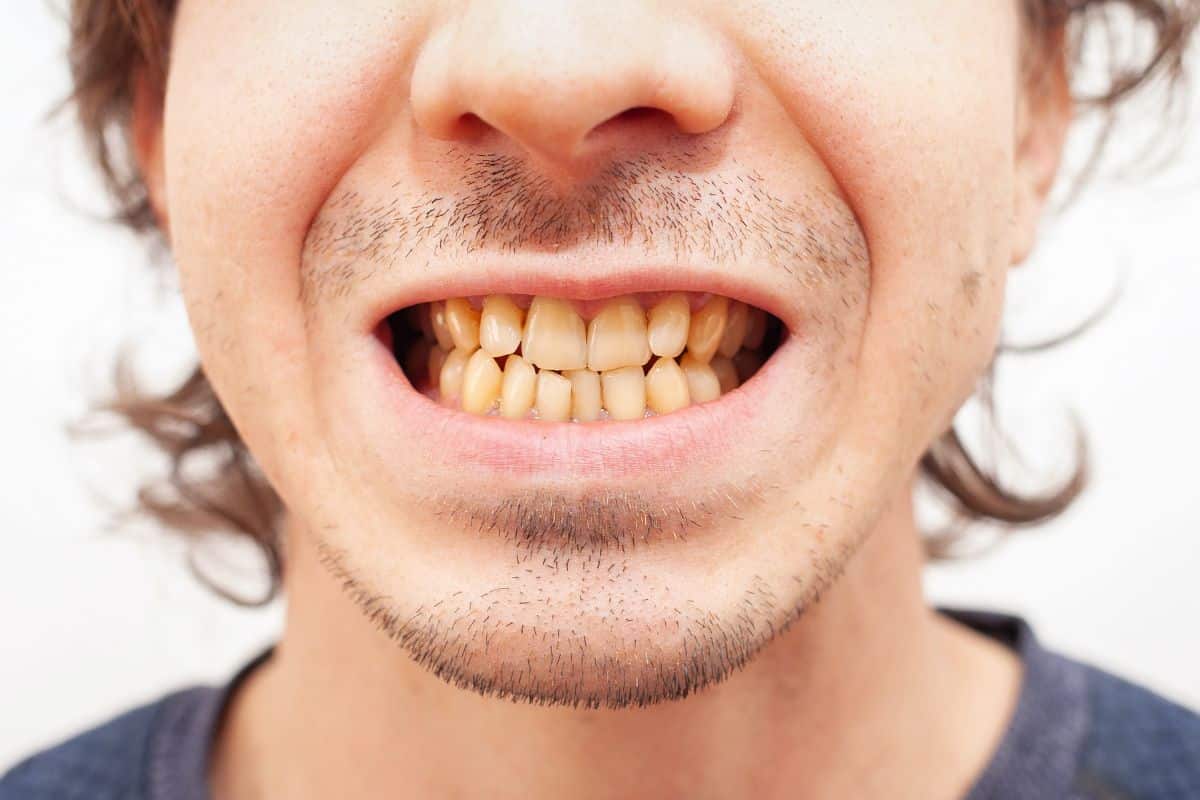
Teeth whitening treatments are a sought-after solution for achieving a radiant smile. Bright, white teeth enhance appearance and boost confidence, making the procedure popular among those aiming to remove stains and discoloration. The results can be transformative through professional teeth whitening or at-home options.
However, some individuals may experience temporary sensitivity after teeth whitening treatment. This sensitivity can make everyday activities like eating or drinking slightly uncomfortable. Thankfully, with the proper steps, you can minimize sensitivity and maintain your bright smile without disruption. This guide will help you understand why sensitivity happens and provide actionable tips to manage it effectively.
What Is Teeth Whitening?
Teeth whitening is a cosmetic dental procedure designed to brighten teeth by removing stains and discoloration. Teeth whitening often involves the application of bleaching agents like hydrogen peroxide or carbamide peroxide, which penetrate the enamel to break down deep-set stains.
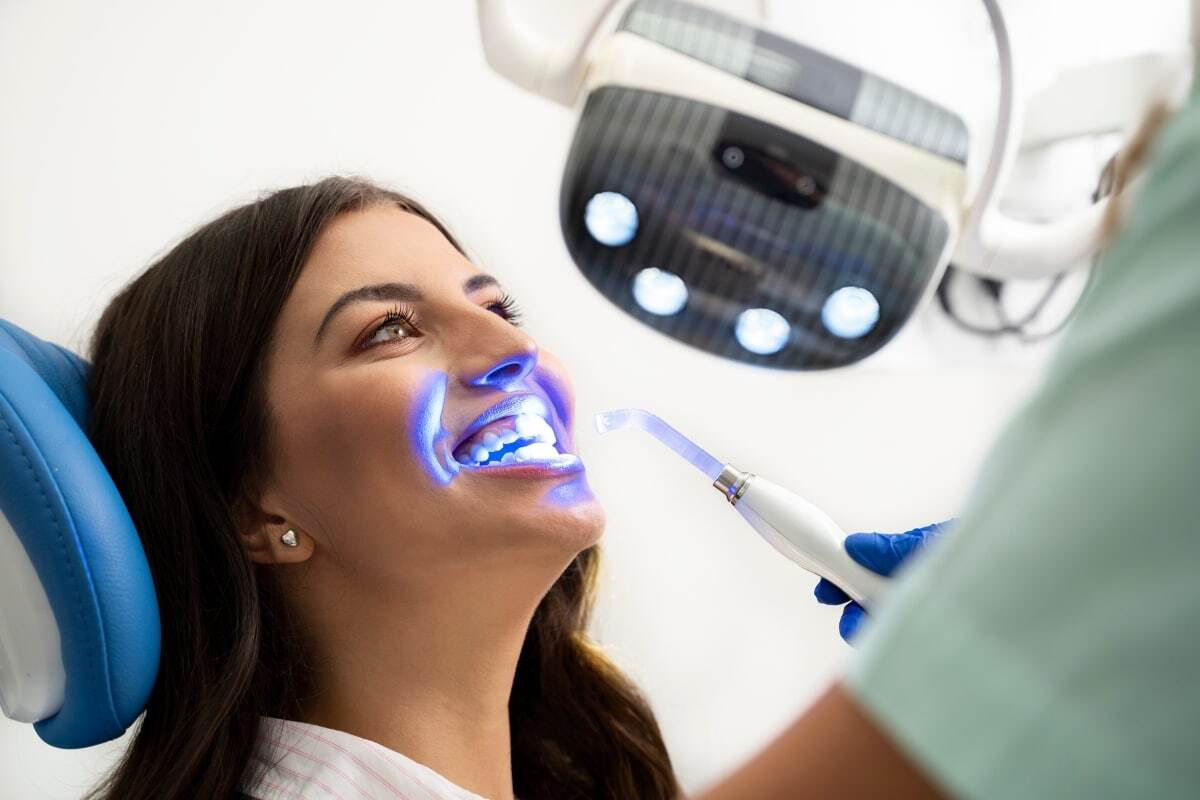
Reliable tooth whitening, including advanced techniques like laser teeth whitening, is more effective than over-the-counter options. These methods deliver more noticeable results and ensure a safer process when performed under expert supervision. While effective, the bleaching agents can temporarily expose sensitive dentin beneath the enamel, leading to tooth sensitivity. Proper post-treatment care is essential to manage this.
Causes of Sensitivity After Tooth Whitening
Tooth sensitivity after whitening is not uncommon and usually subsides within a few days. Here are the primary causes:
Exposed Dentin: Whitening agents can temporarily strip the enamel, exposing the dentin, the layer connected to nerve endings.
Dehydration of Teeth: Whitening treatments often dry out the teeth, making them more reactive to temperature changes or acidic foods.
Irritated Gums: Bleaching agents sometimes irritate gums, mainly if misapplied or in excess.
Intense Whitening Agents: High-concentration bleaching solutions may heighten sensitivity for individuals with naturally thinner enamel or pre-existing issues.
Understanding these causes helps you take proactive steps to minimize sensitivity while maintaining the results of your whitening treatment.
Tips to Avoid Sensitivity After Whitening
Experiencing sensitivity after whitening doesn’t have to be an inevitable discomfort. Here are practical tips to prevent and manage it:
1. Brush with a Desensitizing Toothpaste
Desensitizing toothpaste is formulated to block pain signals from teeth to nerves. For maximum effect, incorporate it into your routine before and after whitening.
2. Apply a Desensitizing Gel
Desensitizing gels are excellent for soothing irritated teeth. These can be applied directly to sensitive areas under the guidance of your dentist.
3. Take Pain Medication
Over-the-counter pain relief, such as ibuprofen, can help alleviate discomfort. Follow recommended dosages for safe and effective relief.
4. Avoid Hot and Cold Foods and Drinks
Extreme temperatures can trigger sensitivity in recently whitened teeth. Stick to lukewarm meals and drinks to avoid discomfort.
5. Avoid Acidic Foods and Drinks
Foods like citrus fruits, tomatoes, and sodas can weaken enamel and worsen sensitivity. Choose non-acidic alternatives instead.
6. Continue Using a Desensitizing Toothpaste
For lasting protection, use a desensitizing toothpaste regularly, even after sensitivity subsides, to maintain tooth strength.
7. Brush Gently
Aggressive brushing can damage enamel further. Opt for a soft-bristled toothbrush and gentle circular motions to clean your teeth.
8. Use Fluoride Products
Fluoride strengthens enamel and reduces the risk of sensitivity. Fluoride mouthwashes or gels are excellent additions to your routine.
9. Drink Through a Straw
Using a straw minimizes contact between sensitive teeth and beverages, reducing potential discomfort and exposure to staining agents. By incorporating these steps, you’ll alleviate sensitivity and extend the life of your whitening results.
Why Addressing Sensitivity Matters?
Ignoring sensitivity after a whitening procedure can lead to prolonged discomfort and even dental complications in some cases. Proactively managing sensitivity helps ensure that your whitening investment pays off with minimal disruption to daily life.
Your dentist may recommend professional treatments tailored to your needs, ensuring your bright smile remains healthy and comfortable. With consistent care and these tips, you can confidently enjoy the benefits of a whiter smile without concern.
Tooth whitening is a powerful way to enhance your smile, but sensitivity doesn’t have to be part of the process. By following these tips, you can protect your teeth, minimize discomfort, and prolong the brightness of your whitening treatment. Addressing sensitivity early ensures that your cosmetic dentistry results are beautiful and comfortable.
If you’re considering teeth whitening or need assistance managing sensitivity, Arbor View Dental Group is here to help. Contact us today at 916-780-2262 or visit us at 10014 Foothills Blvd, Roseville, CA 95747 USA