Request Appointment
How to Recognize a Tooth Abscess?

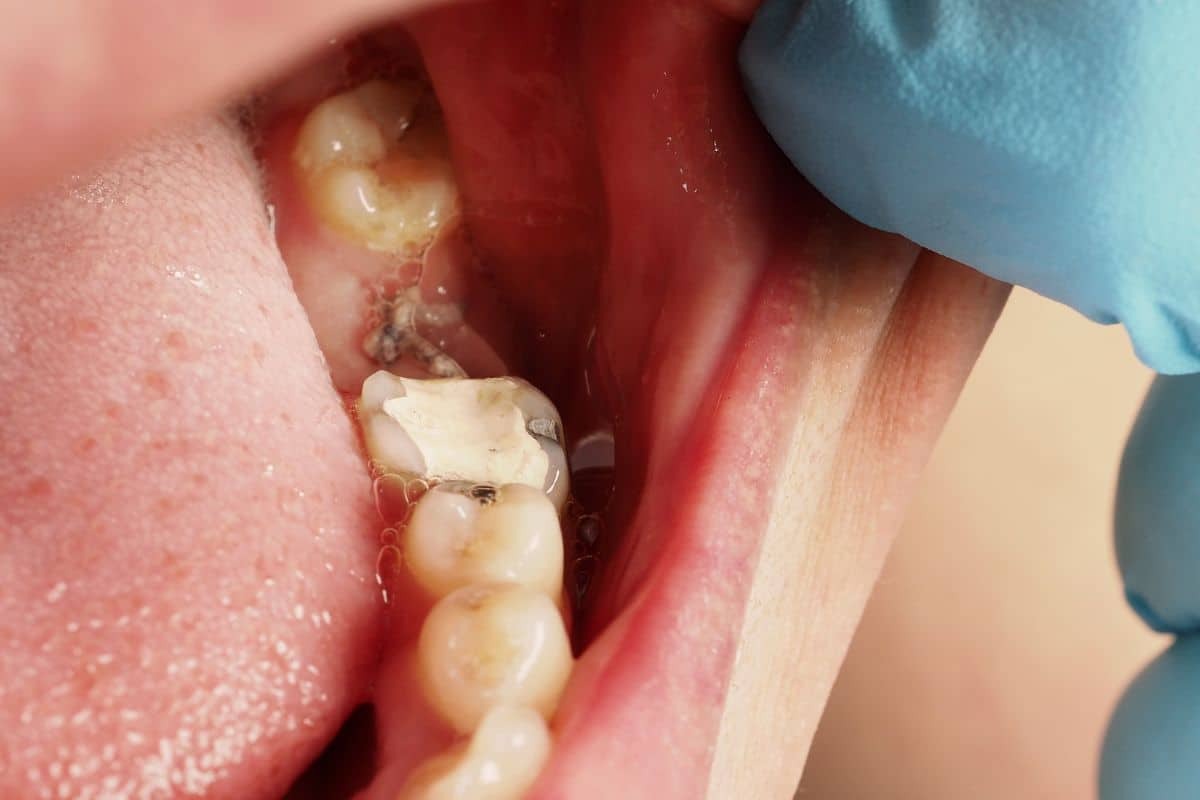
Tooth pain can show up in many forms, but when the discomfort becomes sharp, persistent, or is paired with swelling, it might be a sign of something more serious—a tooth abscess. A tooth abscess is an infection that forms inside the tooth or gums, and knowing how to recognize it early can help you avoid complications and get the relief you need quickly. Here’s how to recognize the signs before the infection spreads or becomes harder to treat.
What Exactly Is a Tooth Abscess?
A tooth abscess occurs when bacteria enter the inner part of the tooth or the surrounding gum tissue, forming a pocket of pus. This infection can develop from deep cavities, gum disease, or even a cracked tooth.
There are two common types:
- Periapical abscess – forms at the tip of a tooth root
- Periodontal abscess – forms in the gums beside the tooth
While they develop differently, both require attention because the infection won’t go away on its own.
Common Symptoms You Should Never Ignore
Recognizing the early signs can make a big difference. Some symptoms may start mildly but can worsen quickly:
Persistent, throbbing tooth pain
This is often the first and most noticeable symptom. The pain may radiate to your jaw, ear, or neck.
Sensitivity to hot or cold
When the tooth nerve is irritated by infection, even mild temperature changes can cause sharp discomfort.
Swelling in the gums or cheek
This swelling can appear slowly or suddenly. It often means the infection is spreading.
Fever or general discomfort
Your body may react to the infection by increasing your temperature.
A bad taste or smell in your mouth
Pus draining from the abscess can cause a foul taste, which is a clear sign of infection.
A small bump on the gums
Sometimes a pimple-like bump appears near the infected tooth. This “draining fistula” indicates that pus has found a way out.
If you notice any combination of these symptoms, it’s wise to get an evaluation as soon as possible.
How Does a Tooth Abscess Affect Your Overall Health?
A tooth abscess doesn’t stay isolated forever. The infection can spread to surrounding tissues, causing jaw swelling, sinus irritation, or difficulty swallowing. In rare cases, untreated infections may travel to other parts of the body, making early recognition even more important. Understanding these risks helps highlight why acting quickly is the safest choice.
What Causes a Tooth Abscess?
A few everyday issues can increase your chances of developing an abscess, including:
- Untreated cavities
- Poor oral hygiene
- Gum disease
- Cracked or chipped teeth
- Past dental trauma
Even a minor untreated cavity can eventually lead to deeper infection if bacteria reach the tooth’s inner layers.
When to See a Dentist Immediately?
If your tooth pain becomes severe, your face begins to swell, or you have a fever along with dental discomfort, it’s important to seek care right away. A tooth abscess will not go away by rinsing or waiting it out. Getting timely treatment prevents the infection from worsening and protects surrounding teeth and tissues.
How Dentists Diagnose an Abscess?
Dentists typically diagnose an abscess through:
- A simple visual exam
- Gentle tapping to check for pain
- X-rays to see where the infection is forming
These steps help determine the exact location of the infection and the most appropriate treatment.
Treatment Options to Expect
Once diagnosed, treatment focuses on eliminating the infection and restoring your oral health. Depending on the severity, your dentist may recommend:
Draining the abscess
Removing the pus helps relieve pressure and pain.
Root canal treatment
This cleans the inside of the tooth and removes the infection while saving the tooth.
Deep cleaning
If the abscess is gum-related, a deeper cleaning may help remove bacteria from beneath the gums.
Antibiotics
These help control the infection, especially if it has begun to spread.
Tooth extraction
If the tooth is severely damaged, removal may be the safest option.
Preventing a Tooth Abscess
Good daily habits go a long way:
- Brush twice a day
- Floss daily
- Avoid ignoring early tooth pain
- Schedule routine dental checkups
These steps help catch problems before they progress into a painful abscess.
Get Relief from Tooth Pain – Visit Arbor View Dental Group
If you’re experiencing symptoms of a possible tooth abscess, the safest thing you can do is get it checked before it becomes a bigger problem. Arbor View Dental Group is here to help you restore your oral health comfortably and confidently.
To get started, request an appointment today. We proudly welcome patients from Roseville, CA, and the surrounding community.