Request Appointment
Does Teeth Whitening Work on All Stain Types?

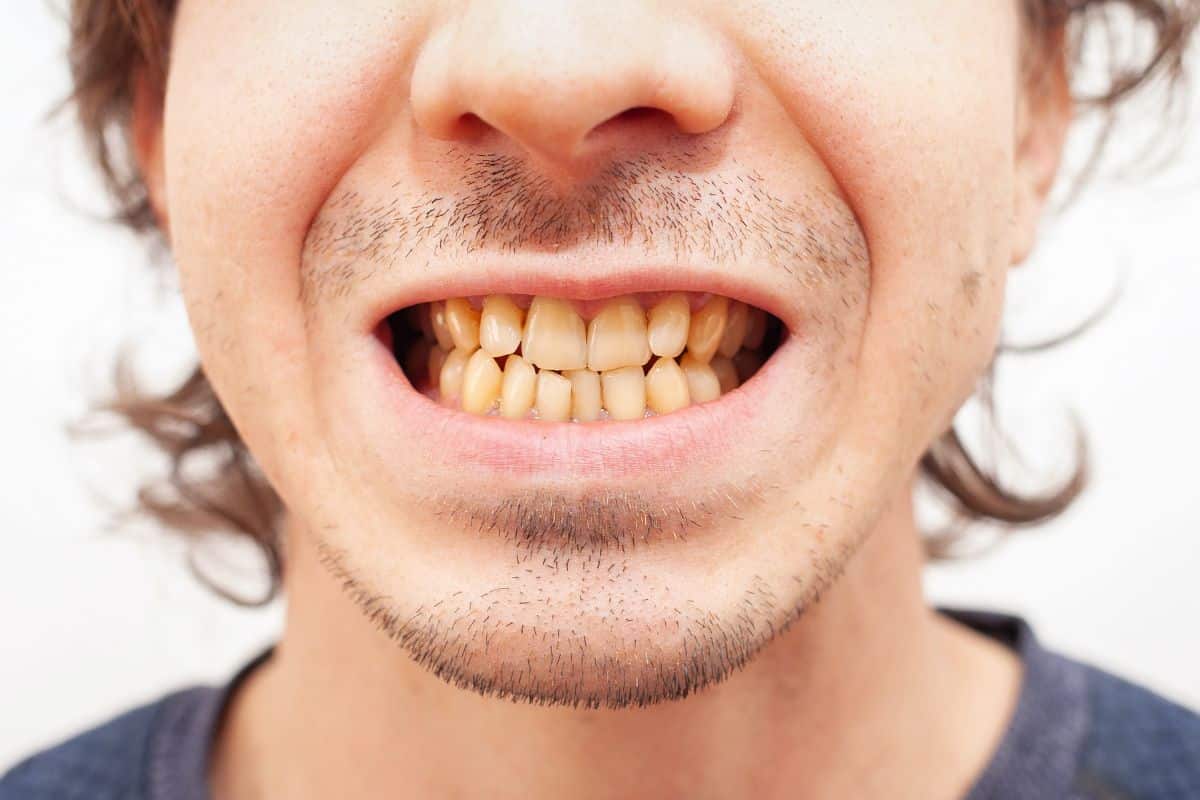
A brighter smile is something many people want, but it’s common to wonder whether whitening treatments work the same for everyone. Teeth don’t all stain the same way, and that’s why results can look different from person to person. Understanding how stains form can help set realistic expectations before starting any teeth whitening option.
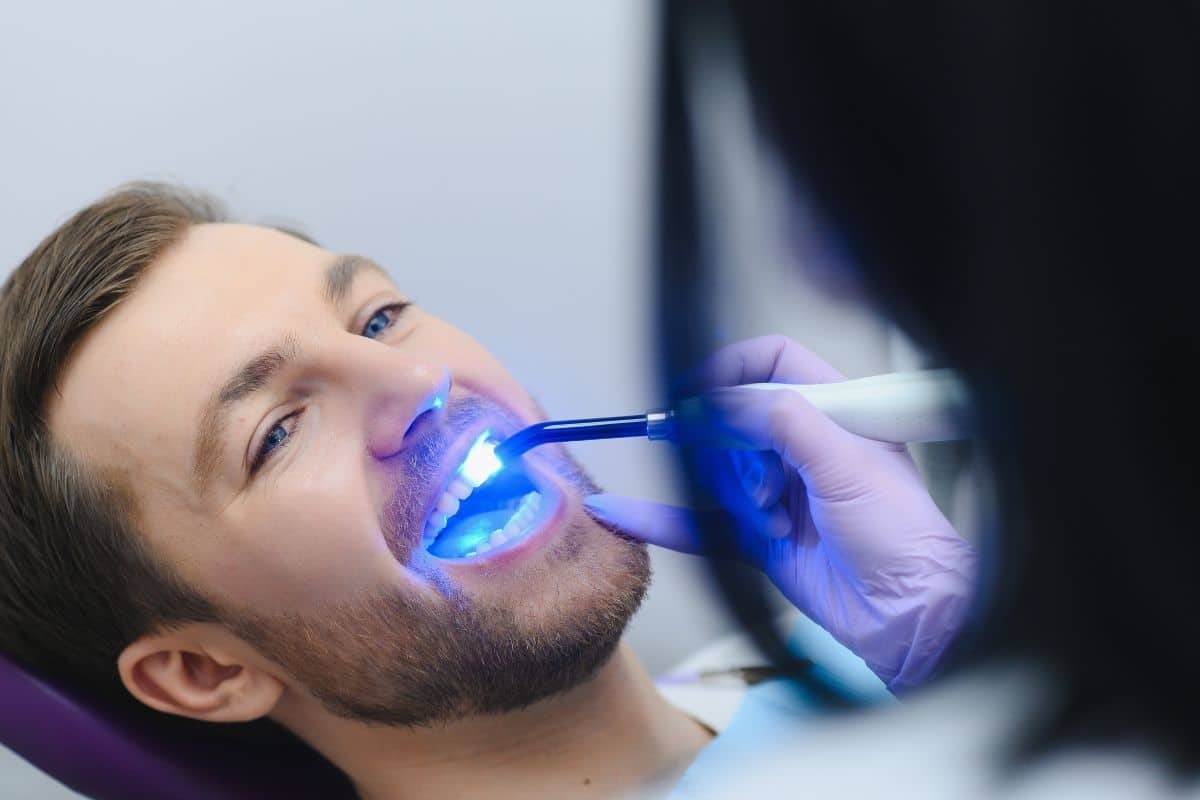
In general, teeth whitening works by breaking down stain molecules so teeth appear lighter. Many people turn to professional teeth whitening because it’s designed to address discoloration more effectively than over-the-counter products. However, even professional treatments can yield different outcomes depending on the type of stain and the cause.
Understanding Why Teeth Stains Happen
Tooth stains build up over time from everyday habits. Drinks like coffee, tea, and red wine, as well as foods that contain strong pigments, can leave residue on tooth surfaces. Smoking and tobacco use also play a major role. Aging adds another layer, as enamel naturally thins and reveals more of the underlying dentin.
Types of Tooth Stains Explained
Not all stains are the same, and this matters when it comes to whitening results.
Extrinsic Stains
These stains sit on the outer surface of the tooth. They’re usually caused by food, drinks, or smoking. Extrinsic stains tend to respond the best to whitening because they haven’t penetrated deep into the tooth.
Intrinsic Stains
Intrinsic stains develop inside the tooth structure. They can be caused by trauma, certain medications, or excessive fluoride exposure during childhood. Because these stains are deeper, whitening may only offer limited improvement.
Age-Related Stains
As we age, enamel wears down, and dentin becomes more visible. These stains are a mix of surface and internal discoloration, which means results can vary depending on overall tooth health.
How Does Teeth Whitening Work?
Whitening treatments use gentle bleaching agents that penetrate enamel and break apart stain molecules. This process can be effective for many people, but it doesn’t change the natural color of the tooth itself. That’s why whitening works better on some stains than others.
Which Stains Respond Best to Whitening?
Surface stains caused by food, drinks, or smoking usually show noticeable improvement. Yellow-toned discoloration often responds better than gray or brown shades. Deeper stains, especially those linked to medication or injury, may not lighten as much.
If you’re unsure what type of stains you have, it’s helpful to talk with a dental professional who can explain what kind of results are realistic. If you have questions about your options, feel free to request an appointment for guidance and clarity before deciding on any treatment.
When Teeth Whitening May Not Be Enough?
Whitening doesn’t change the color of fillings, crowns, or veneers. Teeth with thin enamel or uneven discoloration may also see mixed results. In these cases, whitening alone may not fully address the concern, and expectations should be adjusted accordingly.
Maintaining Whitening Results
Once teeth are lighter, daily habits play a big role in keeping them that way. Limiting stain-causing foods and drinks, brushing regularly, and staying consistent with dental cleanings can help maintain results longer.
Get a Brighter Smile with the Right Approach – Visit Arbor View Dental Group
Teeth whitening can be effective, but results depend on the type and depth of staining. Understanding these differences helps you make informed decisions about your smile. If you’re exploring Teeth Whitening in Roseville, knowing what to expect can make the process smoother and more satisfying.
If you’d like personalized guidance based on your teeth and goals, visit our dental office to learn more about your options and take the next step toward a healthier-looking smile.