
Request Appointment
Can Oral Piercings Damage Your Smile? Professional Advice from Dentists

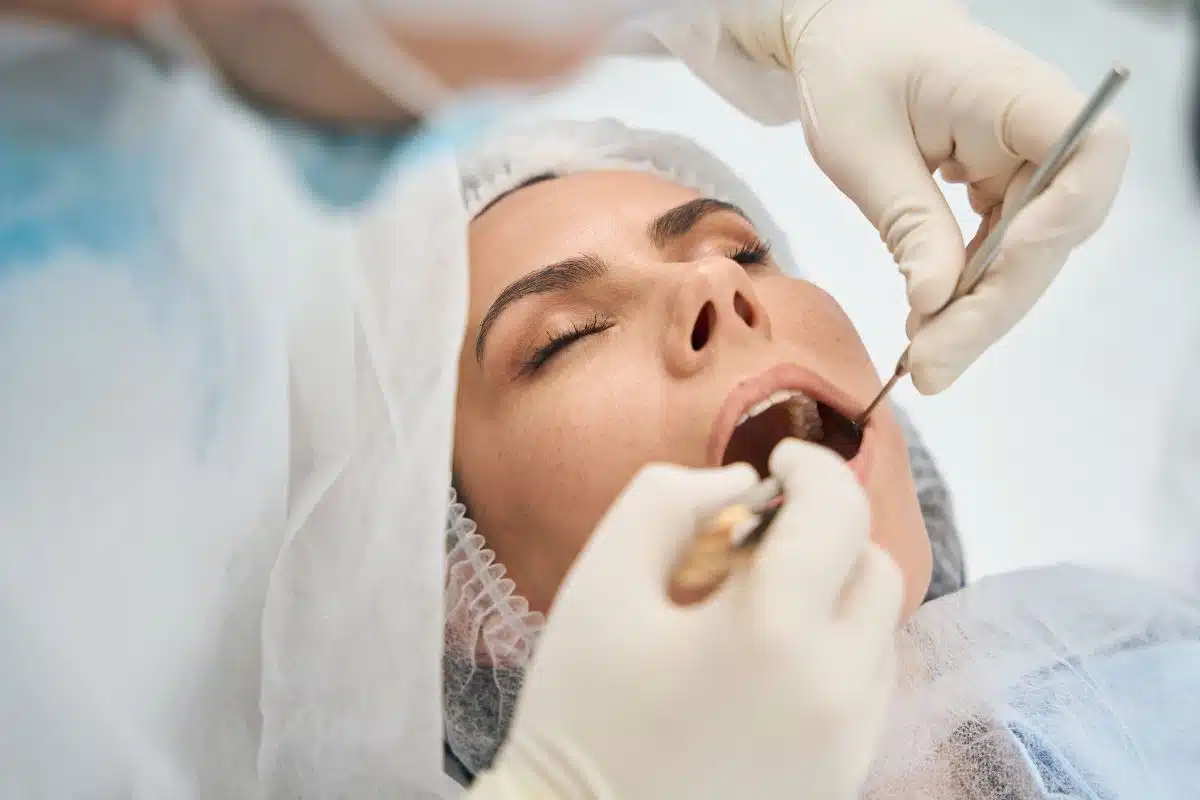
Oral piercings—on the tongue, lip, or cheek—are more than fashion statements. For many, they are potent symbols of self-expression. However, while they may look trendy, oral piercings can pose serious risks to your dental health. If you’re considering getting pierced or already have one, it’s essential to understand how these small accessories can significantly impact your smile.
In this blog, we’ll explore the potential dental complications of oral piercings and provide professional advice to help you keep your teeth and gums healthy.
Common Dental Risks Linked to Oral Piercings
While oral piercings may seem harmless at first, if not managed carefully, they can result in several dental and oral health problems.
1. Chipped or Cracked Teeth
Constant contact between metal jewelry and your teeth can lead to chips, cracks, or even fractures. Tongue piercings are especially problematic, as they often hit against the teeth during talking or chewing. Repairing damaged teeth can be costly and may require procedures like dental bonding or crowns.
2. Gum Recession
Oral jewelry can rub against your gums, especially if it’s on the lip or tongue, causing gum tissue to wear away. Receding gums expose tooth roots, increasing sensitivity and a higher risk of tooth decay and loss over time.
3. Infection
The mouth is home to millions of bacteria; any open wound—like a fresh piercing—creates an entry point for these bacteria. Without proper care, an infection can develop quickly and lead to swelling, pain, and in severe cases, more serious health issues.
4. Nerve Damage
In some cases, tongue piercings can lead to nerve injury, causing prolonged numbness or altered sensation in the tongue. While this may be temporary, there is a risk that the damage could become permanent.
5. Allergic Reactions
Some people experience allergic reactions to the metals used in piercing jewelry, particularly those containing nickel. This can result in swelling, irritation, or painful inflammation in and around the piercing site.
6. Damage to Dental Work
Oral piercings can interfere with existing dental restorations. When exposed to repeated contact with metal jewelry, crowns, veneers, and fillings are especially vulnerable to chipping or breaking.
What Dentists Recommend for Piercing Safety?
If you already have an oral piercing or plan to get one, preventive measures are crucial for maintaining your dental health.
Choose Safe, High-Quality Jewelry
Select biocompatible materials, such as titanium, surgical-grade stainless steel, or niobium. These reduce the risk of irritation and allergic reactions. Avoid jewelry with low-grade metals that may contain harmful alloys.
Practice Excellent Oral Hygiene
Brushing and flossing regularly help prevent plaque buildup and infections. Use an alcohol-free mouthwash to rinse after meals and avoid harsh chemicals that may irritate the piercing. A dentist also recommends using a soft-bristle toothbrush and replacing it frequently to prevent bacterial contamination near the piercing.
Avoid Playing with Your Piercing
It’s common for people to unconsciously twist or bite their jewelry, but this habit can wear down enamel and damage teeth. Be mindful of your actions to protect your smile from unnecessary harm.
Remove Jewelry During Physical Activity
To prevent injury, remove oral jewelry before sports or workouts. Though mouthguards can offer protection, temporarily removing the piercing is the safest option.
Protect Your Smile—Even with a Piercing
Oral piercings can be a stylish form of self-expression, but they come with serious responsibilities. By understanding the risks and following smart precautions, you can minimize the impact on your oral health and enjoy your piercing safely.
For personalized dental care and expert advice, schedule an appointment with the team at Arbor View Dental Group in Roseville, CA. We’re here to help you maintain a healthy, confident smile—no matter your style. Contact us today to get started!