Request Appointment
What Causes a Fractured Tooth and How to Fix It?


A fractured tooth can happen in an instant or develop gradually without obvious warning signs. You might notice a sharp pain while chewing, sudden sensitivity to hot or cold foods, or even hear a crack while eating. Although accidents can cause tooth fractures, everyday habits like grinding your teeth, chewing hard foods, or leaving cavities untreated are often the real reason a tooth becomes damaged over time.
Knowing the early signs of a fractured tooth and seeking prompt treatment can help preserve your natural tooth and reduce the need for more complex dental procedures. If you’re looking for a dentist, early evaluation is one of the most important steps you can take to protect your oral health.
At Arbor View Dental Group, we use advanced diagnostic technology to identify tooth fractures accurately and recommend treatment that restores your smile while preserving as much healthy tooth structure as possible.
Why Does a Fractured Tooth Happen?
Although tooth enamel is the hardest substance in the body, it still has its limits. Repeated pressure, trauma, and certain oral health conditions can weaken a tooth until it eventually cracks.
- Chewing Hard Foods and Objects
Many tooth fractures begin with everyday habits. Biting into ice, popcorn kernels, hard candies, or even using your teeth to open packages places excessive pressure on the enamel. Over time, that repeated stress can create small cracks that eventually become larger.
- Nighttime Teeth Grinding (Bruxism)
Many people clench or grind their teeth while sleeping without realizing it. This constant pressure slowly wears away enamel and places repeated stress on the tooth structure. Left untreated, bruxism increases the risk of cracked teeth, jaw soreness, headaches, and uneven tooth wear.
- Sports Injuries and Accidents
Falls, contact sports, bicycle accidents, or any impact to the mouth can damage even healthy teeth. Sometimes the injury is obvious, while other times the crack is hidden beneath the surface and only becomes noticeable when discomfort develops days or weeks later.
- Large Fillings and Aging Teeth
Teeth that have been restored multiple times naturally lose some structural strength. Older fillings, repeated dental procedures, or large restorations may leave less healthy tooth structure available to absorb normal biting forces.
- Untreated Cavities
Dental decay weakens a tooth from the inside out. As cavities grow larger, the remaining healthy enamel becomes increasingly fragile, making the tooth more likely to crack during normal chewing.
- Sudden Temperature Changes
Alternating quickly between very hot and very cold foods may contribute to enamel stress, particularly when a tooth is already weakened by decay or previous dental work.
Signs Your Tooth May Be Cracked
Not every crack is visible, and symptoms often come and go in the early stages. Many patients ignore the warning signs until the discomfort becomes more noticeable.
You should schedule a dental evaluation if you experience:
- Pain while biting or chewing
- Sharp discomfort when releasing your bite
- Sensitivity to hot, cold, or sweet foods
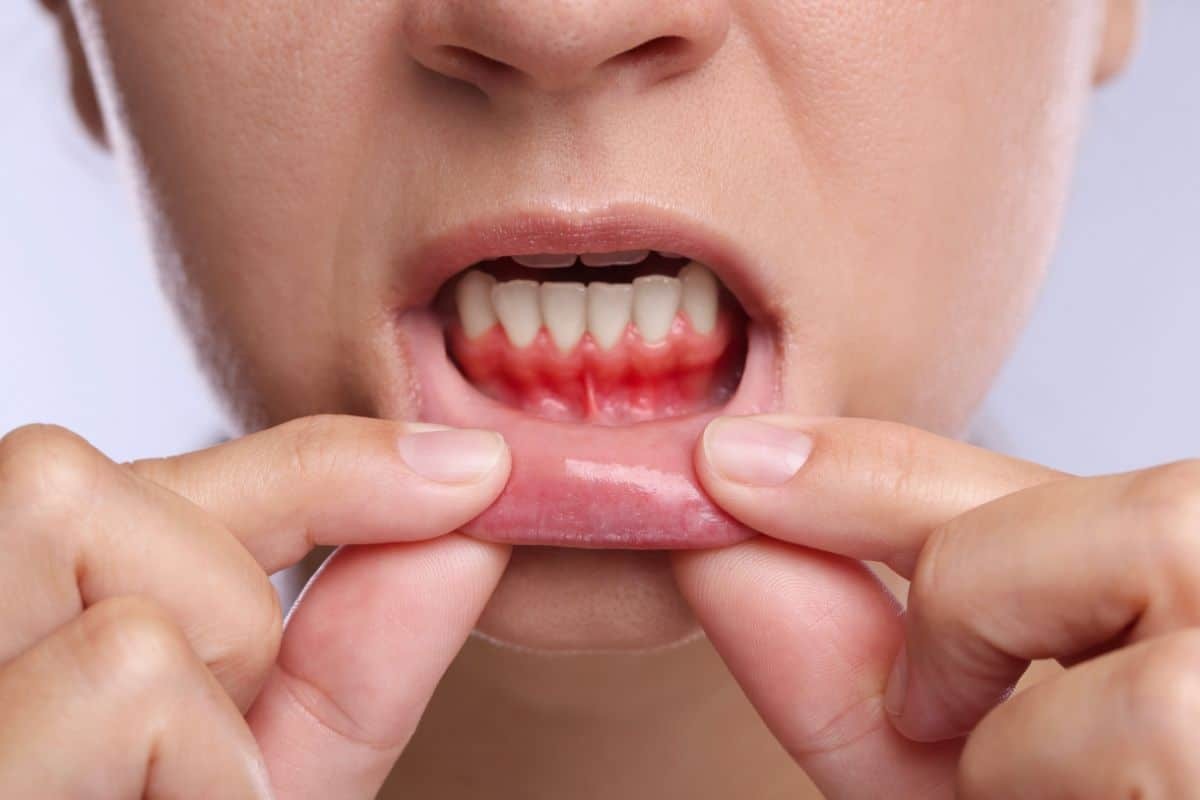
- Swollen or tender gums around one tooth
- A rough edge you can feel with your tongue
- Intermittent tooth pain without an obvious cause
Because these symptoms can resemble cavities, gum disease, or tooth infections, an accurate diagnosis is essential.
Visiting a trusted dentist early gives you the best opportunity to preserve your natural tooth before the damage progresses.
Experiencing tooth pain or sensitivity? Schedule an evaluation today before a small crack becomes a bigger dental problem.
Different Types of Tooth Fractures Dentists Diagnose
Every crack affects the tooth differently. Understanding the type of damage helps determine the most effective treatment.
- Craze Lines
These tiny surface lines affect only the outer enamel. They are extremely common in adults and rarely require treatment unless they affect appearance.
- Cracked Tooth
A crack begins on the chewing surface and extends toward the root. Without treatment, the crack can continue spreading deeper into the tooth.
- Chipped Tooth
A chip removes a portion of the enamel. While small chips may be cosmetic, larger ones can expose the tooth’s sensitive inner layers.
- Split Tooth
When a crack extends completely through the tooth, it may separate into multiple sections. Depending on the severity, only part of the tooth may be saved.
- Vertical Root Fracture
These fractures begin below the gumline and often remain hidden until infection, swelling, or discomfort develops.
How Does a Dentist Fix a Fractured Tooth?
No two tooth fractures are exactly alike. Treatment depends on the size of the crack, its location, and whether the dental pulp has been affected.
- Dental Crowns
A custom-made dental crown completely covers the damaged tooth, restoring its strength while protecting it from further damage. Crowns are often recommended for moderate fractures that cannot be repaired with a filling alone.
- Root Canal Therapy
When a crack reaches the tooth’s nerve, root canal treatment removes the infected tissue while preserving the remaining tooth structure. A crown is usually placed afterward for long-term protection.
- Dental Bonding or Porcelain Veneers
Minor chips or small visible cracks in the front teeth may be repaired with tooth-colored bonding materials or porcelain veneers that blend naturally with the surrounding teeth.
- Tooth Extraction and Tooth Replacement
If the tooth cannot be restored safely, removal may be the healthiest option. Modern restorative dentistry offers predictable replacement solutions, including dental implants, dental bridges, and partial dentures that restore both appearance and chewing function.
Can a Fractured Tooth Repair Itself?
Unlike skin or bone, tooth enamel cannot regenerate once damaged. A fractured tooth will not heal naturally. Without professional treatment, bacteria can enter the inner layers of the tooth, increasing the risk of infection, abscess formation, and eventual tooth loss.
Early diagnosis allows your dentist to recommend the most conservative treatment while preserving as much healthy tooth structure as possible.
Simple Habits That Help Prevent Tooth Fractures
While some accidents are unavoidable, many tooth fractures can be prevented with healthy daily habits.
Protect your smile by:
- Avoiding chewing ice and hard candies
- Never using your teeth as tools
- Wearing a sports mouthguard during athletic activities
- Using a custom nightguard if you grind your teeth
- Scheduling routine dental exams and professional cleanings
- Treating cavities before they weaken the tooth
Preventive dental care remains one of the most effective ways to avoid unexpected dental emergencies and expensive restorative treatment.
Protect Your Natural Smile Before Small Cracks Become Bigger Problems
A damaged tooth rarely improves on its own. What starts as mild sensitivity today can eventually become significant pain, infection, or even tooth loss if left untreated. Receiving prompt care allows your dentist to relieve discomfort, preserve healthy tooth structure, and restore normal function before the damage becomes more extensive.
Whether you’ve recently suffered dental trauma or have noticed ongoing discomfort while chewing, our dental office provides comprehensive evaluations and personalized treatment using modern restorative dentistry techniques.
If you’re searching for a trusted dentist in Roseville, our team is committed to helping you protect your smile with compassionate, high-quality care. Don’t wait for a small crack to become a dental emergency. Schedule your visit with us today and keep your smile healthy for years to come.