Request Appointment
Dental Implants vs. Bridges: Which Is Right for You?

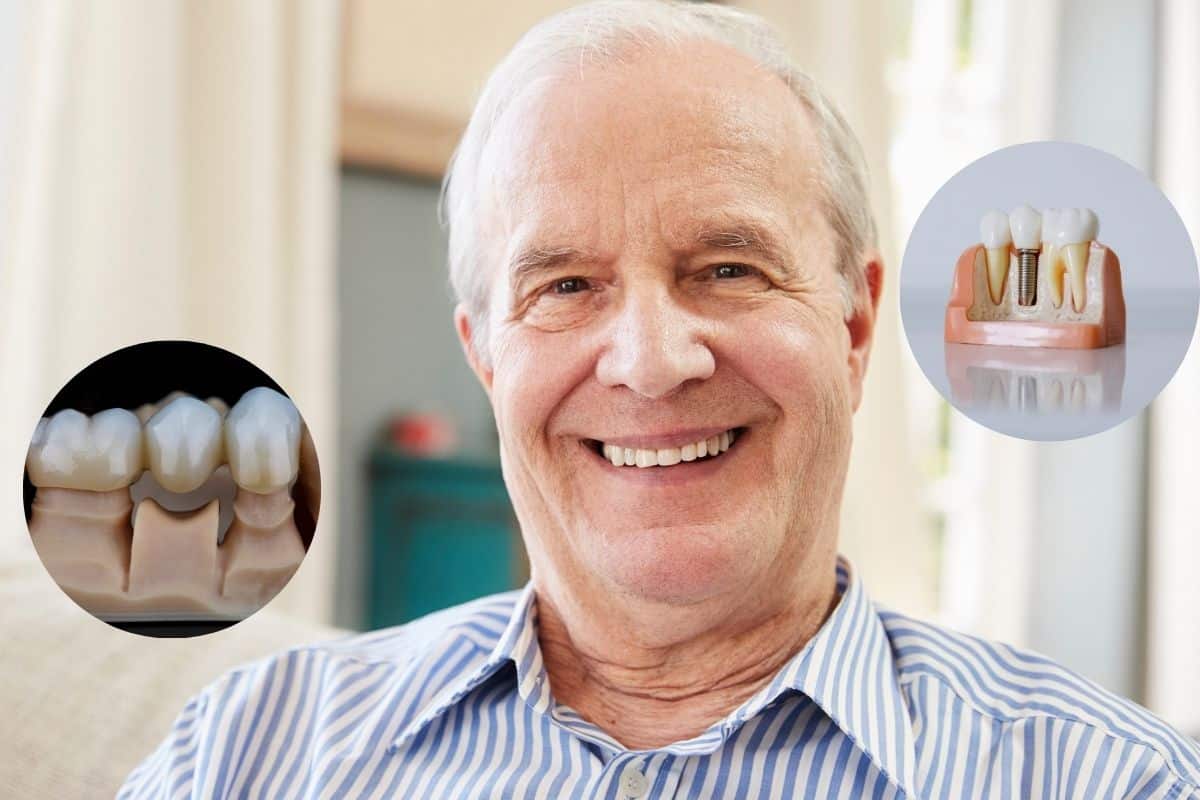
Losing a tooth can feel like a bigger deal than people expect. Beyond the gap in your smile, you start noticing that how you chew feels different, that certain words come out slightly off, or that you catch yourself covering your mouth in photos. What most people don’t realize right away is that a missing tooth also puts your surrounding teeth and jawbone at risk over time. The good news? You have solid options to fix it.
Two of the most common tooth replacement solutions are dental implants and bridges. If you’ve been trying to figure out which one is right for you, you’re not alone. It’s one of the questions our team hears most often. At Arbor View Dental Group, we believe that choosing the right path starts with understanding what each option actually involves, not just what sounds impressive on paper. Both dental implants and dental bridges are commonly used in restorative dentistry to replace missing teeth and restore oral function. However, because they are different treatment options with unique benefits and considerations, there’s no one-size-fits-all answer. The best choice depends on your individual oral health needs, goals, and circumstances.
Let’s walk through both options so you can go into your next dental conversation feeling informed and confident.
What Is a Dental Implant?
A dental implant is a small titanium post that’s surgically placed into your jawbone to act as a replacement tooth root. Once the post fuses with the bone (a process called osseointegration), a custom-made crown is attached on top to look and function just like a natural tooth.
The result is a standalone tooth replacement that doesn’t depend on your neighboring teeth for support.
How the process works:
Getting a dental implant typically happens in stages over several months. Here’s a general breakdown:
- Consultation and imaging: Your dentist takes X-rays or a 3D scan to evaluate your bone density and plan the placement.
- Implant placement: The titanium post is placed into the jawbone under local anesthesia.
- Healing period: Over the next few months, the implant fuses with the bone. Some people need a bone graft first if there isn’t enough jawbone to support the implant.
- Abutment placement: A small connector piece is attached to the implant once healing is complete.
- Crown placement: A custom crown is placed on top to complete the restoration.
Who is a good candidate for implants?
Implants work best for people who have enough bone density to support the post, are in good general health, don’t smoke heavily, and have healthy gums. If significant bone loss has already occurred, a bone graft may be needed first, which adds time and cost but can still make an implant possible.
What Is a Dental Bridge?
A dental bridge is exactly what it sounds like it “bridges” the gap left by a missing tooth by anchoring an artificial tooth (called a pontic) to the teeth on either side of the gap. Those neighboring teeth, called abutment teeth, are shaped down and fitted with crowns that hold the bridge in place.
Unlike implants, a bridge doesn’t require surgery and doesn’t go into the jawbone.
How the process works:
A traditional dental bridge can usually be completed in two appointments:
- Preparation visit: The abutment teeth on either side of the gap are reshaped to make room for the crowns. Impressions are taken and sent to a dental lab.
- Placement visit: The custom bridge is fitted, adjusted, and cemented into place.
It’s worth knowing that shaping the abutment teeth is permanent, healthy tooth structure is removed to make room for the crowns, even if those teeth didn’t have any problems before.
Who is a good candidate for a bridge?
Bridges are a great fit for people who want a faster, surgery-free solution, have strong and healthy teeth on either side of the gap, or have experienced some bone loss that would make implant placement more complicated.
Dental Implants vs. Bridges: A Side-by-Side Look
It helps to see the comparison laid out clearly. Here’s how they stack up across the factors most people care about:
| Factor | Dental Implant | Dental Bridge |
| Procedure type | Surgical | Non-surgical |
| Timeline | Several months | 2–3 weeks |
| Impact on neighboring teeth | None | Requires reshaping |
| Bone preservation | Yes stimulates bone | No bone can gradually shrink |
| Lifespan | 15–25+ years with care | 10–15 years on average |
| Cleaning | Like a natural tooth | Requires flossing underneath |
| Upfront cost | Higher | Lower |
| Long-term value | Often higher | May need replacement sooner |
Neither option is universally better. What matters is which one fits your situation.
How Do You Decide Between the Two?
Here are the key questions to think through when weighing your options:
1. How much time are you willing to invest?
If you need a replacement quickly, say, for an upcoming event, or because you simply don’t want to go through a multi-month process, a bridge offers a much faster solution. Implants require patience. The osseointegration process alone takes anywhere from three to six months.
2. Do you want to avoid surgery?
Some people are not comfortable with surgical procedures, or certain health conditions make surgery less advisable. If this applies to you, a bridge is likely the better path. Your dentist will review your medical history before making any recommendations.
3. Are your neighboring teeth healthy?
This is a big one. If the teeth on either side of your gap are already in need of crowns due to large fillings, cracks, or decay, a bridge can actually serve double duty: replacing the missing tooth while also restoring the neighbors. But if those surrounding teeth are perfectly healthy, you may not want to have them permanently altered just to support a bridge.
4. How concerned are you about long-term bone health?
When a tooth root is gone, the jawbone in that area no longer receives stimulation and gradually shrinks. This is called bone resorption, and it can change the shape of your face over time. An implant replaces the root and keeps that stimulation going. A bridge does not, so some degree of bone loss in the gap area is expected.
5. What does your budget look like right now vs. long term?
Implants cost more upfront, but they tend to last significantly longer. Bridges are more affordable at the time of placement, but they typically need to be replaced within 10–15 years, and the process starts over. Running the numbers over a 20-year window often makes implants the more economical choice, but that doesn’t help if the budget is tight right now.
What Happens at Our Roseville Dental Office?
At our Roseville dental office, our team takes the time to review your full dental and medical history before recommending any treatment. We take detailed imaging, evaluate your bone structure, and look at the condition of your surrounding teeth because what works best for one person’s mouth may not be ideal for another’s. Our goal is to give you a clear picture of your options so you can make a decision that feels right for you, not just the one that’s easiest to schedule.
If there are complicating factors like bone loss, gum disease that needs to be treated first, or general health concerns, we’ll talk through those with you directly. Nothing is rushed, and nothing is assumed.
A Few Things People Often Wonder About
Can a bridge be replaced with an implant later?
In many cases, yes, though the process is more involved. The bridge would need to be removed, and depending on the extent of bone loss in the gap, a bone graft might be needed before an implant can be placed. It’s possible, but simpler if implants are considered from the start.
Does getting an implant hurt?
The placement is done under local anesthesia, so you won’t feel pain during the procedure. There’s usually some soreness and swelling in the days following surgery, which most people manage comfortably with over-the-counter pain relief. The healing period itself is generally not painful for most patients.
How do I clean a dental bridge?
Normal brushing covers the crowns, but because there’s an artificial tooth resting on your gum rather than rooted in the bone, you need to clean underneath it too. Your dentist will show you how to use a floss threader or interdental brush to keep that area clean and prevent buildup.
Will either option look natural?
Both implants and bridges are custom-made to match the size, shape, and color of your surrounding teeth. When done well, most people can’t tell the difference between a natural tooth, and neither can you when you look in the mirror.
Choosing the Right Tooth Replacement Option
If you’re comparing dental implants and bridges, you’re already ahead of most people because too many people put off replacing a missing tooth altogether, which only makes things more complicated down the line. Whether you go the implant route or choose a bridge, both are genuine solutions that can restore your bite, your confidence, and your oral health. The right answer depends on your timeline, your bone health, the condition of your neighboring teeth, and what makes sense for your life right now.
The best way to know for sure? A conversation with your dentist.
Rebuild Your Smile With the Right Fit – Right Here in Roseville
Your smile deserves a solution that actually works for your life, not just a generic recommendation. At Arbor View Dental Group, we’re committed to helping every patient find a tooth replacement option that fits their needs, their health, and their goals. Whether you’re leaning toward an implant, a bridge, or you just want to talk through your options without pressure, our team is here for you.
Our approach to restorative dentistry is straightforward: we listen first, then we plan together. We take pride in offering personalized care that goes beyond just filling a gap. We’re focused on your long-term dental health and quality of life. Request an appointment today, and let’s find the path that’s right for your smile.