
Request Appointment
How Does Nutrition Impact Your Oral Health?

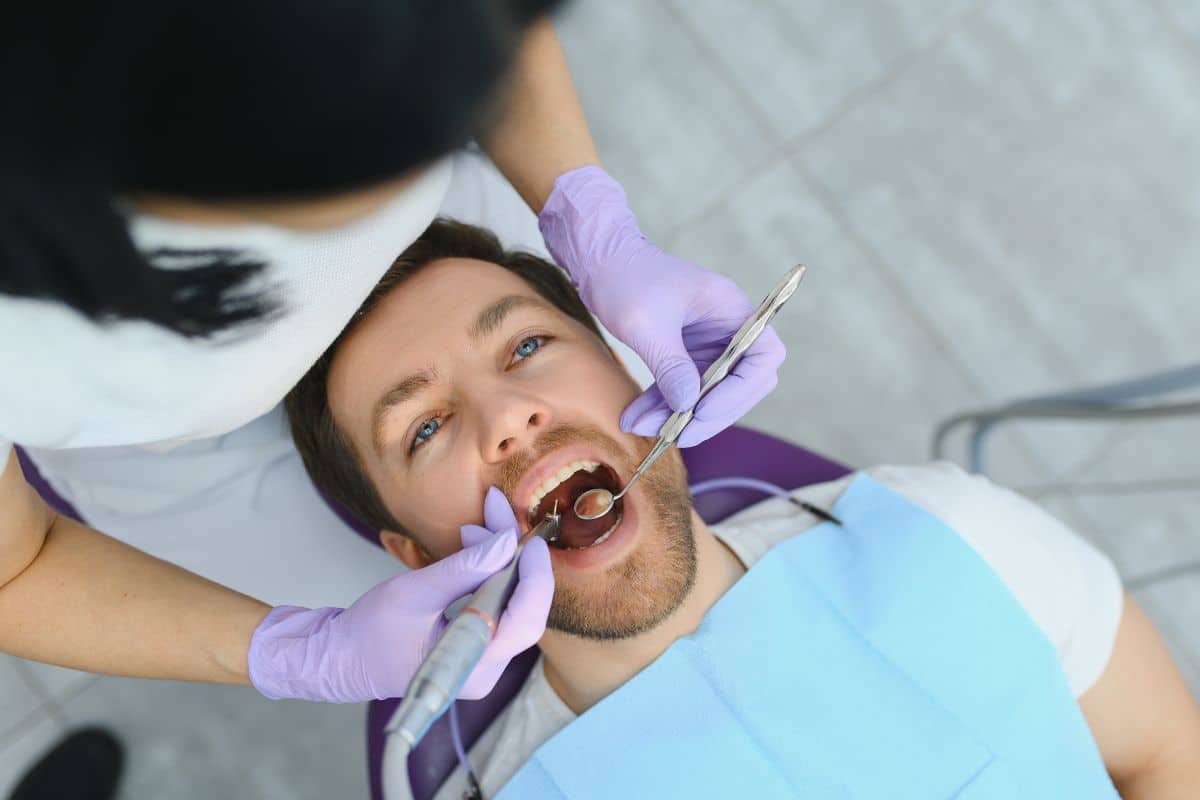
Have you ever wondered why your dentist always asks about your diet at every check-up? It’s not just small talk. What you eat and drink every day plays a much bigger role in your oral health than most people realize. From the strength of your enamel to how quickly your gums heal, nutrition touches nearly every part of your mouth. The good news is that a few thoughtful changes to your daily meals can make a real difference. Whether you’re trying to prevent cavities or simply want fresher breath, a trusted dental care provider can help you understand exactly what your smile needs. Let’s take a closer look at how the food on your plate connects to the health of your teeth and gums.
The Link Between What You Eat and Your Smile
Your mouth is often the first place where the effects of your diet show up. Every time you eat or drink, the bacteria in your mouth react to the sugars and starches left behind, producing acids that can wear down enamel over time. On the other hand, foods rich in vitamins and minerals help rebuild and protect your teeth.
Saliva also plays a role here. A balanced diet supports healthy saliva production, which naturally washes away food particles and neutralizes acid. When your diet is out of balance, saliva flow can slow down, leaving your teeth more vulnerable to decay.
Foods That Strengthen Your Teeth and Gums
Some foods actively work in your favor when it comes to oral health. Adding more of these to your routine can help keep your smile strong:
- Dairy products like milk, cheese, and yogurt are rich in calcium and phosphorus, which help rebuild tooth enamel.
- Leafy greens such as spinach and kale are packed with vitamins and minerals that support healthy gums.
- Crunchy fruits and vegetables like apples, carrots, and celery help scrub away plaque and stimulate saliva flow.
- Nuts and seeds provide protein and minerals while being naturally low in sugar.
- Fatty fish such as salmon offer vitamin D, which helps your body absorb calcium more effectively.
Foods and Drinks That Can Harm Your Oral Health
Just as some foods support your smile, others can quietly work against it. Frequent exposure to certain foods and beverages can wear down enamel and increase the risk of cavities over time.
Sugary and Acidic Culprits to Watch
- Sugary snacks and candy, especially sticky varieties that cling to teeth.
- Sodas and sports drinks, which combine sugar with high acidity.
- Citrus fruits and juices, which are healthy in moderation but can soften enamel if consumed too often.
- Starchy snacks like chips and crackers, which break down into sugars that linger on teeth.
This doesn’t mean you need to cut these foods out completely. Moderation, along with rinsing your mouth with water afterward, can go a long way in reducing their impact.
How Nutrient Deficiencies Show Up in Your Mouth
Sometimes, oral health issues are early signs of a nutritional gap. Bleeding or swollen gums can point to low vitamin C levels, while weak or brittle teeth may signal a lack of calcium or vitamin D. Slow-healing sores or frequent mouth ulcers can also be linked to a deficiency in B vitamins or iron.
If you notice these signs, it’s worth mentioning them at your next visit. A dentist can often spot patterns that connect back to diet and offer guidance on what might be missing from your meals.
At Arbor View Dental Group, we believe oral health is closely connected to overall wellness. For patients in Roseville and surrounding communities, we take the time to understand how daily habits, including nutrition, may affect long-term dental health. Our goal is to make every visit informative and provide practical, easy-to-follow guidance you can use in your everyday life.
Simple Nutrition Tips for Better Oral Health
Making small, consistent changes is often more effective than an all-or-nothing approach. Here are a few practical habits to consider:
- Drink plenty of water throughout the day, especially after meals.
- Limit snacking between meals to reduce constant acid exposure.
- Choose whole fruits over fruit juices when possible.
- Pair sugary treats with a meal rather than eating them alone, since saliva production increases during meals.
- Wait about 30 minutes after eating acidic foods before brushing, since enamel is temporarily softened right after exposure.
When to Talk to Your Dentist About Diet-Related Oral Issues
While good nutrition supports oral health, it isn’t a substitute for regular dental visits. It’s a good idea to schedule a visit to your local dental care provider for a checkup and personalized dietary advice for your oral health if you notice any of the following:
- Gums that bleed easily or appear swollen.
- Teeth that feel unusually sensitive to hot or cold.
- Frequent cavities despite regular brushing and flossing.
- Mouth sores that don’t heal within a couple of weeks.
These signs don’t always mean something serious, but they’re worth having checked out sooner rather than later.
Get a Healthier Smile Through Better Nutrition
Nutrition and oral health go hand in hand, and understanding that connection is one of the simplest ways to protect your smile for years to come. Small, consistent choices in what you eat can make a lasting difference in the strength of your teeth and the health of your gums. If you want personalized guidance on how your diet is affecting your oral health, our team is here to help. Request an appointment today, and let’s work together on building healthier habits, one meal at a time.
Frequently Asked Questions
1. Can poor nutrition really cause cavities?
Yes. Diets high in sugar and starch feed the bacteria that produce cavity-causing acid. Over time, this can wear down enamel and lead to decay, even with regular brushing.
2. What vitamins are most important for healthy teeth and gums?
Calcium, vitamin D, phosphorus, and vitamin C all play key roles in maintaining strong enamel and healthy gum tissue.
3. Are natural sugars, like those in fruit, just as harmful as processed sugar?
Natural sugars can still feed bacteria in your mouth, but whole fruits also contain fiber and water that help offset some of the impact, unlike processed sugary snacks.
4. How quickly can diet changes improve oral health?
Some improvements, like reduced gum inflammation, can appear within a few weeks of consistent healthier eating, though enamel strength builds more gradually over time.
5. Should I change my diet if I already have good oral hygiene habits?
Brushing and flossing are essential, but they don’t fully offset the effects of a diet high in sugar or acid. Combining good hygiene with mindful eating offers the best long-term protection.