Request Appointment
A Roseville Dentist’s Guide to the Dangers of Teeth Grinding

Have you ever woken up with a sore jaw, a headache, or sensitive teeth and wondered what caused it? You may be grinding or clenching your teeth while you sleep without even realizing it. Teeth grinding, also known as bruxism, is more common than many people think. While it may seem harmless at first, it can gradually wear down your teeth, strain your jaw muscles, and affect your overall oral health. Recognizing the warning signs early can help you avoid long-term dental problems and protect your smile.
At Arbor View Dental Group, we often meet patients who are surprised to learn that their headaches, jaw discomfort, or worn teeth are linked to teeth grinding. In some cases, ongoing bruxism can also place extra stress on the jaw joints, leading to symptoms that may benefit from TMJ treatment. Many people don’t notice the habit because it frequently happens during sleep, making regular dental exams an important part of identifying the problem before it leads to more extensive damage.
Ignoring teeth grinding doesn’t make it go away. Over time, the constant pressure placed on your teeth and jaw can lead to cracked teeth, damaged dental restorations, gum problems, and even disorders affecting the jaw joint. Understanding why teeth grinding happens and knowing when to seek professional care can help you protect your natural teeth and maintain a healthier smile.
What Is Teeth Grinding?
Teeth grinding, or bruxism, is the repeated clenching, grinding, or gnashing of your teeth. Some people grind their teeth during the day, often when they’re concentrating or feeling stressed, while others experience it almost exclusively during sleep.
Sleep bruxism is especially difficult to recognize because you’re usually unaware that it’s happening. In many cases, a partner hears the grinding sounds before the person experiencing the condition notices any symptoms.
Although occasional grinding may not cause significant damage, frequent or severe bruxism can gradually affect your teeth, gums, jaw muscles, and temporomandibular joints (TMJ).
What Causes Teeth Grinding?
There isn’t a single cause of teeth grinding. Instead, several factors may contribute to the condition, and in some cases, multiple causes occur together.
Stress and Anxiety
Stress is one of the most common triggers for bruxism. During periods of emotional stress, your body may respond by tightening the jaw muscles, especially while you sleep.
Sleep Disorders
People with sleep disorders, such as sleep apnea, may be more likely to grind their teeth during the night. Sleep interruptions can increase muscle activity, including involuntary jaw clenching.
Bite Problems
If your teeth don’t come together properly when you bite, your jaw muscles may work harder to compensate. Over time, this additional strain can contribute to teeth grinding.
Missing or Damaged Teeth
Missing teeth or changes in your bite caused by worn or damaged teeth may also place extra stress on your jaw, increasing the likelihood of grinding.
Certain Lifestyle Habits
Consuming excessive caffeine late in the day, drinking alcohol before bed, smoking, or using tobacco products may increase nighttime teeth grinding in some individuals.
Certain Medications
Some medications may list teeth grinding as a possible side effect. If you’ve recently started a new medication and notice symptoms of bruxism, it’s worth discussing your concerns with your healthcare provider and dentist.
Signs and Symptoms You Shouldn’t Ignore
Many people don’t realize they’re grinding their teeth until noticeable symptoms begin to appear. Since the damage often develops gradually, paying attention to early warning signs is important.
Common symptoms include:
- Jaw pain or stiffness after waking up
- Frequent morning headaches
- Tooth sensitivity
- Worn, flattened, or chipped teeth
- Clicking or popping sounds in the jaw
- Ear discomfort without an ear infection
- Tight facial muscles
- Pain while chewing
- Interrupted sleep
- Increased tooth mobility in severe cases
Even if these symptoms seem minor, they can indicate that excessive pressure is being placed on your teeth every night.
Why Teeth Grinding Can Become a Serious Problem?
Teeth are incredibly strong, but they aren’t designed to withstand constant grinding forces night after night.
Over time, untreated bruxism can lead to:
Excessive Tooth Wear
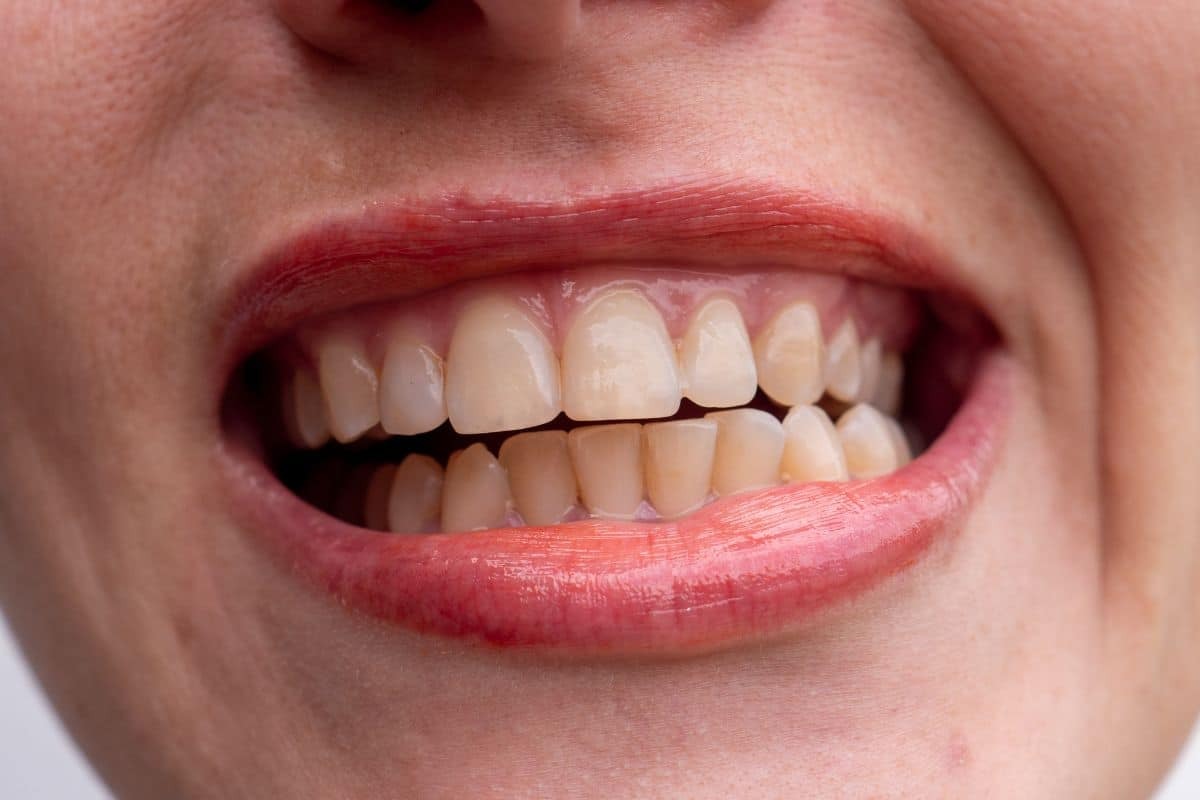
Grinding gradually wears away the protective enamel that covers your teeth. Once enamel is lost, it cannot grow back naturally, leaving teeth more vulnerable to sensitivity and decay.
Cracked or Broken Teeth
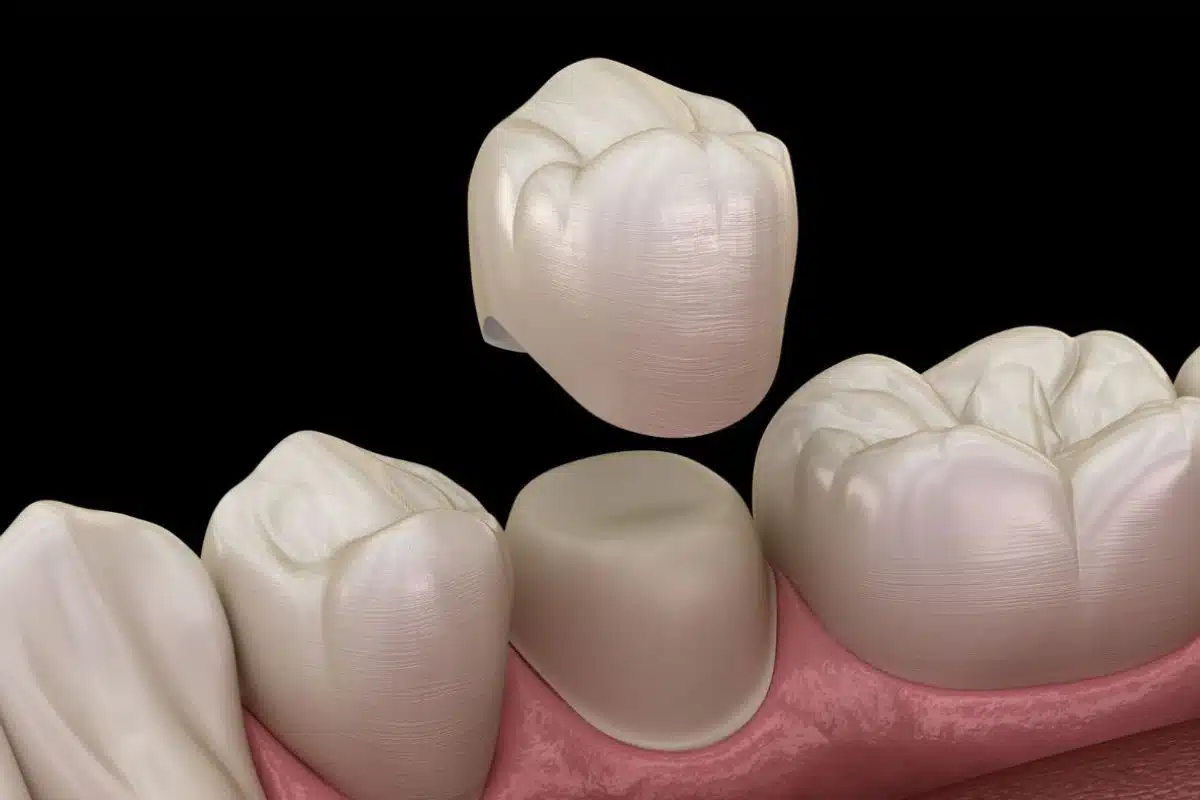
Constant pressure can weaken teeth, increasing the risk of fractures or chips that may require fillings, crowns, or other restorative treatment.
Gum Recession
The excessive forces created by grinding may place additional stress on the supporting tissues around your teeth, contributing to gum recession in some patients.
Damage to Existing Dental Work
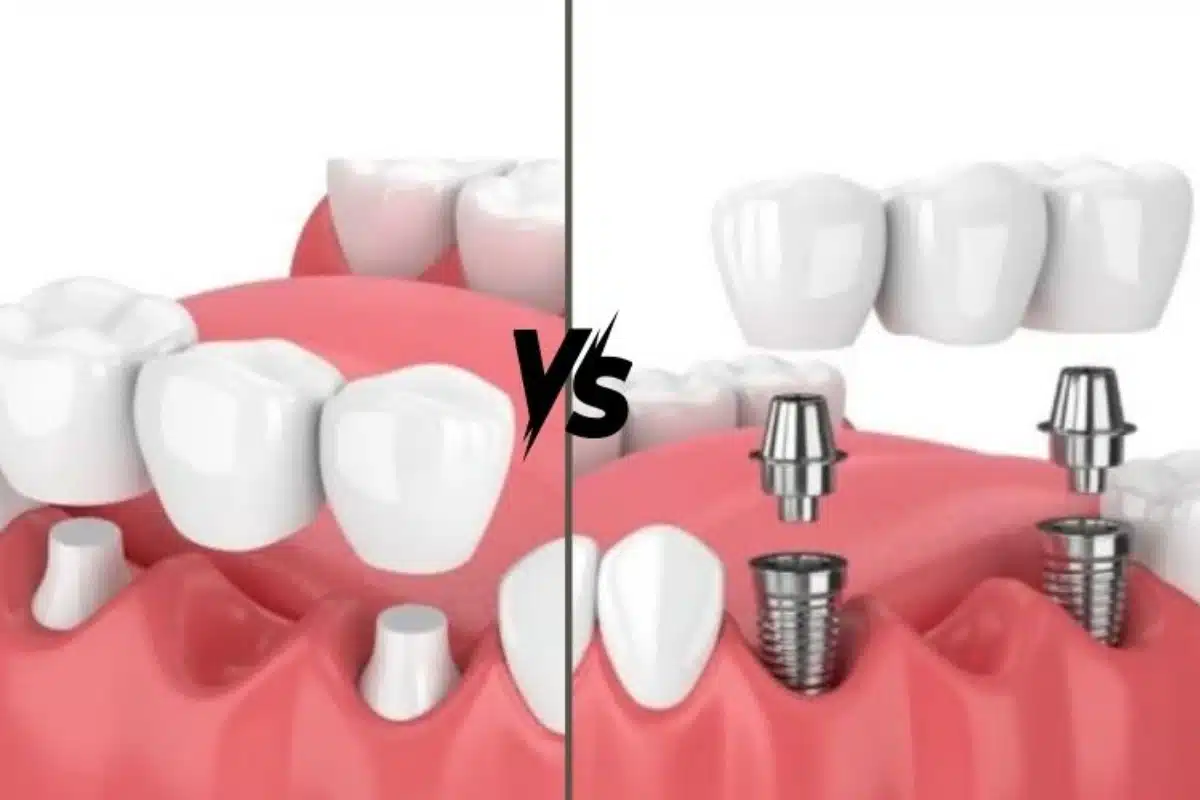
If you have crowns, veneers, fillings, or dental implants, persistent grinding may shorten their lifespan by placing excessive pressure on these restorations.
Jaw Joint Problems
Teeth grinding doesn’t only affect your teeth; it can also strain your temporomandibular joints (TMJ). Over time, this may lead to jaw pain, limited movement, or clicking and popping when opening your mouth.
Because many of these problems develop slowly, regular dental visits play an important role in identifying early signs before more significant damage occurs.
How do dentists diagnose teeth grinding?
Since many people aren’t aware that they grind their teeth, dentists often identify bruxism during routine dental examinations.
Your dentist may look for:
- Flattened or worn chewing surfaces
- Small cracks in the enamel
- Tooth sensitivity
- Signs of gum recession
- Jaw muscle tenderness
- Bite irregularities
- Wear on existing dental restorations
If necessary, additional imaging or a more detailed evaluation may be recommended to assess the health of your teeth, jaw joints, and surrounding structures.
Early diagnosis allows treatment to begin before significant damage occurs, helping preserve your natural smile and reduce future dental complications.
Treatment Options for Teeth Grinding
The right treatment for teeth grinding depends on what’s causing the problem and how much damage has already occurred. In many cases, a combination of treatments provides the best results.
Custom Night Guards
A custom night guard is one of the most common ways to protect your teeth from the effects of grinding. Unlike over-the-counter options, a custom-made appliance is designed to fit your smile comfortably while helping reduce the pressure placed on your teeth during sleep.
Although a night guard won’t necessarily stop you from grinding your teeth, it can help prevent further damage to your enamel and dental restorations.
Stress Management
Since stress is a common trigger for bruxism, finding healthy ways to relax may help reduce nighttime grinding. Activities such as regular exercise, meditation, deep breathing, or maintaining a consistent bedtime routine can support better sleep and reduce muscle tension.
Correcting Bite Problems
If an uneven bite is contributing to teeth grinding, your dentist may recommend treatments to improve how your teeth come together. Depending on your needs, this could involve reshaping a small area of a tooth, replacing worn restorations, or discussing orthodontic treatment.
Restoring Damaged Teeth
If grinding has already caused chipped, cracked, or worn teeth, restorative dental treatments may be recommended to rebuild your smile and protect your remaining tooth structure.
Your dentist will recommend a treatment plan based on your symptoms, oral health, and long-term goals.
Can Teeth Grinding Be Prevented?
Not every case of bruxism can be prevented, but healthy habits may help reduce your risk and minimize its effects.
Consider these simple tips:
- Limit caffeine and alcohol, especially in the evening.
- Create a relaxing bedtime routine.
- Practice stress-reducing activities throughout the day.
- Avoid chewing on ice, pens, or other hard objects.
- Pay attention to jaw tension during the day and consciously relax your muscles.
- Visit your dentist regularly so that early signs of grinding can be identified before significant damage occurs.
Consistency is key. Even small lifestyle changes can make a positive difference over time.
Protect Your Smile Before Teeth Grinding Causes More Damage
Ignoring the signs of teeth grinding can allow minor problems to become more serious. At our dental practice, we help patients identify the underlying cause of bruxism and recommend personalized solutions to protect their teeth, jaw, and overall oral health.
If you’ve noticed worn teeth, jaw soreness, morning headaches, or increased tooth sensitivity. Early care can make a significant difference in preserving your smile.
When Should You Schedule a Dental Visit?
You don’t have to wait until teeth grinding causes severe pain or visible damage before seeking care.
It’s a good idea to schedule a dental evaluation if you:
- Wake up with jaw pain or headaches regularly.
- Notice your teeth becoming flatter or shorter.
- Experience tooth sensitivity without an obvious cause.
- Hear clicking or popping when moving your jaw.
- Have a partner who notices you grinding your teeth while sleeping.
- Frequently clench your jaw during the day.
Early evaluation allows your dentist to identify the problem, recommend appropriate treatment, and help prevent further damage to your teeth and jaw.
Protect Your Smile from Teeth Grinding with Us
Teeth grinding may seem like a minor habit, but over time it can lead to worn enamel, cracked teeth, jaw discomfort, and other oral health concerns. The good news is that recognizing the symptoms early and seeking professional care can help prevent long-term damage and keep your smile healthy.
We’re committed to helping patients protect their smiles through comprehensive evaluations, personalized treatment plans, and preventive dental care. Whether you’re experiencing jaw pain, morning headaches, or signs of worn teeth, our team is here to provide the guidance and care you need.
Request an appointment for a personalized evaluation tailored to your oral health needs, and learn how we can help protect your smile from the effects of teeth grinding.