Request Appointment
Oral Hygiene Tips: General Dentistry Recommendations for Daily Care


Welcome to our blog, where we’re diving into the world of oral hygiene and revealing some simple yet powerful tips that will transform your dental care routine! Whether you’re a toothbrush enthusiast or someone who strives for healthier teeth, this post is here to provide you with expert recommendations straight from the realm of general dentistry. So get ready to flash those pearly whites and let’s embark on a journey towards improved oral health together!
Oral Hygiene
Your oral hygiene routine is important for keeping your mouth healthy and preventing cavities, gum disease, and bad breath. General Dentistry provides trips for daily care.
Here are some general dentistry recommendations from dentists for daily care:
Brush your teeth twice a day with a soft-bristled toothbrush and fluoride toothpaste.
Floss daily to remove plaque from between your teeth and under your gum line.
Rinse with an antibacterial mouthwash once a day.
Eat a balanced diet and limit sugary snacks and drinks.
Visit your dentist regularly for professional cleanings and checkups.
Benefits of Good Oral Hygiene
There are many benefits to practising good oral hygiene, including:
fresher breath
less cavities and gum disease
whiter teeth
healthier overall mouth and throat
Good oral hygiene starts with brushing your teeth at least twice a day, using fluoride toothpaste. Flossing once a day is also important in order to remove plaque and food particles from between your teeth. In addition, regular visits to the dentist for professional cleanings and checkups can help keep your mouth healthy and catch any problems early on.
The Basics of Brushing & Flossing
When it comes to oral hygiene, brushing and flossing are the two most important things you can do for your teeth and gums. Here are the basics of how to brush and floss properly:
Brushing:
- Use a soft-bristled toothbrush and toothpaste that contains fluoride.
- Angle the toothbrush towards the gum line and use gentle circular motions.
- Be sure to brush on the inside surfaces of your teeth and to use a light back-and-forth motion on the chewing surfaces of your molars.
- Spit out the toothpaste after brushing, but don’t rinse your mouth with water as this will wash away the fluoride that is protecting your teeth.
Flossing:
- Wind 18 inches of floss around the middle fingers, leaving an inch or two of floss between them.
- Grip the floss tightly between your thumbs and index fingers.
- Guide the floss gently up and down between each tooth.
- Use a fresh section of floss for each tooth, wrapping any used floss around one of your middle fingers when you move on.
- When you’re finished, throw away the used floss
Oral Hygiene Practices such as Tongue Scraping and Oil Pulling
The American Dental Association (ADA) recommends tongue scraping and oil pulling as two additional oral hygiene practices that can help remove bacteria and improve overall oral health.
Tongue scraping involves using a tool to gently scrape the surface of the tongue, which can help remove bacteria and other debris. Oil pulling is an ancient Indian practice that involves swishing oil around in the mouth for several minutes before spitting it out. This helps to remove toxins from the body and has been shown to improve oral health.
Choosing the Right Toothbrush and Toothpaste
When it comes to choosing the right toothbrush and toothpaste, the best thing you can do is consult with your dentist. They will be able to recommend products that are best for your individual needs. In general, however, there are a few things to keep in mind.
Toothbrushes should have soft bristles and a comfortable handle. You should also look for one that is the right size for your mouth. Toothpaste should contain fluoride, which helps to prevent cavities. It is also important to choose a flavour that you enjoy so that you are more likely to use it regularly.
If you have any questions about oral hygiene products, be sure to ask your dentist during your next appointment. They will be happy to help you find the products that are right for you.
Foods that Promote Oral Health
A healthy diet is important for maintaining good oral health. Foods that are rich in vitamins and minerals help to keep teeth and gums healthy.
Here are some specific foods that promote oral health:
1. Dairy products – milk, cheese, and yoghurt – contain calcium, which helps to build strong teeth and bones.
2. Green leafy vegetables – such as spinach and kale – are high in folic acid, which helps to prevent gum disease.
3. Citrus fruits – such as oranges and lemons – contain vitamin C, which helps to fight off infections in the mouth.
4. Apples and pears are a good source of fibre, which helps to clean the teeth and gums.
5. Brazil nuts, almonds, and other nuts contain Selenium, which helps to protect against gum disease.
Regular Checkups with the Dentist
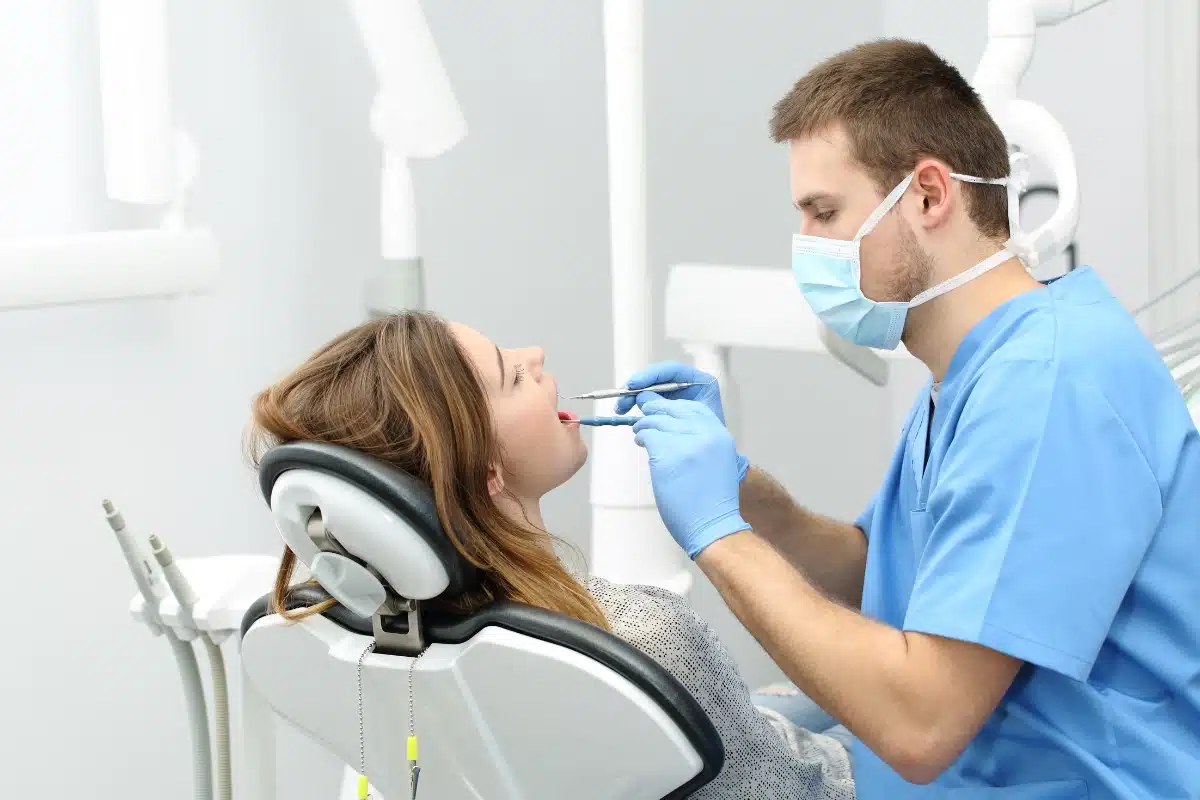
It’s important to visit the dentist regularly for checkups and cleanings. During a checkup, the dentist will examine your teeth and gums for any signs of problems. They will also clean your teeth and remove any plaque or tartar buildup.
Cleaning is important because it helps to remove any built-up plaque or tartar on your teeth. Plaque is a sticky film of bacteria that can cause tooth decay and gum disease if not removed. Tartar is a hard deposit of plaque that has been left on the teeth for too long.
The frequency of your dental visits will depend on your individual needs. If you have good oral hygiene, you may only need to visit the dentist once or twice a year. However, if you have poor oral hygiene, you may need to visit more often.
With these general dentistry tips, you should now have a better understanding of how to care for your teeth and gums. Remember that oral hygiene is an important part of overall health and well-being, so make sure to brush twice daily with fluoride toothpaste and floss at least once a day. Regular dental checkups are also essential in order to keep your teeth healthy and looking their best – make sure you’re scheduling regular appointments with your dentist!