
Request Appointment
5 Signs You Shouldn’t Ignore a Cavity

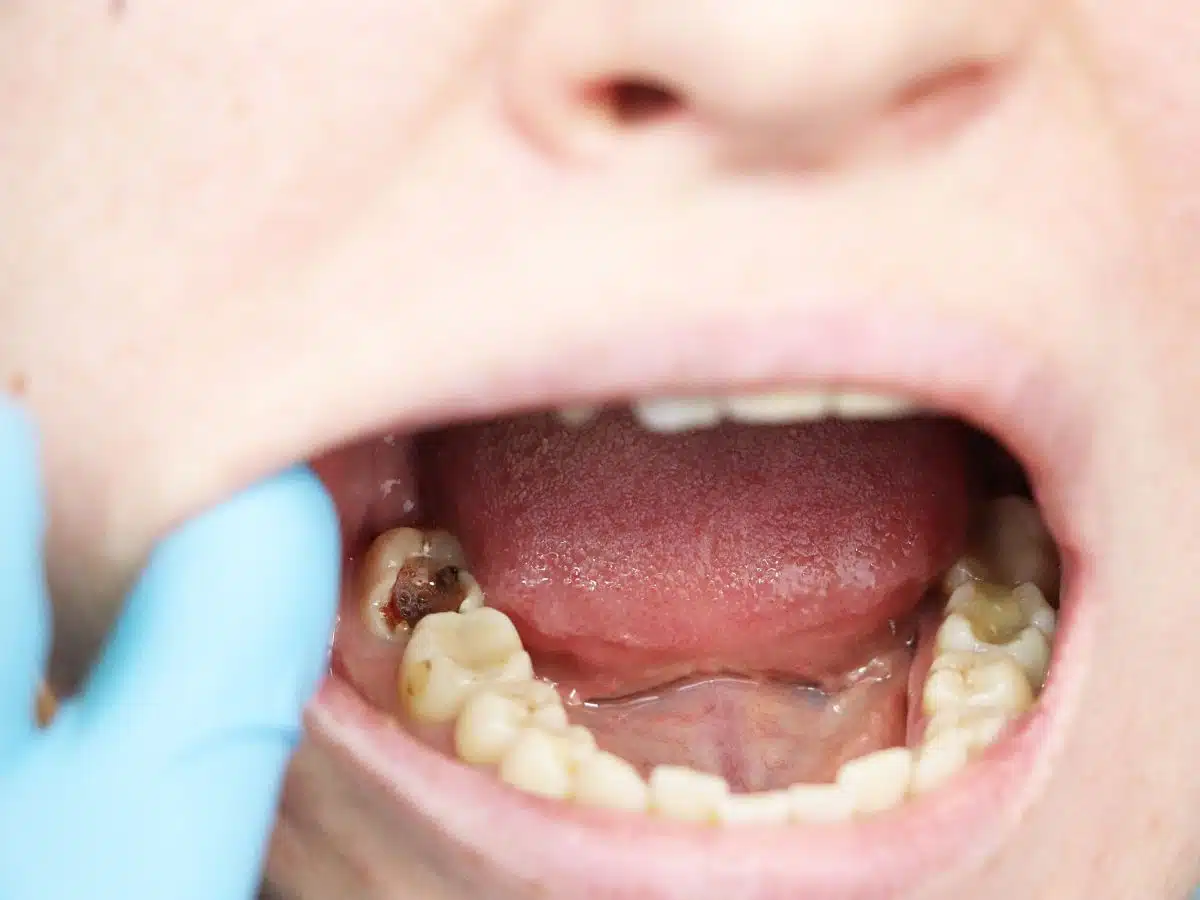
Cavities are among the most common dental issues, yet they often go unnoticed until the damage is done. While a small cavity may initially seem harmless, neglecting early symptoms can lead to more serious dental problems like infections, abscesses, and tooth loss.
Why Early Cavity Detection Matters?
Catching a cavity in its early stages can save you time, money, and discomfort. Many assume they can wait until the pain becomes unbearable, but the decay may have already reached the tooth’s nerve by then. Early detection allows simpler treatments like fillings instead of more extensive procedures such as root canals or extractions.
Here are five signs that you shouldn’t ignore if you think you may have a cavity:
1. Tooth Sensitivity
Do you experience discomfort when eating hot, cold, or sweet foods? This could be one of the earliest signs of tooth decay. Sensitivity happens when enamel wears away, exposing the softer dentin layer beneath. The exposed dentin has small tubules that lead directly to the nerve of your tooth, causing that sharp, zinging pain.
This sensitivity may start mildly but often worsens over time. If you’re wincing whenever you sip your morning coffee or bite into ice cream, it’s time to take action.
2. Persistent Toothache
Toothaches that don’t go away—or come and go regularly—are another significant sign of a cavity. While the pain may be dull or sharp, it usually means decay has progressed beyond the enamel and is starting to affect the inner layers of your tooth.
A toothache isn’t just a minor inconvenience—it’s your body’s way of telling you something is wrong. Ignoring it may allow the cavity to deepen, possibly requiring a root canal or even extraction.
3. Visible Holes or Pits
If you notice a visible hole or pit in your tooth, this is a sign that decay has already eroded part of your enamel. These cavities can appear as dark spots or small craters and may be felt with your tongue.
Even if the hole doesn’t hurt, getting it checked out is essential. A cavity at this stage can usually be treated with a simple filling, but only if caught early.
4. Bad Breath or Unpleasant Taste
Despite good oral hygiene, chronic bad breath or a bitter taste in your mouth might indicate an underlying cavity. Decaying food particles and bacteria trapped in cavities can produce foul odors.
Not only is this socially uncomfortable, but it also signals that your tooth may be in trouble. A professional evaluation by a dentist in Roseville CA, can help identify and treat the source before it becomes a bigger issue.
5. Discoloration or Staining on Teeth
Dark spots, white patches, or other unusual discoloration on a tooth could point to early or advancing decay. While not all stains are cavities, a sudden change in the color of a specific tooth should never be ignored.
Cavities can start as white spots (due to enamel demineralization) and then turn brown or black as decay progresses. Catching this early gives your dentist more treatment options and helps preserve your natural tooth structure.
Don’t Wait—Take Action Today
Cavities won’t heal on their own. Waiting too long to seek care can turn a minor issue into a painful one. At Arbor View Dental Group, we’re committed to helping you maintain oral health with personalized, compassionate care.
Request an appointment today and let our experienced dental team help you address cavities before they lead to more serious problems. Your smile deserves the best care—don’t delay!