Request Appointment
Can Cosmetic Dentistry Make Uneven Teeth Look More Symmetrical?

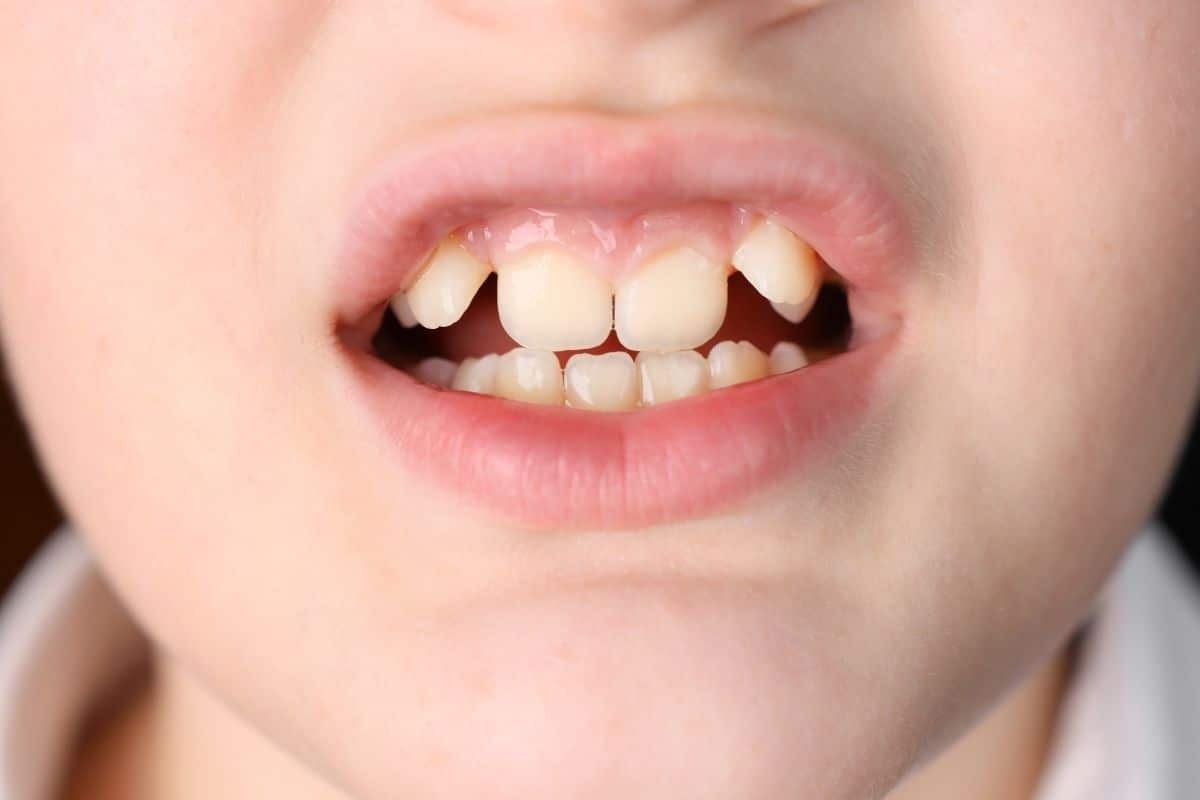
Have you ever looked closely at your teeth and noticed that one seems slightly longer, shorter, wider, or differently shaped than the others? Small differences like these are common, but they can sometimes make your teeth appear less balanced. If you are unhappy with the way uneven teeth look, you may wonder whether cosmetic dentistry can help create a more symmetrical appearance.
The good news is that, depending on what is causing the unevenness, a cosmetic dentistry procedure may be able to change the shape, size, or appearance of certain teeth. However, the right approach depends on whether the concern involves tooth shape, spacing, alignment, wear, or another dental issue. Understanding the available options can help you know what to expect before considering treatment.
Why Do Teeth Look Uneven or Asymmetrical?
Teeth can look uneven for several different reasons. Sometimes, the difference is simply part of a person’s natural tooth shape. Not every tooth develops with exactly the same size or proportions, so slight differences between neighboring teeth are normal.
Other times, unevenness can develop because of:
- Chipped or broken tooth edges
- Teeth that are naturally different in size or shape
- Normal wear from years of chewing
- Uneven spacing between teeth
- Crowding or teeth that sit at different angles
- Previous dental work
- Changes caused by grinding or clenching
Identifying the reason behind the uneven appearance is important because cosmetic treatment may work well for changes in tooth shape but may not address problems involving tooth position or the bite.
Can Cosmetic Dentistry Make Uneven Teeth Look More Symmetrical?
Yes, cosmetic dentistry can sometimes make uneven teeth appear more symmetrical. The goal is not necessarily to make every tooth identical. Instead, treatment can be used to create more consistent proportions between neighboring teeth while keeping the result looking natural.
For example, a dentist may be able to adjust a slightly short tooth so that it better matches the length of the teeth beside it. A small chip can also be repaired to restore a more even edge. In other situations, a treatment may change the visible shape of several teeth, so they look more balanced together.
However, cosmetic dentistry does not automatically correct every type of unevenness. If the teeth are uneven because they are significantly crowded, rotated, or positioned incorrectly, orthodontic treatment may be more appropriate.
Cosmetic Dentistry Options for Uneven Teeth
Different treatments can address different types of uneven teeth. A dentist will typically consider the condition of your teeth and the amount of change needed before recommending an option.
Dental Bonding
Dental bonding can be useful when a tooth has a small chip, irregular edge, or slightly different shape. During the procedure, a tooth-colored material is placed on the tooth and shaped to improve its appearance.
One advantage of bonding is that it can often make relatively small changes without extensive alteration to the natural tooth. It may be considered when only a minor adjustment is needed.
Bonding can also be repaired or replaced if it becomes damaged over time. However, it may not be the best choice for larger changes or teeth that experience significant biting pressure.
Dental Veneers
Dental veneers are thin coverings placed over the visible front surface of teeth. They can change the apparent shape, size, and proportions of teeth, which may help when unevenness is more noticeable.
For example, veneers may be considered when several front teeth have differences in shape or size that make the smile look unbalanced. They can provide a more consistent appearance across multiple teeth.
Veneers are not right for everyone, though. Your teeth and gums need to be healthy, and a dentist should determine whether veneers are appropriate before treatment begins.
Tooth Contouring and Reshaping
Sometimes, uneven tooth edges can be improved through careful tooth reshaping. This involves removing a very small amount of enamel to alter the contour or length of a tooth.
This approach may be suitable for minor differences, such as one tooth edge being slightly longer than another. Because enamel does not grow back, reshaping should only be performed when a dentist determines that there is enough healthy enamel and that the adjustment is appropriate.
Orthodontic Treatment
Not all uneven teeth need a cosmetic solution. If the teeth appear uneven because they are crowded, rotated, or sitting at different positions, orthodontic treatment may be a better option.
Braces and clear aligners can gradually move teeth into better positions. This is different from bonding, veneers, or reshaping, which primarily change how teeth look rather than moving them.
In some cases, improving tooth position can provide a more balanced appearance while also addressing spacing or bite concerns.
How Does a Dentist Decide Which Option Is Right?
Choosing a treatment should involve more than simply looking at whether one tooth appears longer or shorter. A dentist may examine the teeth, gums, spacing, alignment, bite, and overall dental health.
They may also consider how much change is actually needed. If the difference is very small, a conservative option may be enough. If several teeth are involved, a different approach may provide a more consistent result.
The goal should be to improve the appearance without creating an unnatural look. Your teeth should still fit together comfortably, and any cosmetic changes should take your existing tooth structure into consideration.
Can Cosmetic Dentistry Fix All Types of Uneven Teeth?
Cosmetic dentistry cannot correct every cause of uneven teeth. If the problem is related to significant crowding, a bite problem, extensive tooth damage, or another underlying dental concern, additional treatment may be necessary.
For instance, adding material to a tooth that is severely out of position may not solve the actual problem. Similarly, reshaping a tooth that has become uneven because of excessive wear may not address why the wear is happening.
That is why an evaluation is important before choosing a cosmetic procedure. Treating the underlying issue first may provide a healthier and more suitable result.
What Should You Consider Before Treatment?
Before deciding on cosmetic treatment, consider what you actually want to change. Do you dislike the length of one tooth, the shape of several teeth, or the way your teeth line up?
It is also important to consider:
- The current health of your teeth and gums
- How much tooth structure may need to be changed
- Whether the treatment is reversible
- How long the result may last
- What maintenance may be needed
- Whether the treatment addresses appearance, function, or both
Having realistic expectations can also help. The goal is usually to create a balanced appearance rather than make every tooth look exactly the same.
When Should You Talk to a Dentist About Uneven Teeth?
If your teeth have always looked slightly different from one another, the unevenness may simply be a natural characteristic. However, a new change in the shape or position of a tooth deserves attention.
Consider talking with a dentist if you notice:
- A tooth becoming shorter or worn down
- New chips or cracks
- Changes in how your teeth come together
- Tooth sensitivity or discomfort
- Increasing spaces between teeth
- A tooth becoming noticeably out of alignment
- Concerns about the appearance of your front teeth
A dental evaluation can help determine whether the change is cosmetic or related to another dental concern.
Get a More Balanced Smile With Arbor View Dental Group
At our dental office, patients in Roseville, CA, can discuss concerns about uneven tooth shape, size, spacing, or appearance and learn which options may be appropriate for their individual needs. If you are looking for a cosmetic dentist to evaluate uneven teeth and explain whether cosmetic treatment could create a more balanced appearance, a dental consultation can help you understand your choices before deciding on treatment. Book an appointment to discuss your concerns and learn more about your options.