Request Appointment
How to Make Your New Smile Last: Essential Tips After Cosmetic Dental Treatment


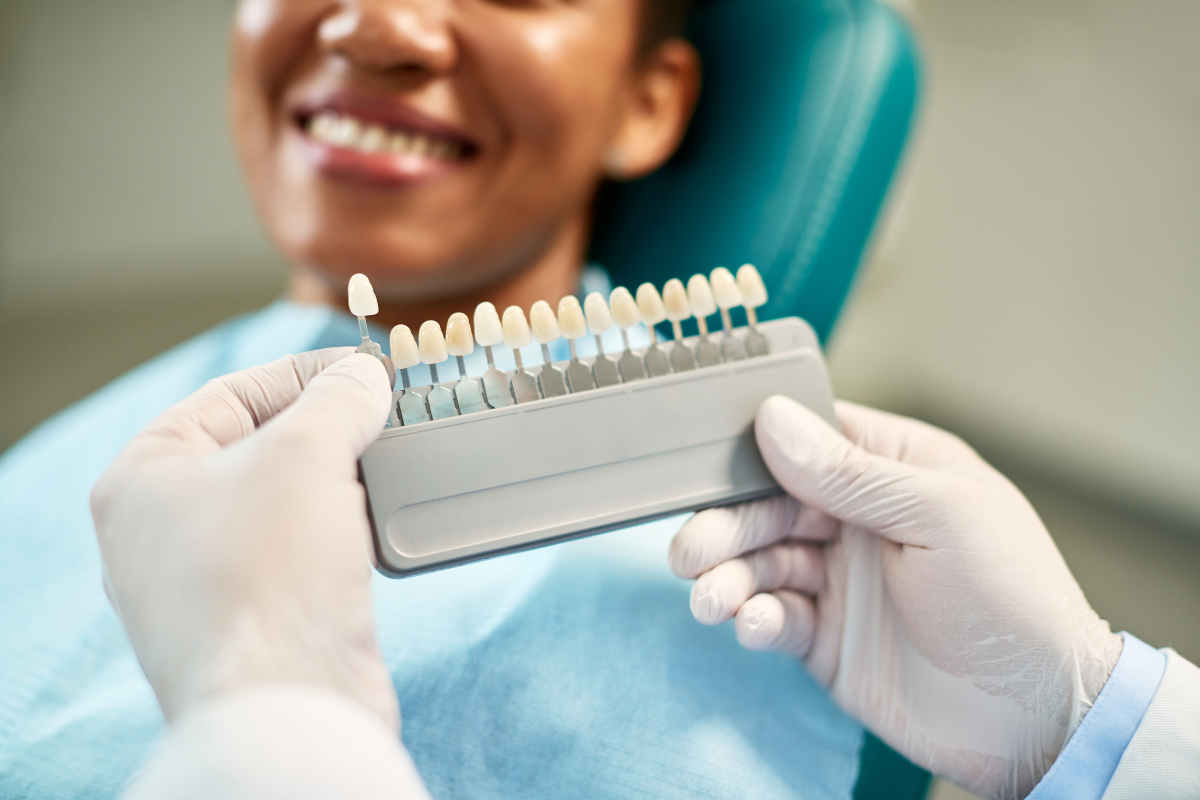
A brighter smile can make you feel more confident in photos, at work, and during everyday conversations. After investing time and care in improving your teeth, you want those results to last—not fade because of habits you could have changed.
If you are considering Cosmetic Dentistry Roseville, or have recently completed a cosmetic dental procedure, maintaining your results should be part of your treatment plan from day one. The right daily habits, professional dental care, and a few simple lifestyle changes can help protect your smile for years.
Whether you have teeth whitening, dental veneers, bonding, or another cosmetic procedure, understanding how to care for your teeth can help preserve their appearance and protect your long-term oral health.
Why Maintaining Your Cosmetic Dental Results Matters
Cosmetic dentistry can improve the color, shape, size, and overall appearance of your teeth. However, cosmetic treatments do not make teeth immune to stains, decay, gum disease, or everyday wear.
Your results may change over time if you neglect oral hygiene, frequently consume staining foods and drinks, or put too much pressure on your teeth. Some materials may also wear down or discolor as they age.
Maintaining your results is about more than keeping your smile attractive. Healthy gums, strong natural teeth, and well-maintained dental restorations help support both appearance and function.
The good news is that you do not need a complicated routine. Consistent care and regular dental checkups can make a meaningful difference.
7 Ways to Protect Your Cosmetic Dental Results
- Brush Twice Daily With the Right Toothbrush
Brushing removes plaque and food particles that can contribute to tooth decay, gum inflammation, and staining.
Use a soft-bristled toothbrush and fluoride toothpaste at least twice a day. Brush gently along the gumline and clean every tooth surface without scrubbing too hard. Excessive pressure can contribute to gum recession and wear on exposed tooth surfaces.
If you have veneers, bonding, crowns, or other restorations, gentle brushing is especially important for protecting the surrounding natural teeth and gums.
An electric toothbrush may help you clean more consistently, but proper technique matters more than the type of toothbrush you use.
- Floss Every Day to Protect Your Gums
A beautiful smile depends on healthy gums as well as attractive teeth. Plaque can collect between teeth and around the edges of dental restorations, where a toothbrush may not reach effectively.
Clean between your teeth daily with dental floss or an appropriate interdental cleaner. Take care around veneers, bonding, and crowns, and ask your dentist to demonstrate the best technique if you are unsure.
Healthy gums help preserve the appearance of your smile. Gum recession can expose tooth roots or change how the edges of restorations look.
- Limit Foods and Drinks That Cause Staining
Coffee, tea, red wine, dark-colored sauces, and certain other foods and drinks can stain natural teeth and some cosmetic materials.
You do not necessarily need to give up your favorite drinks. Instead, consider these practical habits:
- Drink water regularly throughout the day.
- Rinse your mouth with water after consuming staining foods or beverages.
- Avoid sipping staining drinks over long periods.
- Maintain consistent brushing and flossing habits.
- Ask your dentist which whitening products are safe for your specific restorations.
Porcelain veneers and crowns resist many stains, but the natural teeth around them may still discolor. Composite bonding can also stain over time. This can create differences in color across your smile.
Remember that whitening treatments generally do not change the color of existing veneers, crowns, or bonding.
- Avoid Habits That Can Chip or Damage Your Teeth
Cosmetic restorations are designed for normal chewing, but they can still chip, crack, or loosen under excessive pressure.
Avoid chewing ice, biting hard candy, opening packages with your teeth, or biting pens and fingernails. These habits can damage both natural teeth and dental restorations.
If you grind or clench your teeth, particularly during sleep, speak with your dentist about whether a custom night guard may help protect your smile.
Do not ignore a restoration that feels loose, rough, or uneven. Early evaluation may help prevent further damage.
- Schedule Regular Dental Checkups
Even if your smile looks healthy, routine dental visits remain important after cosmetic treatment.
During an examination, your dentist can check your gums, natural teeth, restorations, bite, and overall oral health. Professional cleanings also help remove plaque and buildup that daily brushing may miss.
Your recommended visit schedule will depend on your oral health, treatment history, and risk of dental problems. Some patients may need more frequent monitoring than others.
Regular checkups also provide an opportunity to discuss minor changes before they become more noticeable or require more extensive treatment.
- Follow the Care Instructions for Your Specific Treatment
Different cosmetic procedures require different maintenance strategies. Understanding the type of treatment you received helps you protect your results more effectively.
After teeth whitening: Follow your dentist’s instructions, avoid excessive use of whitening products, and maintain good oral hygiene. Temporary sensitivity can occur, so discuss persistent discomfort with your dentist.
After dental veneers: Brush gently, floss daily, avoid biting hard objects, and discuss a night guard if you grind your teeth.
After dental bonding: Avoid habits that place excessive pressure on bonded areas. Composite resin can chip or stain, so periodic polishing or repair may be needed.
After crowns or other restorations: Keep the surrounding gumline clean and report changes in your bite, discomfort, or looseness.
If you are unsure which products or cleaning methods are appropriate, ask your dental team for guidance rather than experimenting with abrasive products or unapproved whitening treatments.
- Choose Lifestyle Habits That Support a Healthy Smile
Everyday choices can affect how long your cosmetic results remain attractive.
Smoking and tobacco use can stain natural teeth, irritate the gums, and increase the risk of oral health problems. Limiting frequent sugary snacks and acidic drinks can also help protect natural tooth structure.
Drink water throughout the day, eat a balanced diet, and address dental sensitivity or discomfort promptly.
Most importantly, avoid assuming that cosmetic treatment replaces preventive care. Healthy natural teeth provide the foundation for a lasting smile.
How Long Do Cosmetic Dental Results Last?
The lifespan of your results depends on the procedure, the materials used, your oral health, and your daily habits.
Here are general estimates for common treatments:
| Cosmetic treatment | Typical lifespan or duration |
| Professional teeth whitening | Several months to a few years, depending on habits and maintenance |
| Composite dental bonding | Often around 3–10 years, depending on the location and condition |
| Porcelain veneers | Often around 10–15 years or longer with appropriate care |
| Dental crowns | Commonly around 5–15 years or longer, depending on the material and care |
These ranges are estimates, not guarantees. Teeth whitening may need periodic touch-ups, while veneers, bonding, and crowns may eventually require repair or replacement.
Your dentist can explain the expected maintenance for your specific treatment and identify habits that may shorten its lifespan.
Personalized Cosmetic Dental Care in Roseville
Maintaining a beautiful smile starts with a plan that fits your needs. Your dentist should consider the type of cosmetic treatment you received, your gum health, your bite, and any habits that may affect your results.
At Arbor View Dental Group, patients can discuss cosmetic dental goals and explore appropriate treatment options based on their individual needs. A consultation can also help you understand how to maintain existing results and when professional touch-ups or repairs may be appropriate.
Whether you live in Roseville or a nearby community in Placer County, regular dental care can help you protect your investment and address concerns before they progress.
If you notice new stains, chipped restorations, gum changes, or sensitivity, arrange an examination rather than trying to correct the problem yourself.
Protect Your Smile With a Personalized Care Plan
Your cosmetic dental results deserve consistent care. A few daily habits, regular professional cleanings, and timely attention to small problems can help you maintain a healthy, attractive smile.
If you want advice tailored to your treatment, contact your dental team to discuss your concerns and long-term maintenance options. Schedule a consultation to learn how cosmetic dentistry can support your smile goals and how to keep your results looking their best.
With the right care plan, you can enjoy your smile with greater confidence while protecting the natural teeth and gums that support it.
Frequently Asked Questions
- How can I make my cosmetic dental treatment last longer?
Brush twice daily with fluoride toothpaste, floss daily, limit staining habits, avoid chewing hard objects, and attend regular dental checkups. Follow the care instructions specific to your procedure.
- Can I whiten my teeth after getting veneers or crowns?
Whitening products generally do not change the color of porcelain veneers, crowns, or composite restorations. Ask your dentist to assess your smile before whitening so the natural teeth and restorations remain as consistent as possible.
- How often should I visit the dentist after cosmetic treatment?
Your schedule depends on your oral health, treatment type, and risk factors. Many patients benefit from checkups every six months, while others may need more frequent visits.
- Can dental bonding become stained or chipped?
Yes. Composite bonding can stain, chip, or wear over time. Avoid biting hard objects and maintain good oral hygiene. Your dentist may recommend polishing, repair, or replacement when needed.
- Do veneers require special cleaning products?
Most patients can care for veneers with a soft-bristled toothbrush, fluoride toothpaste, and daily flossing. Avoid abrasive products unless your dentist recommends them, and ask about any special instructions for your restorations.
- What should I do if my cosmetic dental work becomes damaged?
Contact your dentist for an evaluation. Depending on the damage, the restoration may be repaired or replaced. Do not attempt to glue a loose restoration back into place yourself.
- Does smoking affect cosmetic dental results?
Yes. Tobacco use can stain natural teeth, affect gum health, and increase the risk of oral disease. Avoiding tobacco supports both the appearance of your smile and your overall oral health.
- When should I contact a cosmetic dentist about changes in my smile?
Arrange an examination if you notice persistent sensitivity, gum recession, new stains, chips, loose restorations, or changes in your bite. Prompt assessment can help identify the cause and determine the right next step.
Medical Disclaimer – This article is for educational purposes only and does not replace professional dental advice, diagnosis, or treatment. Cosmetic treatment results and maintenance needs vary by patient. Consult a licensed dentist for recommendations based on your individual oral health.