Request Appointment
How Long Do Dental Veneers Last? What Patients Should Know

A confident smile can change how you feel in photos, during conversations, and in everyday life. But if you are considering veneers, one question probably comes to mind: How long will they last, and will the investment be worth it?
With proper care, dental veneers can last for many years. Their lifespan depends on the material, your oral hygiene habits, your bite, and the care you receive from your dentist. If you are researching Dental Veneers Roseville, understanding these factors can help you make an informed decision and protect your smile for the long term.
Before choosing treatment, it is important to know what affects veneer durability, which habits may cause damage, and how to recognize when your veneers need attention.
How Long Do Dental Veneers Usually Last?
Dental veneers are thin coverings placed on the front surfaces of teeth to improve their appearance. They can help address stains, chips, small gaps, and certain shape or alignment concerns. However, veneers do not last forever, and their expected lifespan varies by material and individual circumstances.
Here is a general guide to how long different types may last:
| Veneer type | Typical lifespan |
| Porcelain veneers | About 10–15 years, sometimes longer |
| Composite resin veneers | About 5–7 years, sometimes longer with maintenance |
These figures are general estimates, not guarantees. Research has found that porcelain veneers can remain successful for many years, but outcomes depend on factors such as tooth preparation, bonding quality, bite forces, and ongoing maintenance.
Porcelain is known for its stain resistance and natural-looking appearance. Composite resin veneers may require more frequent polishing, repairs, or replacement. Your dentist can explain which option best fits your teeth, goals, and oral health.
Why Veneer Lifespan Matters More Than You Think
Veneers are designed to improve your smile, but their long-term value depends on more than appearance. You also need to consider maintenance, possible repairs, and what happens when a veneer reaches the end of its useful life.
For many patients, veneer treatment involves removing a small amount of enamel. Because this change may be irreversible, replacing a veneer is not always as simple as removing the old one and returning to the original tooth.
Understanding the expected lifespan before treatment helps you plan for future dental visits and make a decision that suits your long-term needs.
It also helps set realistic expectations. Veneers can improve the appearance of your teeth, but they cannot prevent cavities, gum disease, or damage caused by grinding and other habits.
What Can Cause Dental Veneers to Wear Out Early?
Even well-made veneers can become damaged if they experience excessive pressure or do not receive proper care. Knowing the common risks can help you protect your results.
- Teeth Grinding and Clenching
Grinding or clenching your teeth, especially during sleep, can place extra pressure on veneers. Over time, this may cause cracks, chips, or bonding problems.
If you grind your teeth, ask your dentist whether a custom night guard could help protect your veneers and natural teeth.
- Biting Hard Foods or Objects
Using your front teeth to bite ice, hard candy, pens, fingernails, or other hard objects can damage a veneer. Although porcelain is durable, it is not indestructible.
Cutting hard foods into smaller pieces and avoiding habits that put unnecessary pressure on your teeth can reduce the risk of damage.
- Poor Oral Hygiene
Veneers themselves do not develop cavities, but the natural teeth beneath and around them can. Plaque buildup can also contribute to gum inflammation and recession, potentially affecting the appearance and fit of your veneers.
Brush twice daily with fluoride toothpaste, clean between your teeth every day, and attend regular dental checkups.
- Gum Recession and Changes in Oral Health
As gums recede, the edges of veneers may become more visible. Changes in the surrounding teeth and gums can affect the overall appearance of your smile, even when the veneer itself remains intact.
Routine dental visits help your dentist monitor your gums, check the veneer margins, and identify problems early.
- Problems With Bonding or Bite Alignment
Veneers depend on proper bonding and a suitable bite. If a veneer becomes loose, feels uneven, or repeatedly chips, your dentist may need to assess the bonding, bite forces, or underlying tooth condition.
Prompt evaluation can help prevent further damage.
How to Help Your Veneers Last Longer
The good news is that daily habits and routine dental care can help extend the life of your veneers. A few simple steps can protect your smile and reduce the chance of unexpected repairs.
- Brush gently twice a day. Use a soft-bristled toothbrush and fluoride toothpaste to protect your natural teeth and gums.
- Floss every day. Clean between your teeth to remove plaque and support healthy gums around your veneers.
- Avoid using your teeth as tools. Do not bite fingernails, open packages, or chew hard objects.
- Wear a night guard if recommended. A custom guard can help reduce damage caused by nighttime grinding.
- Keep regular dental appointments. Your dentist can check the veneers, bonding, bite, and gum health during routine examinations.
- Limit habits that stain natural teeth. Porcelain resists stains, but the surrounding teeth and composite materials may discolor over time.
If you notice a crack, a loose veneer, a rough edge, or a sudden change in your bite, contact your dentist. Do not try to glue a veneer back into place yourself.
When Is It Time to Replace Dental Veneers?
Veneers do not always need replacement simply because they have been in place for a certain number of years. Your dentist will consider their condition, function, and effect on your oral health.
You may need an evaluation if you notice:
- Chips, cracks, or visible wear
- A veneer that feels loose or has detached
- Dark lines near the edges
- Changes in your gum line
- Discomfort when biting or chewing
- Decay or damage affecting the underlying tooth
Some problems can be repaired, while others may require replacement. If a veneer comes off, keep it in a clean container and arrange a dental visit. Avoid wearing it again unless your dentist advises you to do so.
Choosing Dental Veneers in Roseville: What to Expect
The best way to estimate how long your veneers may last is to start with an examination. Your dentist can assess your enamel, gum health, bite, existing restorations, and cosmetic goals before recommending treatment.
At Arbor View Dental Group, patients can explore veneer treatment as part of the practice’s cosmetic dentistry services. The team provides personalized treatment planning based on each patient’s dental condition and desired results.
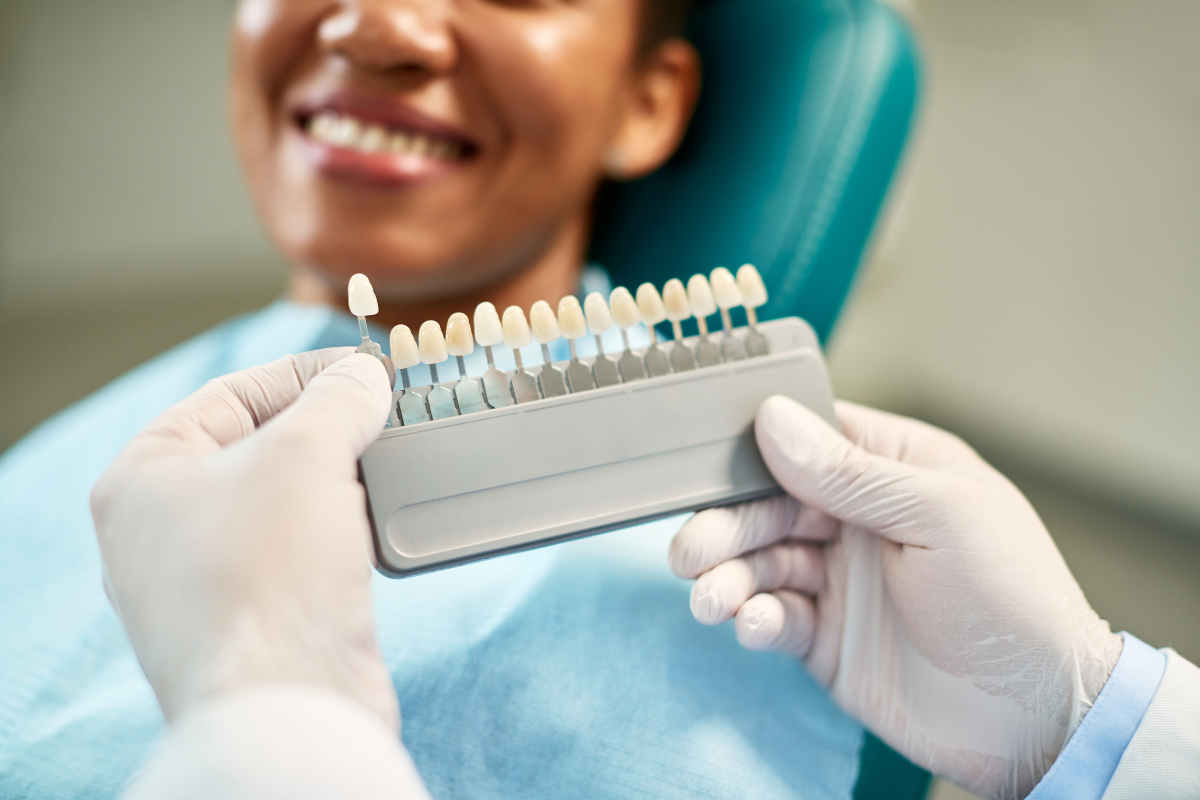
A consultation should help you understand the available materials, how much tooth preparation may be needed, the expected maintenance, and the possible alternatives. Depending on your needs, options such as professional teeth whitening or dental bonding may also be worth discussing.
If you live in Roseville or nearby communities in Placer County, consider scheduling an evaluation before deciding whether veneers are right for you. A personalized plan can help you understand both the immediate benefits and the long-term responsibilities of treatment.
Ready to Explore Your Veneer Options?
You deserve to feel comfortable with your smile and confident in your dental decisions. If you are considering veneers, do not wait until a small cosmetic concern becomes a larger issue or assume that every patient needs the same treatment.
Contact Arbor View Dental Group to discuss your goals, ask questions about veneer longevity, and learn which options may suit your needs. Schedule a consultation today to take the next step toward a smile you can maintain for years to come.
Frequently Asked Questions About Dental Veneers
- Do porcelain veneers last longer than composite veneers?
Generally, yes. Porcelain veneers often last around 10–15 years or longer, while composite veneers commonly last around 5–7 years. Individual results vary based on care, bite forces, and material quality.
- Can dental veneers last 20 years?
Yes, some porcelain veneers can last 20 years or more with appropriate care. However, this is not guaranteed, and regular dental evaluations are important for monitoring their condition.
- Do veneers need to be replaced if they become stained?
Not always. Porcelain is highly stain-resistant, while composite resin may discolor over time. Your dentist can assess whether polishing, repair, or replacement is appropriate.
- Can I brush and floss normally with veneers?
Yes. Brush twice daily with a soft-bristled toothbrush and fluoride toothpaste, and floss daily. Good oral hygiene helps protect the natural teeth and gums supporting your veneers.
- What happens when a dental veneer breaks?
Contact your dentist for an evaluation. Depending on the damage, the veneer may be repairable or may need replacement. Avoid attempting to repair it with household glue.
- Are dental veneers permanent?
Veneers are considered a long-term treatment, and traditional porcelain veneers often require some enamel removal. This means the procedure is generally irreversible, even though the veneers themselves eventually need replacement.
- Can I get veneers if I grind my teeth?
Possibly, but grinding increases the risk of cracks, chips, and bonding failure. Your dentist should evaluate the cause and severity of the grinding and may recommend a night guard or another treatment before proceeding.
- How do I know if veneers are right for me?
A dental examination can determine whether your teeth and gums are healthy enough for treatment. Your dentist can also discuss alternatives, expected maintenance, and the long-term commitment involved.
Medical Disclaimer – This article is intended for general educational purposes only and does not replace professional dental advice, diagnosis, or treatment. Veneer lifespan and treatment suitability vary by patient. Consult a licensed dentist for recommendations based on your individual oral health.